- Water Management
- Knowledge
Next Generation: Cities competing to become the World’s Most Sustainable
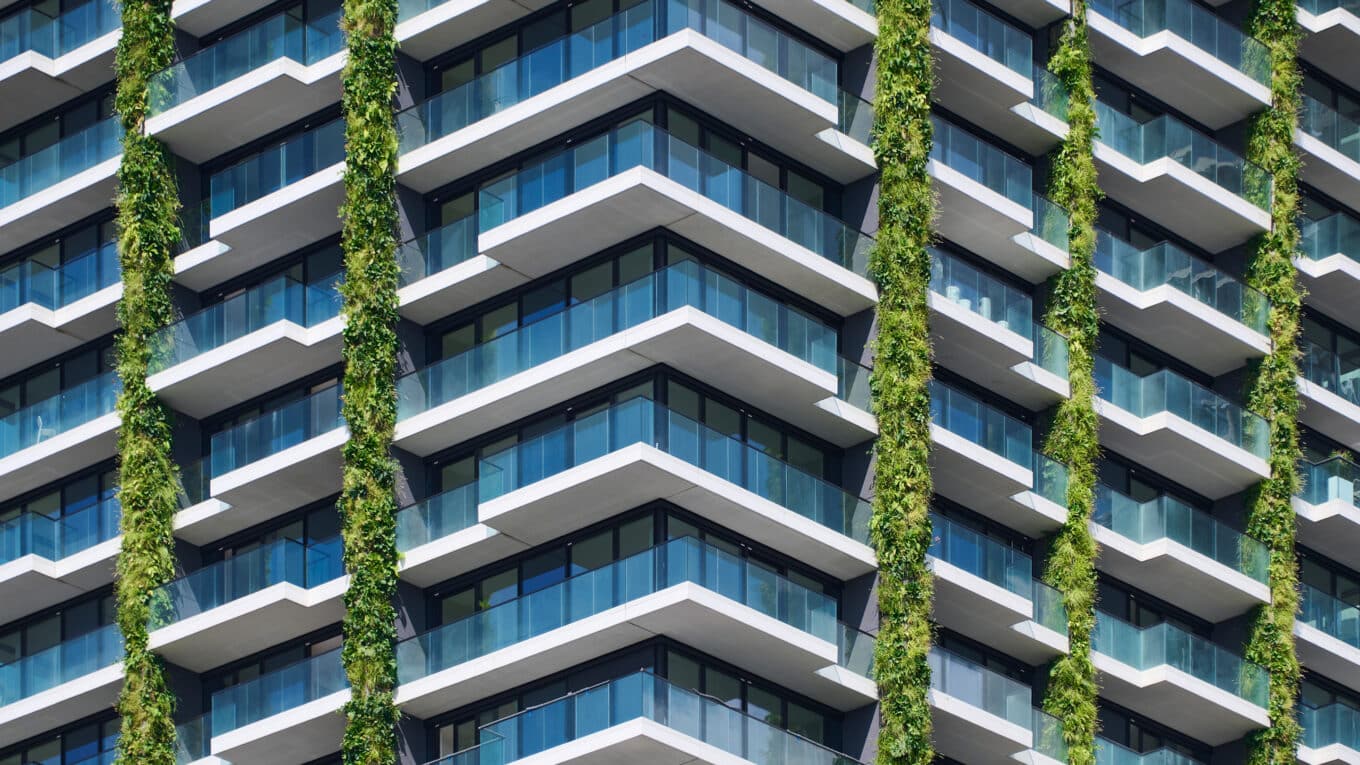
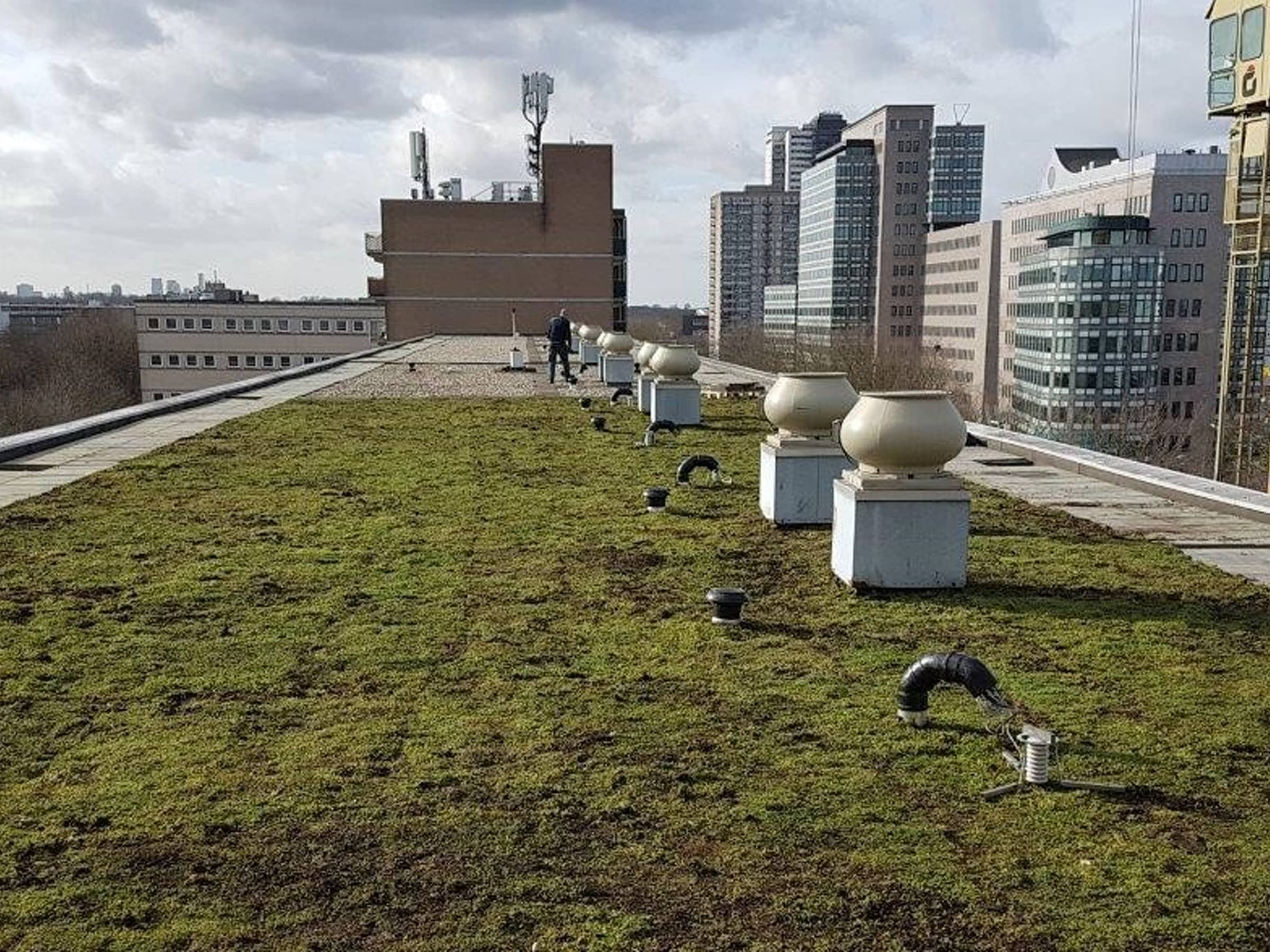
At the beginning of July 2020 the Gas-free Green Roof Project was officially launched. Eindhoven University of Technology, Havensteder, Sobolt and Sempergreen have been working together for a year to study the impact of green roofs on the energy demand of buildings in the Netherlands. This will make the possible contribution of these roofs to the transition to energy-neutral (free of natural gas) buildings more transparent. It is the most extensive and long-term energy research into green roofs in the Netherlands to date. Based on the data obtained, the parties will develop an advice tool that will help building owners – including housing corporations – determine the suitability for and impact of green roofs on specific buildings.

Eindhoven University of Technology is responsible for conducting the research. Within the partnership, initiator Sobolt – specialist in the field of geographic data, AI and statistical analyses – is focusing on the development of the advice tool. Housing corporation Havensteder makes eight green roofs available, where homes are equipped with measuring equipment. Grower and green roof expert Sempergreen provides specific experience with and knowledge of green roof products.
Green roofs contribute to cleaner air, reduction of flooding, more biodiversity and a longer lifespan of the roof. Little attention is however often paid to one advantage: green roofs significantly reduce a building’s energy demand. Green roofs require less cooling in summer and less heating in winter. For residents, this means a lower energy bill – and therefore lower housing costs – and more comfort. The application of a green roof and solar panels reinforce each other, making green roofs a suitable means to prepare the built environment for a natural gas-free future.
The parties involved will study the impact of green roofs on the energy demand of buildings for a year. Eight green roofs of housing corporation Havensteder are used for this. The associated houses are equipped with measuring equipment that continuously sends data to Eindhoven University of Technology for processing. Eindhoven University of Technology has comparable laboratory-scale control roofs and models. Based on the shared ambition to contribute to energy-neutral buildings in the Netherlands, the partners have set themselves the goal of making the choice for green roofs more accessible. As part of the project, an advice tool for building owners, such as housing corporations and municipalities, is being developed. Whether a roof is suitable for ‘greening’ depends, among other things, on the year of construction of a building, the type of roof covering and the load capacity versus the load. An analysis per roof is time-consuming.
The advice tool makes it easy to determine the suitability for and impact of green roofs per specific building. The tool will make the contribution of green roofs to making buildings, neighborhoods and cities free of natural gas measurable.