- Smart Renovation
- Webinar
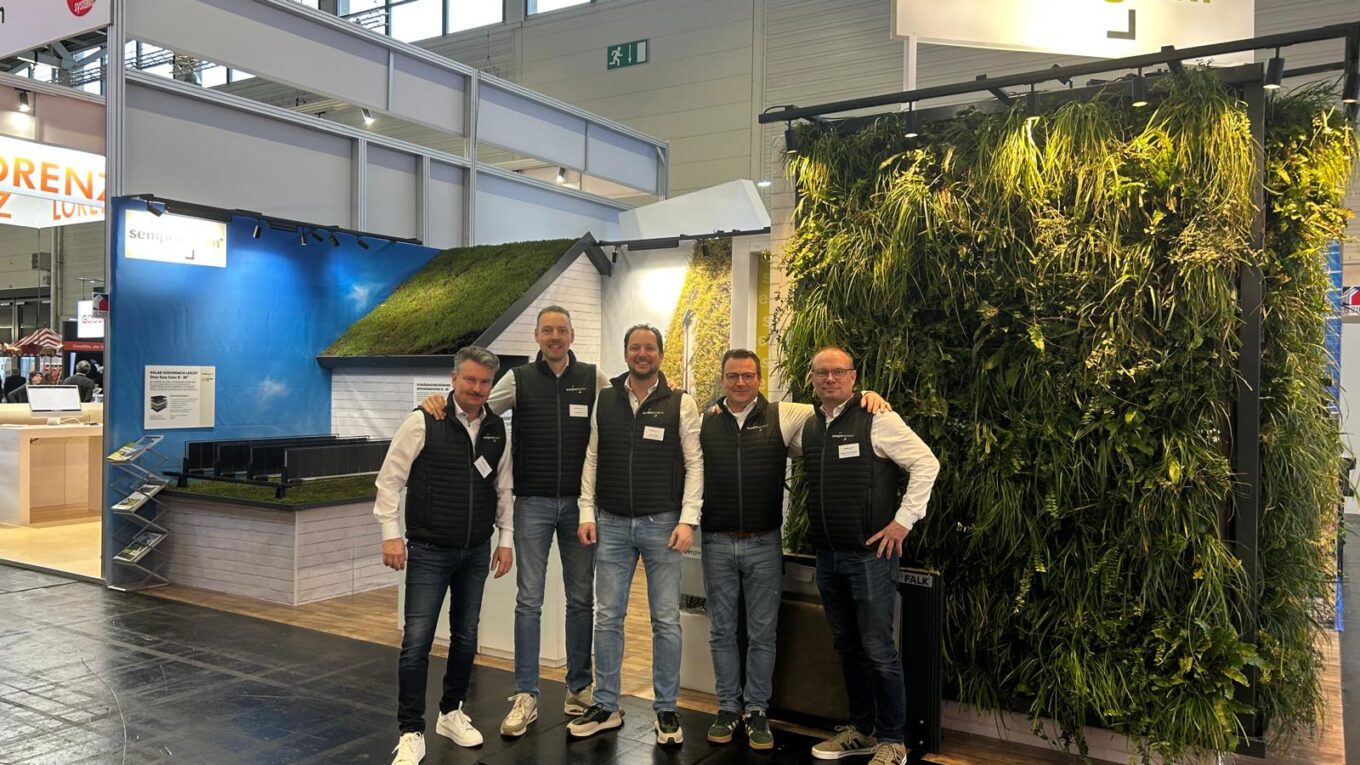
Webinar: One Roof, Double Impact: The Technology Behind Solar Green Roofs
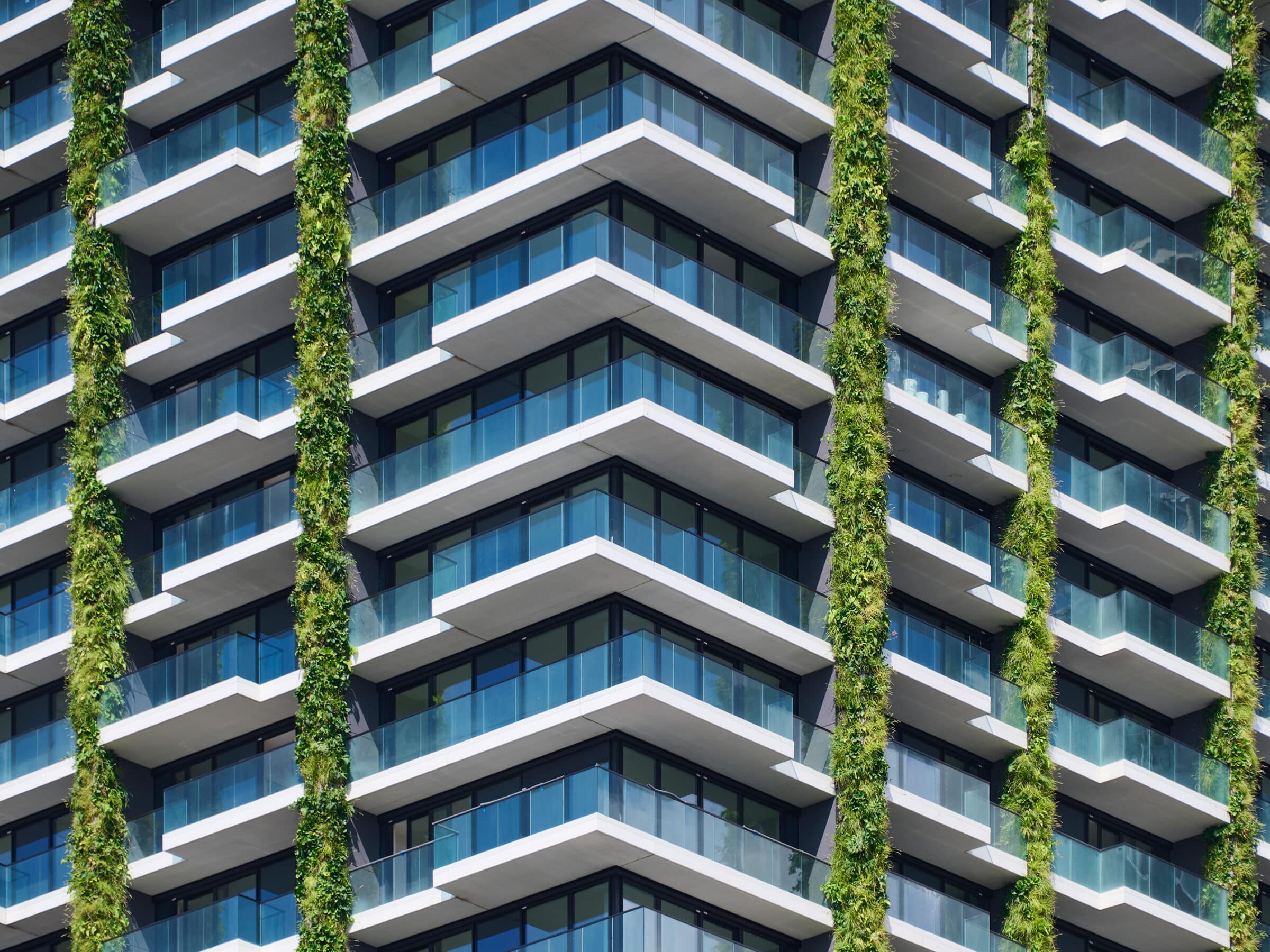
In a world where climate action can’t wait, a new wave of cities is stepping up. While pioneers like Barcelona and Hamburg have long led the way in urban sustainability, there’s a fresh cohort of cities like Copenhagen, Singapore and Amsterdam making great steps—eager to prove that they, too, can lead the green revolution.
These emerging trailblazers are reimagining what a city can be. From smart water systems and circular building practices to climate-resilient infrastructure and urban biodiversity boosts—innovation is happening in unexpected places, often outside the traditional spotlight.
So, who’s rising to the challenge? Which cities are harnessing ambition, creativity, and community power to reshape their future? We’ve done the digging to bring you the most exciting names in next-gen urban sustainability. Whether they’re scaling up green infrastructure, redefining mobility, or embedding climate justice into policy, these cities are ones to watch.
Let’s dive into the future of sustainable cities—meet the next generation!
If there’s one city that consistently lives up to its reputation as a sustainability front-runner, it’s Copenhagen. Here, bikes outnumber cars, waste powers homes, and rooftops are alive with greenery. With a bold vision to become the world’s first carbon-neutral capital by 2025, Denmark’s largest city is proving that urban climate action can be both ambitious and achievable.
This vision is outlined in the Copenhagen Climate Plan, a city-wide roadmap built around four key pillars:
Each pillar plays a vital role in Copenhagen’s mission to decarbonise while improving quality of life. Key initiatives are:
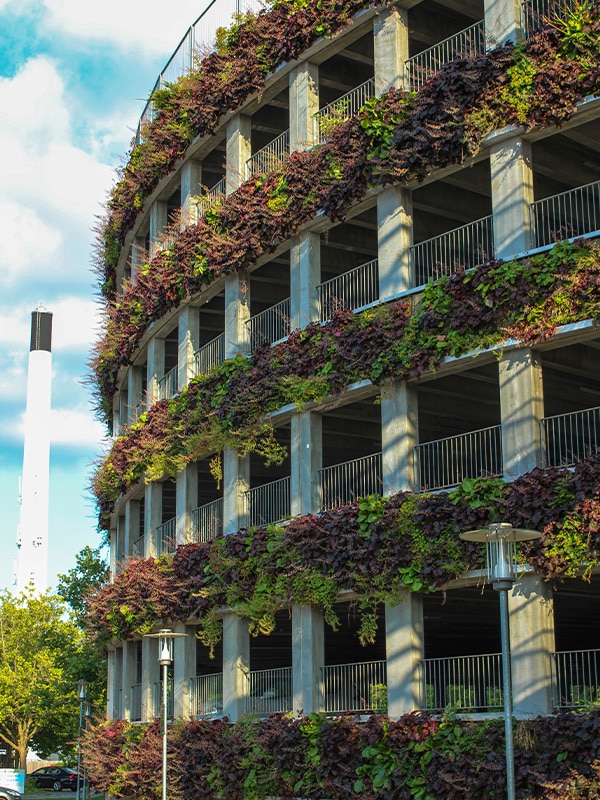
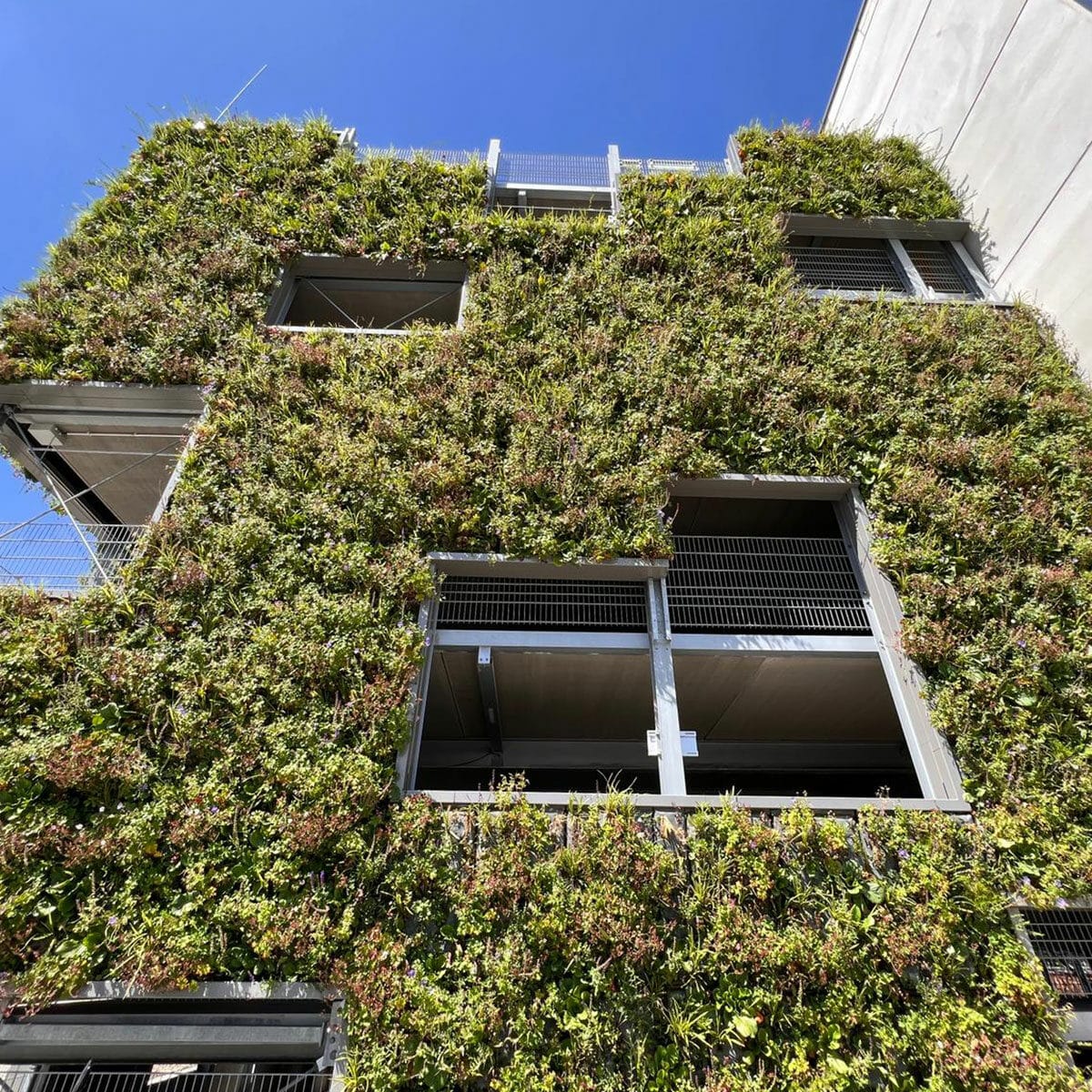
Copenhagen has made impressive strides in retrofitting existing homes and setting strict energy standards for new construction. Insulation, smart energy systems and district-wide planning ensure minimal energy loss across the urban fabric. A beautiful example of this approach is the SemperGreenwall installed on the parking garage of a Danish hospital, where a living wall not only enhances insulation and energy performance, but also contributes to a healthier environment and more attractive urban space.
Clean energy production is another cornerstone of the city’s strategy. Nearly all buildings are connected to an efficient district heating network powered by waste-to-energy plants, biomass, and increasingly, wind power. A striking example is CopenHill—a state-of-the-art waste-to-energy facility that not only supplies heat to thousands of households, but also captures CO₂ and transforms its rooftop into a vibrant public space with greenery, hiking trails and even a ski slope. It perfectly illustrates how Copenhagen blends clean infrastructure with bold, imaginative design. At the same time, the city is investing in energy storage and smart grids to balance supply and demand more intelligently.
Finally, urban development in Copenhagen is driven by climate resilience and liveability. From sponge city strategies that manage extreme rainfall to nature-inclusive design that boosts biodiversity, the city is integrating sustainability into its physical growth. Parks like Enghaveparken double as flood protection zones, while green roofs and rain gardens help absorb and filter water naturally.
On the green transport front, Copenhagen continues to raise the bar. Over 60% of residents commute by bike daily, thanks to more than 400 km of dedicated cycling infrastructure. Public transport is becoming fully electric, and by 2030, all buses and municipal vehicles are expected to be emission-free. At the same time, car-sharing and pedestrian-friendly design are reducing dependency on private cars.
What sets Copenhagen apart isn’t just its ambition—it’s the way sustainability is woven into every layer of the city. And this delivers measurable results. Since 2010, the city has installed over 87,000 m² of green roofs, significantly reducing surface temperatures in green-roofed areas by up to 5°C. Stormwater runoff has dropped by 70%, helping to protect the city from increasingly frequent heavy rains. Meanwhile, emissions continue to fall steadily. This brings Copenhagen within reach of its ambitious 2025 carbon neutrality target. The world is watching to see if this Scandinavian capital will truly become the planet’s first carbon-neutral capital. All signs point to yes.
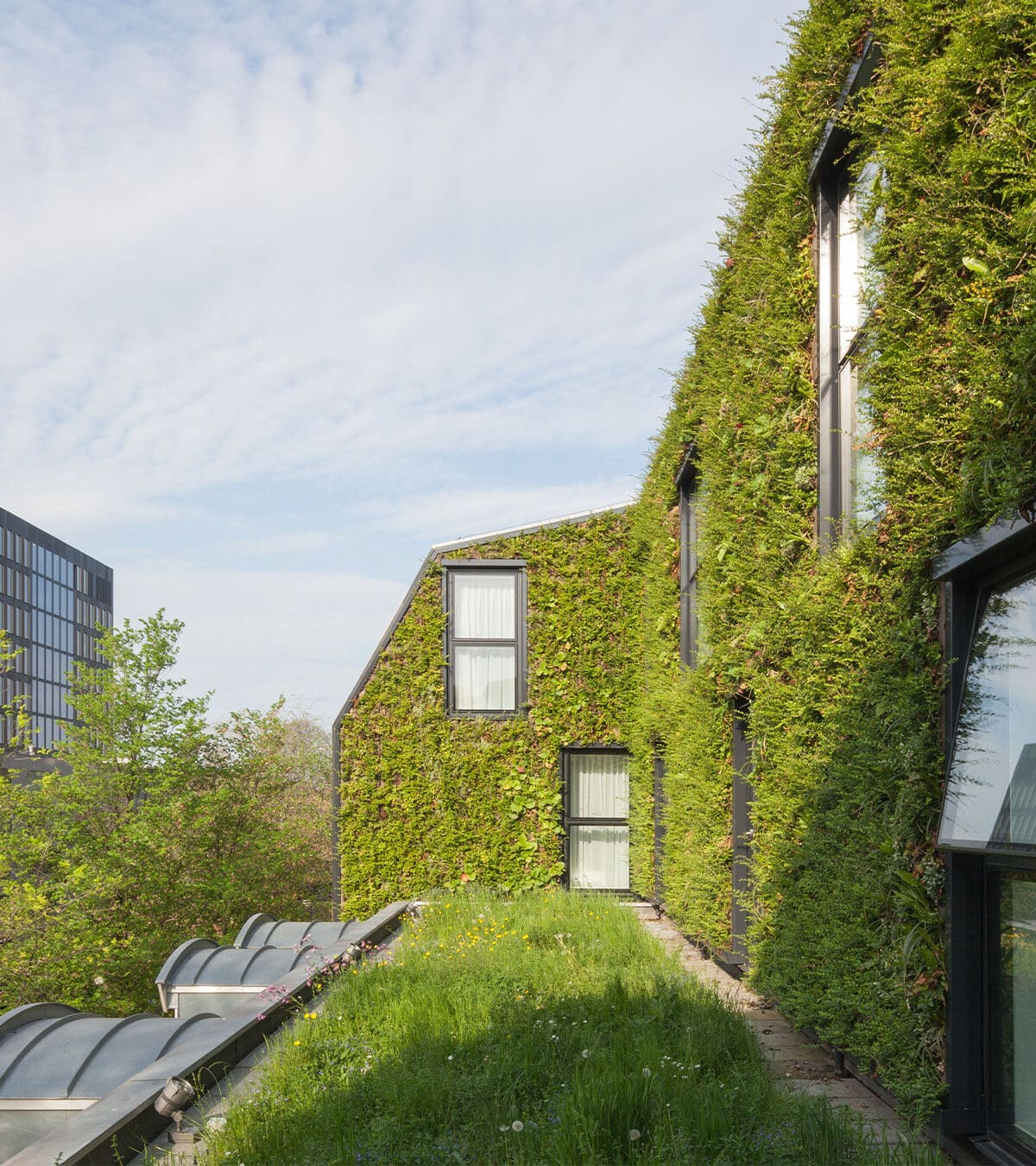
Amsterdam has long been known for its bikes, canals and charming architecture—but today, it’s also earning a global reputation for its ambitious climate policies and forward-thinking approach to sustainability. The Dutch capital is proving that circular economy principles and smart climate adaptation can go hand in hand, reshaping the city’s future with nature-based solutions and innovative infrastructure.
At the heart of Amsterdam’s strategy is the ambition to become a fully circular city by 2050, with a significant milestone set for 2030: reducing the use of new raw materials by 50%. This goal is supported by policies that encourage material reuse, sustainable construction, and waste reduction across all sectors—from housing and mobility to fashion and food systems.
One of the most visible shifts is happening in urban mobility. Amsterdam is rapidly electrifying its public transport, with trams, buses and boats transitioning to zero-emission models. Meanwhile, car-sharing schemes and low-traffic neighbourhoods are reducing congestion and pollution, making the city more liveable. In addition, large parts of the city have recently been converted into 30 km/h zones, prioritising safety, cleaner air, and a more relaxed urban pace. And of course, the city’s iconic cycling culture remains central: more than 60% of all trips in the inner city are made by bike, reinforcing Amsterdam’s position as a model for clean, active mobility.
But Amsterdam doesn’t stop at emissions. The city is also preparing for the challenges of climate change—especially flooding. With much of its land below sea level, climate adaptation is not optional, it’s essential. That’s why the city launched Amsterdam Rainproof, a pioneering programme encouraging residents, designers and developers to integrate water-smart solutions into homes, streets and public spaces. Think green roofs, water plazas, and permeable pavements—all working together to absorb, slow down and redirect excess rainwater. A striking example is the introduction of the Netherlands’ first rainproof tram stops in the built environment, featuring living walls and green roofs that capture rainwater, improve air quality, and create a more pleasant urban experience—all while helping to keep the city dry during heavy downpours.
Amsterdam aims to halve its use of virgin raw materials by 2030, paving the way for a fully circular city by 2050. The strategy is built on rethinking how materials flow through the city—from construction and consumption to reuse and recycling. One key initiative is the use of material passports for buildings, which track components for future reuse and support modular, adaptable design. Across the city, repair hubs and neighbourhood-level sharing schemes are helping citizens extend the life of everyday products.
These efforts are already delivering real, measurable benefits. Amsterdam now has:
By combining ecological thinking with smart planning, the city is making itself more resilient, more liveable, and better prepared for the climate of tomorrow. Amsterdam isn’t just adapting to climate change—it’s redesigning its systems to thrive within planetary boundaries. And that makes it a true leader in the next generation of sustainable cities.
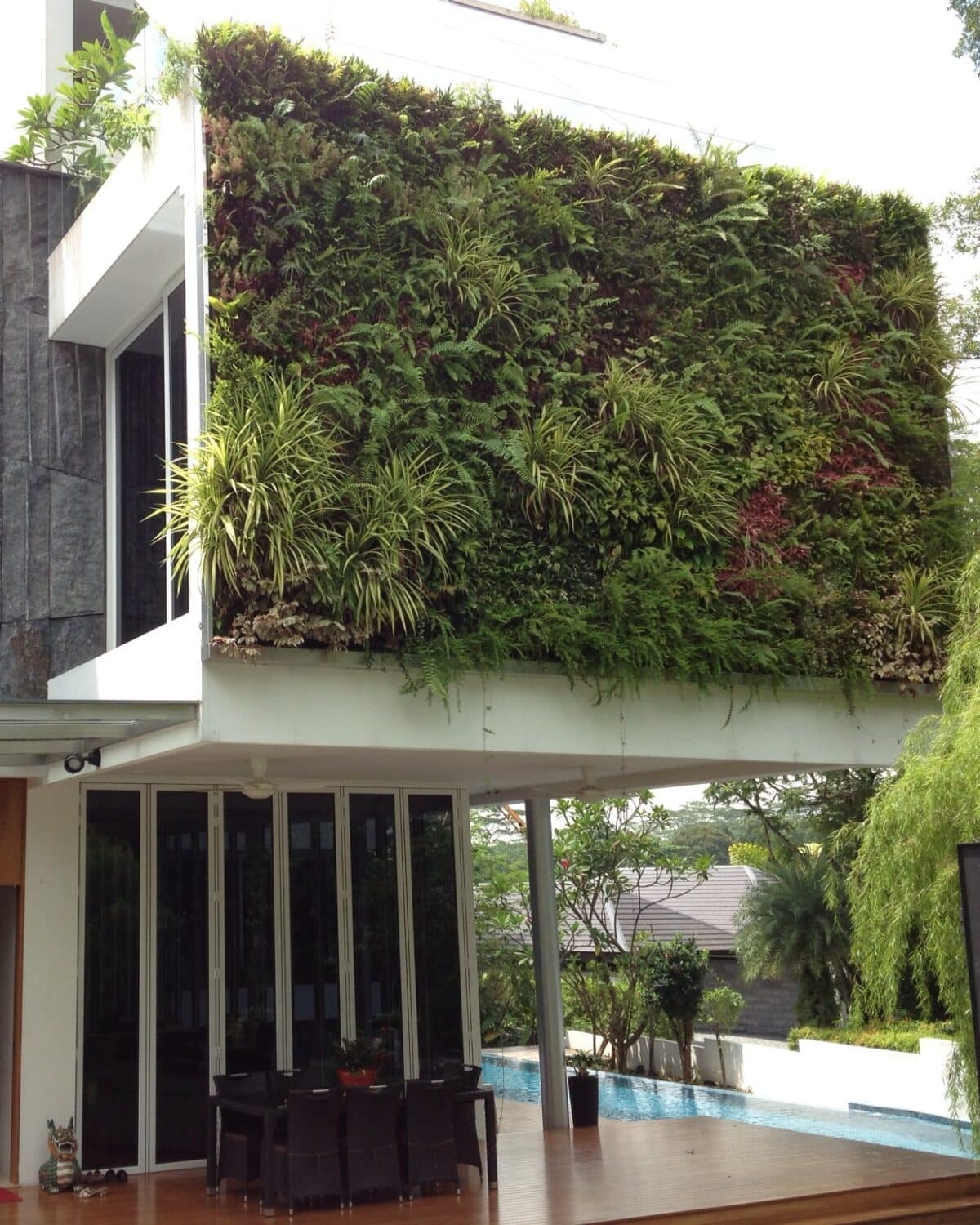
In the heart of Southeast Asia lies one of the world’s most impressive sustainability success stories. Singapore, a dense and highly urbanised city-state, has defied expectations by transforming itself into a lush, liveable, and climate-resilient metropolis. With limited natural resources and no room to sprawl, Singapore has turned to smart technology, vertical greenery, and water innovation to build a future-ready city—where nature and infrastructure grow side by side.
One of Singapore’s greatest strengths is its long-term planning. The government has embedded sustainability into every layer of development, making green building laws mandatory and embracing data-driven approaches to resource use, mobility, and climate resilience. The result is a city that doesn’t just adapt to its tropical climate—it thrives in it.
A cornerstone of Singapore’s green transition is the Green Mark Certification, which is mandatory for all new buildings. This framework encourages energy efficiency, sustainable construction materials, and passive cooling techniques to reduce demand on air conditioning. Paired with strong enforcement and incentives, it has led to a dramatic shift in the city’s skyline—from glass towers to high-performance green buildings that minimise environmental impact while maximising comfort.
Through mandatory green building laws, every new high-rise is also required to incorporate some form of greenery—whether that’s rooftop gardens, planted terraces, or vertical green walls. These elements not only cool down the dense urban landscape, but also bring nature back into the everyday lives of residents. Today, the city boasts over 100 hectares of green roofs and walls, helping to reduce urban temperatures by up to 4°C and boost building energy efficiency by 30%.
To accelerate this transformation, Singapore launched the Skyrise Greenery Incentive Scheme, which financially supports the installation of rooftop gardens and vertical greenery on new and existing buildings. This initiative has led to a cityscape where plants spill over balconies, wrap around towers, and stretch skyward – turning the concrete jungle into a thriving green habitat. Singapore’s commitment to blending architecture with ecology is perhaps best symbolised by the breathtaking Gardens by the Bay, home to the world-famous Supertrees. These vertical gardens don’t just look spectacular—they also generate solar power, collect rainwater, and support biodiversity. Together, they redefine what green infrastructure can look like in the 21st century.
Singapore’s leadership in water sustainability is equally remarkable. With no freshwater lakes or aquifers, the city-state had to think differently—and it did. The NEWater programme recycles 100% of wastewater into high-quality potable water, creating a closed-loop system that drastically reduces dependence on imported water. Combined with smart leak detection, rainwater harvesting, and desalination, Singapore has become a global model for urban water security.
Singapore shows the world what’s possible when smart urbanism meets ecological vision. From its sky gardens and solar-powered supertrees to its circular water systems and sustainable building laws, every element of the city is designed with resilience in mind. It’s not just a green oasis in the tropics—it’s a glimpse into the sustainable city of tomorrow.
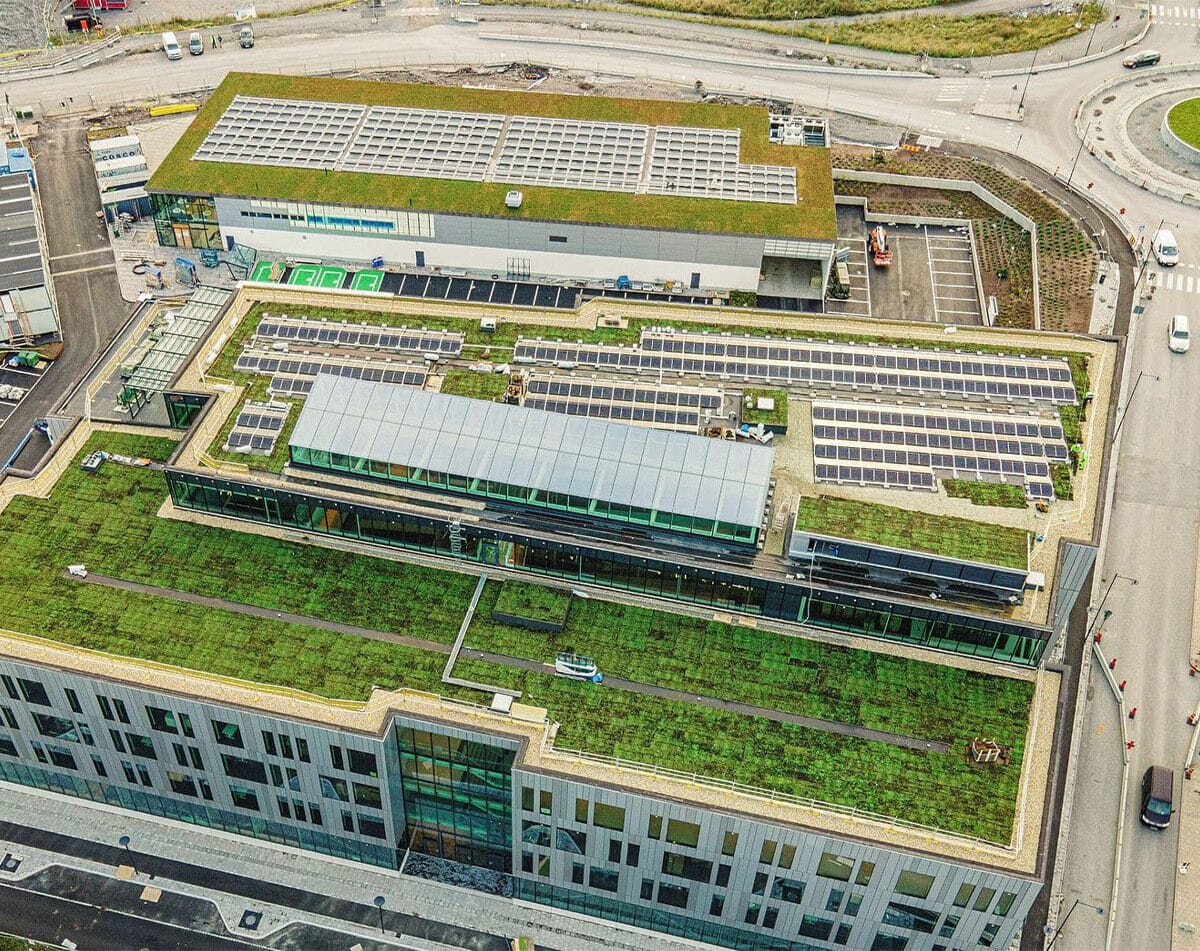
Nestled among lakes and forests, Stockholm has always lived close to nature. But today, the city is going far beyond preservation. With a goal to be fossil-fuel-free by 2040, and a strategy rooted in green infrastructure, circular systems and climate-resilient design, Sweden’s capital is rethinking what sustainable urban living looks like in practice.
The city’s masterplan focuses on integrating nature, clean energy, and innovation into every district. At the same time, its policies prioritise low-emission transport, efficient buildings, and circular resource use. From congestion pricing and energy-positive buildings to eco-districts like Hammarby Sjöstad and widespread green roof implementation, Stockholm is turning this combination of green infrastructure and digital smartness into one of Europe’s most forward-thinking urban centres.
One of Stockholm’s most iconic sustainability projects is Hammarby Sjöstad—an eco-district built on a former industrial area. Designed as a closed-loop system, the neighbourhood features extensive green roofs that absorb rainwater, reduce urban heat, and support biodiversity. Waste, energy, and water systems are tightly integrated, creating a neighbourhood that functions like an ecosystem. It has become a global reference point for sustainable urban redevelopment.
Stockholm was one of the first cities in the world to implement a congestion tax, aimed at reducing inner-city traffic and encouraging public and low-emission transport. The results speak for themselves: fewer cars, cleaner air, and growing demand for cycling, walking, and electric transport. At the same time, green urban planning ensures that new buildings are not only energy-efficient but also climate-adaptive.
Today, 60% of new buildings include green roofs, which help insulate homes, reduce stormwater runoff, and mitigate the urban heat island effect. Many public buildings also feature green walls, improving both air quality and indoor comfort—while adding a fresh layer of green to the cityscape.
Stockholm’s climate strategy extends beyond infrastructure—it’s about rethinking resource flows at every level. The city is well on its way to becoming fossil-fuel-free by 2040, and it’s already proving what a circular economy can look like in practice: 90% of the city’s urban waste is converted into energy, powering district heating systems that keep homes warm during Sweden’s long winters. It’s a clean, closed-loop model that makes waste a valuable resource rather than a burden.
Stockholm’s urban development model combines clean energy, biodiversity, low-emission transport, and digital innovation. By weaving green infrastructure, circular systems and clean transport into the fabric of the city, it is creating a future where people and planet can thrive together. The result? A city that not only reduces its environmental footprint, but actively builds resilience into its streets, systems, and skylines. Over 60% of new buildings now feature green roofs, and 90% of urban waste is converted into energy—a level of integration that few cities can match.
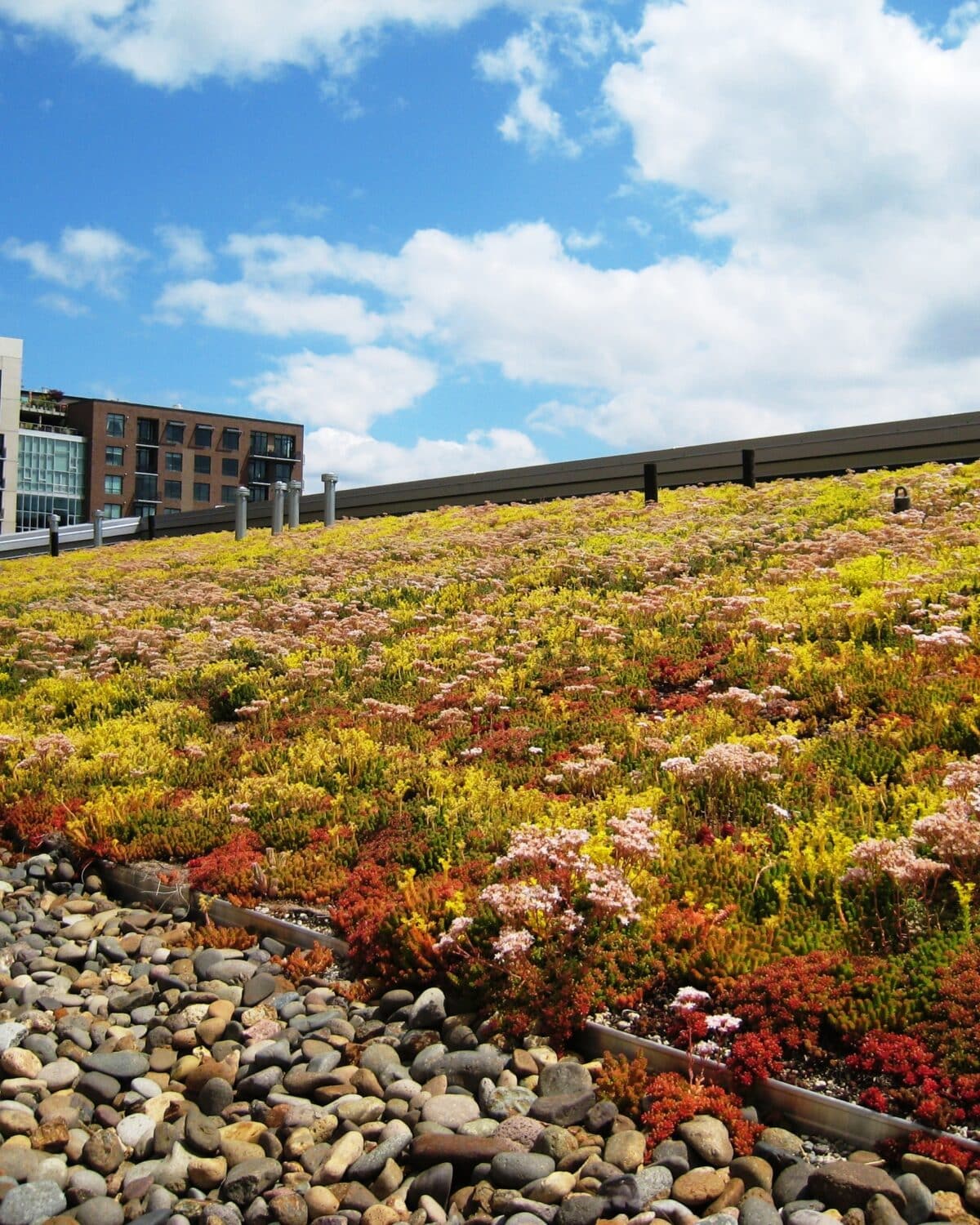
Tucked between forested hills and riverbanks, Portland has always had a close relationship with nature. But it’s not just proximity—it’s philosophy. This Pacific Northwest city has become a quiet frontrunner in climate-resilient urban design, proving that green infrastructure isn’t just a buzzword, but a practical, powerful tool for reshaping the city from the ground up.
Portland’s approach? Let nature do the heavy lifting—from managing stormwater and cooling overheated streets to filtering air and creating spaces people actually want to spend time in.
One of Portland’s longest-running green programmes is the EcoRoof Program, which offers grants to homeowners and businesses to install green roofs. These vegetated rooftops absorb rainfall, reduce stormwater runoff, and lower surface temperatures. To date, the programme has led to the installation of over 400 green roofs, covering more than 18 acres across the city. In neighbourhoods most vulnerable to heat, these roofs help lower ambient temperatures by up to 3.8°C, providing much-needed relief during the increasingly frequent heatwaves.
Portland’s green strategy isn’t limited to rooftops, even the highways are going green. The city has embraced the use of vertical gardens and green walls in high-traffic corridors and public areas—not just for visual appeal, but to actively tackle urban pollution. These leafy installations act as natural sound buffers and air filters, absorbing carbon dioxide and trapping particulates that would otherwise hang in the air. It’s a simple but powerful shift in mindset: walls don’t have to divide—they can support life, improve public health, and soften the hardest edges of city life.
In the heart of the city, projects like Tanner Springs Park show how green infrastructure can transform public space. This park integrates urban wetlands, vertical gardens, and rooftop greenery to manage water naturally while creating a cool, shaded oasis for residents. These spaces are more than aesthetic—they’re functional ecosystems that absorb millions of gallons of rainwater, reducing the risk of flooding and helping Portland adapt to more extreme weather patterns.
Portland may not make as much noise as larger cities, but its green infrastructure speaks volumes. By funding practical solutions, inviting residents into the process, and turning forgotten surfaces into functioning ecosystems, the city is showing what it means to design with nature, not against it.
And the impact? It’s measurable. With over 400 green roofs spanning 18 acres, the city has transformed its rooftops into tools for climate resilience—lowering temperatures in urban heat islands by up to 3.8°C and absorbing millions of gallons of rainwater, significantly reducing the risk of flooding during heavy storms. These aren’t just aesthetic upgrades—they’re lifelines for a liveable future.
Framed by ocean, forest and mountains, Vancouver has long enjoyed a spectacular natural setting. But this Canadian city is doing more than admiring the landscape — it’s weaving it into the fabric of urban life. With its “Greenest City Action Plan”, Vancouver set out to become the world’s greenest city, and while that goal is still in motion, the results so far are impressive. From mandated green rooftops to clean mobility and innovative architecture, Vancouver is showing how dense urban growth and ecological ambition can not only coexist — they can thrive together.
One of Vancouver’s most visible commitments to sustainability is its mandate for green roofs on new commercial and residential developments. This policy ensures that even as the city grows vertically, it also grows green. These rooftops act as living insulation, stormwater buffers, and biodiversity habitats — all while helping to reduce urban temperatures.
Perhaps the city’s most iconic example is the Vancouver Convention Centre, which boasts one of the largest green roofs in the world — spanning six acres and home to over 400,000 indigenous plants and even bee colonies. It’s not just a roof; it’s a self-contained ecosystem above a bustling waterfront district.
Vancouver’s green ambitions extend beyond rooftops. Living walls — vertical gardens integrated into public buildings — are becoming a common feature in the city’s urban design. These green façades don’t just soften concrete; they help clean the air by filtering pollutants and capturing CO₂, especially in high-traffic areas.
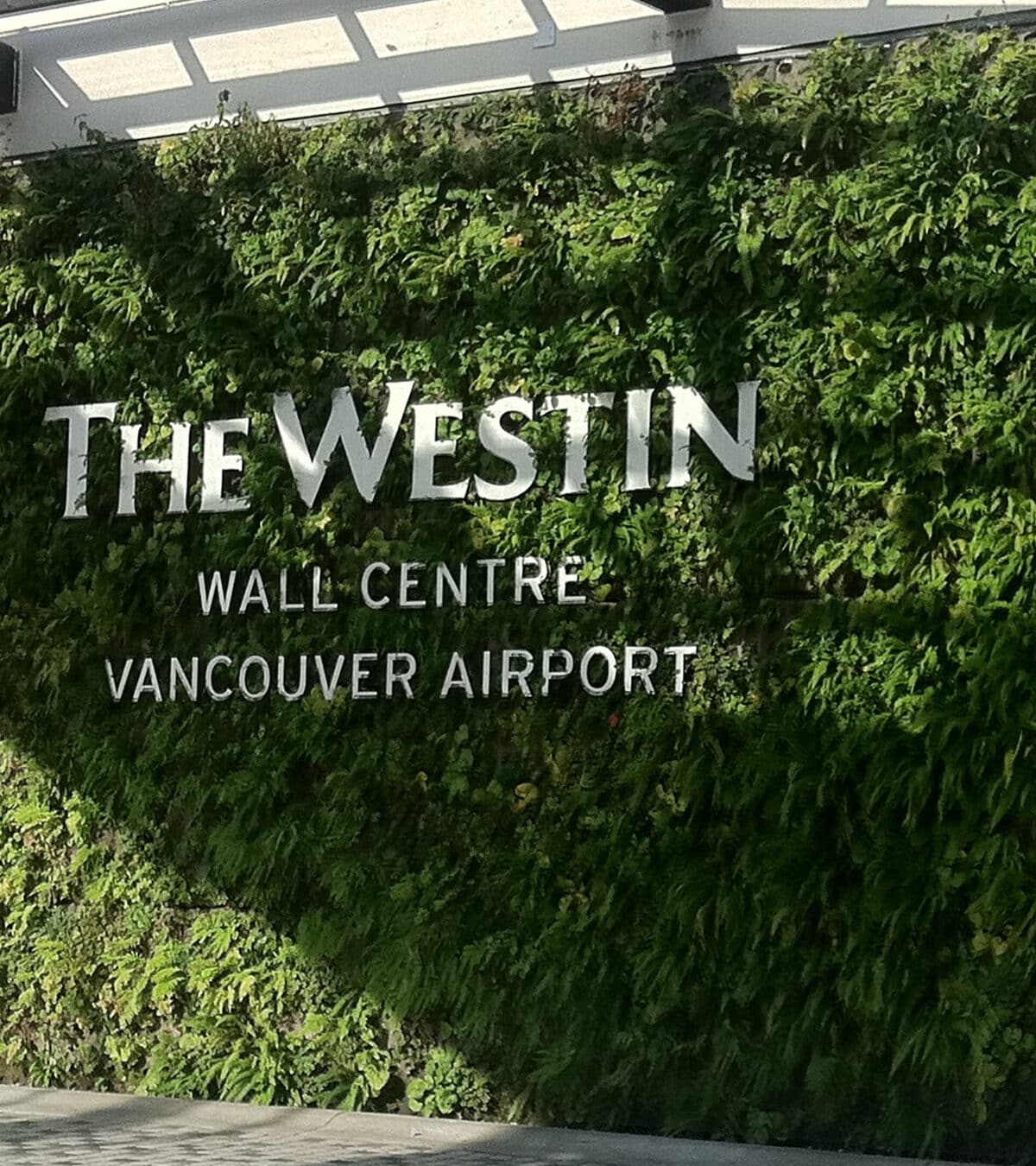
They also contribute to noise reduction, thermal regulation, and visual relief — proving that climate-conscious design can be beautiful, functional, and scalable. A great example is the entrance of the Westin Hotel.
Greening the built environment is only part of the equation. Vancouver has also rethought how people move through the city. With protected bike lanes, walkable neighbourhoods and efficient public transport, over 50% of urban trips are now made via sustainable modes of transport — and that number continues to rise. It’s a major achievement for a North American city, and a key part of reducing emissions at scale.
Vancouver’s journey to becoming the greenest city in the world is far from symbolic — it’s grounded in measurable impact. With over 500,000 square metres of green roofs, up to 40% energy savings in buildings, and a growing shift toward low-carbon mobility, the city is building climate resilience one layer at a time. It’s a model for future-forward urbanism: where rooftops become ecosystems, walls breathe life into the city, and sustainability is simply how things are done.
Curitiba is emerging as one of South America’s most exciting examples of next-generation urban sustainability. With bold investments in eco-mobility, flood-resilient parks and inclusive green infrastructure, the city is showing that smart design can have social impact. The result? A vibrant, climate-resilient city that shows how progress doesn’t have to come at the planet’s expense.
Curitiba’s BRT system is legendary. Designed in the 1970s and still a global reference point, this high-capacity bus network moves over 2 million people daily, reducing car dependency and drastically cutting urban emissions. More than just efficient transport, it’s a piece of urban infrastructure that supports the city’s broader green goals: compact development, lower air pollution, and more room for nature.
By keeping cars off the road, Curitiba has created space for green corridors, bike lanes, and tree-lined streets — a mobility system that works with the city’s climate.
Curitiba has also embraced nature-based flood management, turning flood-prone zones into multifunctional green parks. Instead of relying on expensive drainage systems, the city uses wetlands and open green space to absorb stormwater naturally — a strategy that’s both cost-effective and climate-smart.
Many of these parks are linked with urban farming initiatives, where residents can grow food locally and learn about sustainable land use. This not only strengthens community ties but also builds food resilience in a changing climate.
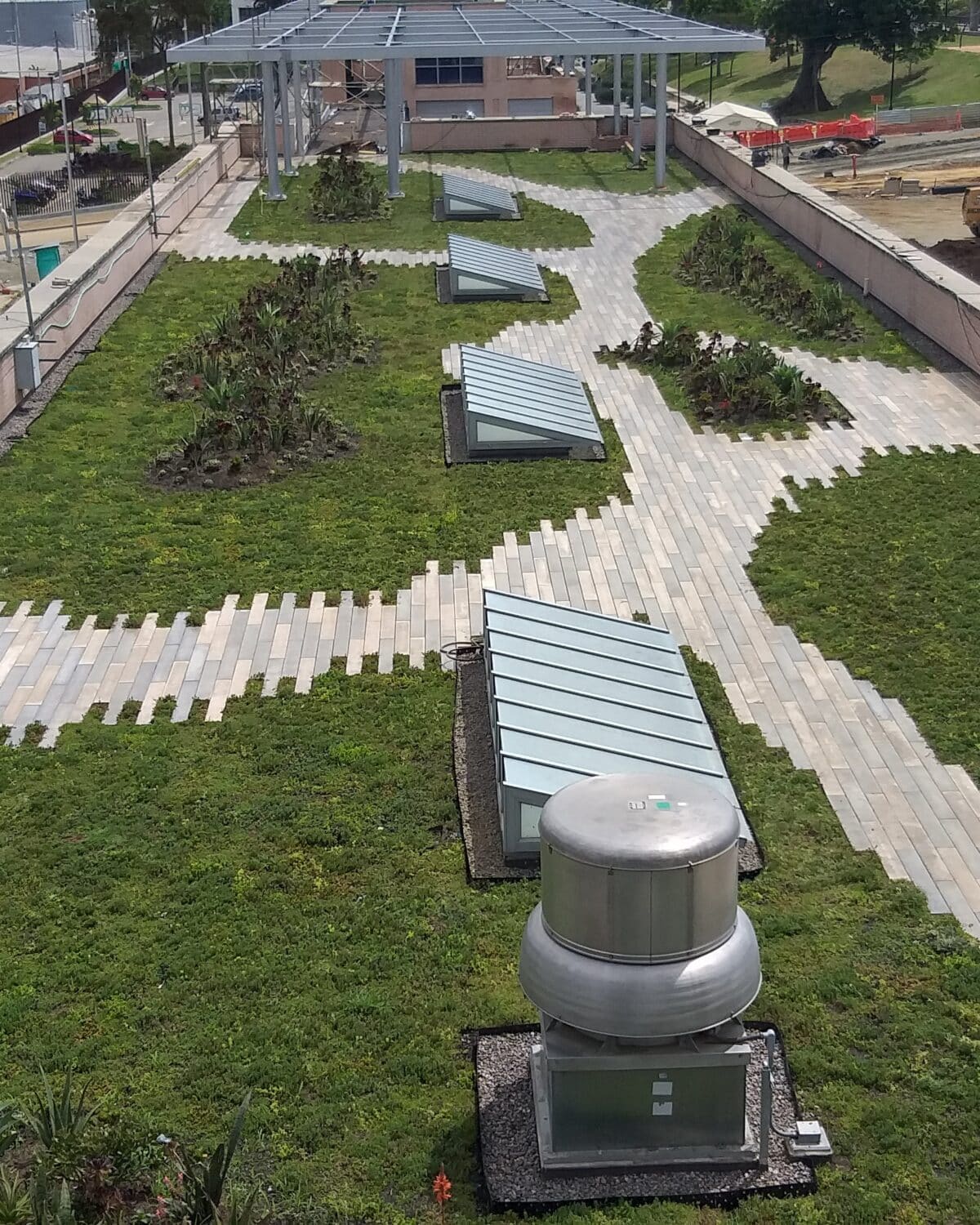
One of Curitiba’s most inclusive innovations is its Urban Green Roof Program, which offers free training and plants to residents and building owners interested in creating green rooftops. These roofs now absorb 70% of rainwater, reducing flood risk and supporting biodiversity in dense areas. They also lower building temperatures by up to 3°C, creating cooler microclimates in some of the city’s hottest zones.
Alongside rooftops, the city has introduced green walls on schools and public buildings, improving CO₂ absorption and air quality while offering natural insulation. These vertical gardens double as learning tools—introducing children to environmental stewardship in their daily surroundings.
Curitiba’s success lies not just in infrastructure, but in its ability to connect environmental goals with social impact. Programmes like the Green Exchange, which allow residents to swap recyclables for fresh food, link climate action directly to local wellbeing. In Curitiba, sustainability is not top-down—it’s shared, practical and people-powered.
With its bold mix of eco-transit, urban greening and social innovation, Curitiba continues to inspire cities worldwide. It’s a place where buses run like clockwork, rooftops bloom, and nature is treated not as a challenge, but as a partner in building the future.
Vienna is proving that even cities steeped in history can lead the charge toward a sustainable future. With its Smart City Vienna Plan, the Austrian capital is combining digital innovation, energy efficiency and green infrastructure to shape a city that’s not only climate-resilient, but also deeply liveable.
What sets Vienna apart is its ability to merge the old with the new — blending green facades into historic buildings and turning rooftops into urban farms, all without compromising its iconic architectural character.
The Smart City Vienna Plan sets clear sustainability targets for new developments, including the use of renewable energy and mandatory green roofs. So far, the city has installed over 200,000 m² of green roofs, which help absorb rainwater, lower temperatures, and insulate buildings naturally. The result? Cooling costs reduced by up to 35%, easing pressure on both the energy grid and residents’ wallets.
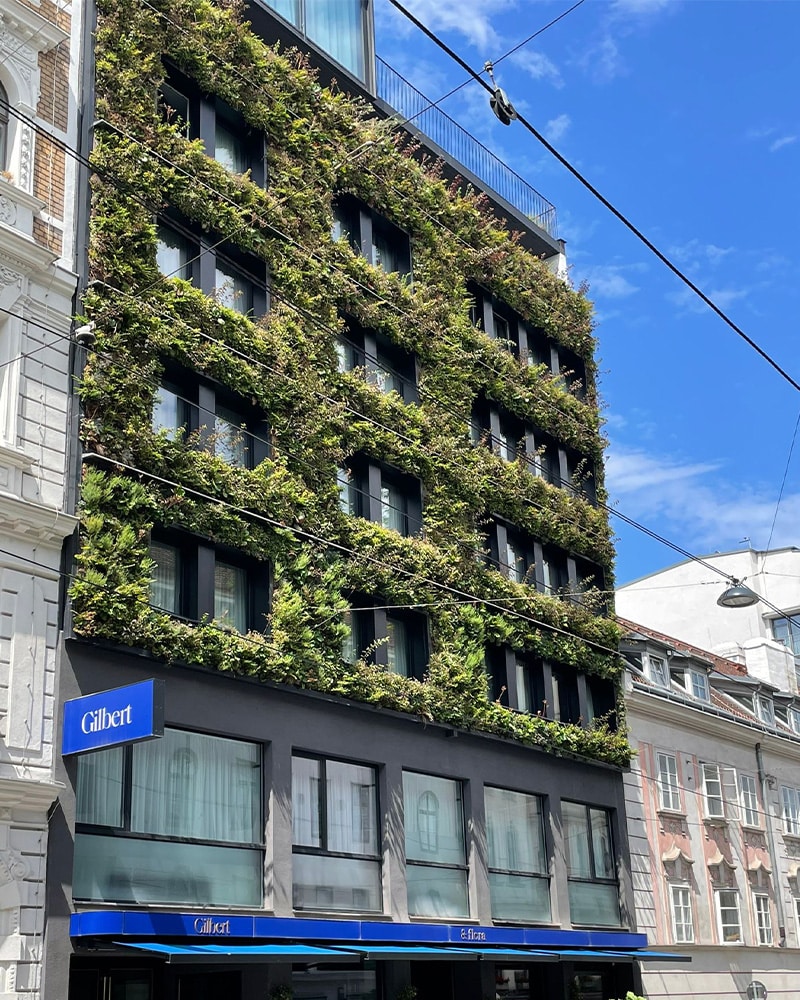
Vienna is also pioneering the integration of green facades on historic buildings — a delicate balance of preservation and innovation. These living walls cool the air, boost biodiversity and reduce urban heat, all while respecting the city’s architectural heritage. A striking example is Hotel Gilbert, where a lush SemperGreenwall wraps around the historic façade, creating a vibrant, plant-covered landmark in the heart of the city. It’s proof that climate innovation and cultural identity can grow side by side.
One of Vienna’s most ambitious projects is Seestadt Aspern, a next-gen eco-district built from scratch. It features rooftop urban farms, solar-powered mobility, and extensive green walls, making it a real-world lab for the sustainable city of tomorrow. With homes, workplaces and public space all designed for low-impact living, Seestadt is redefining how new neighbourhoods can support both people and planet.
Vienna shows that tradition and transformation can go hand in hand. With over 200,000 m² of green roofs now in place and cooling costs reduced by up to 35%, the city’s green infrastructure strategy is delivering real results. From historic facades wrapped in living plants to eco-districts like Seestadt Aspern, where rooftop farms and green walls are part of everyday life, Vienna proves that sustainability doesn’t have to mean starting from scratch.
By embedding smart policies and nature-based design into its urban DNA, Vienna is becoming a global model for elegant, efficient and climate-ready development. This is a city that doesn’t just adapt to the future — it’s designing it, one green surface at a time.

With its clean lines, electric ferries and bold environmental targets, Oslo is fast becoming one of Europe’s most climate-forward capitals. Determined to reach carbon neutrality, the city is transforming how it builds, moves and lives—placing green architecture, stormwater-smart design and zero-emission zones at the heart of its urban future.
What makes Oslo stand out is its integrated approach: green roofs to absorb rain and cool buildings, living walls in dense commercial districts, and a fossil-fuel-free city centre that prioritises clean mobility and people-friendly streets. Here, climate action isn’t an add-on—it’s embedded in the city’s DNA.
Central to Oslo’s climate strategy is its Green Roof Strategy, aimed at reducing flooding and heat stress across the city. 40% of all new buildings now include green roofs, which act as natural sponges—absorbing rainfall, lowering rooftop temperatures, and supporting urban biodiversity. A standout example is the Løren School, where a Sempergreen green roof provides not only climate resilience, but also a space for education and nature connection within a dense urban neighbourhood.
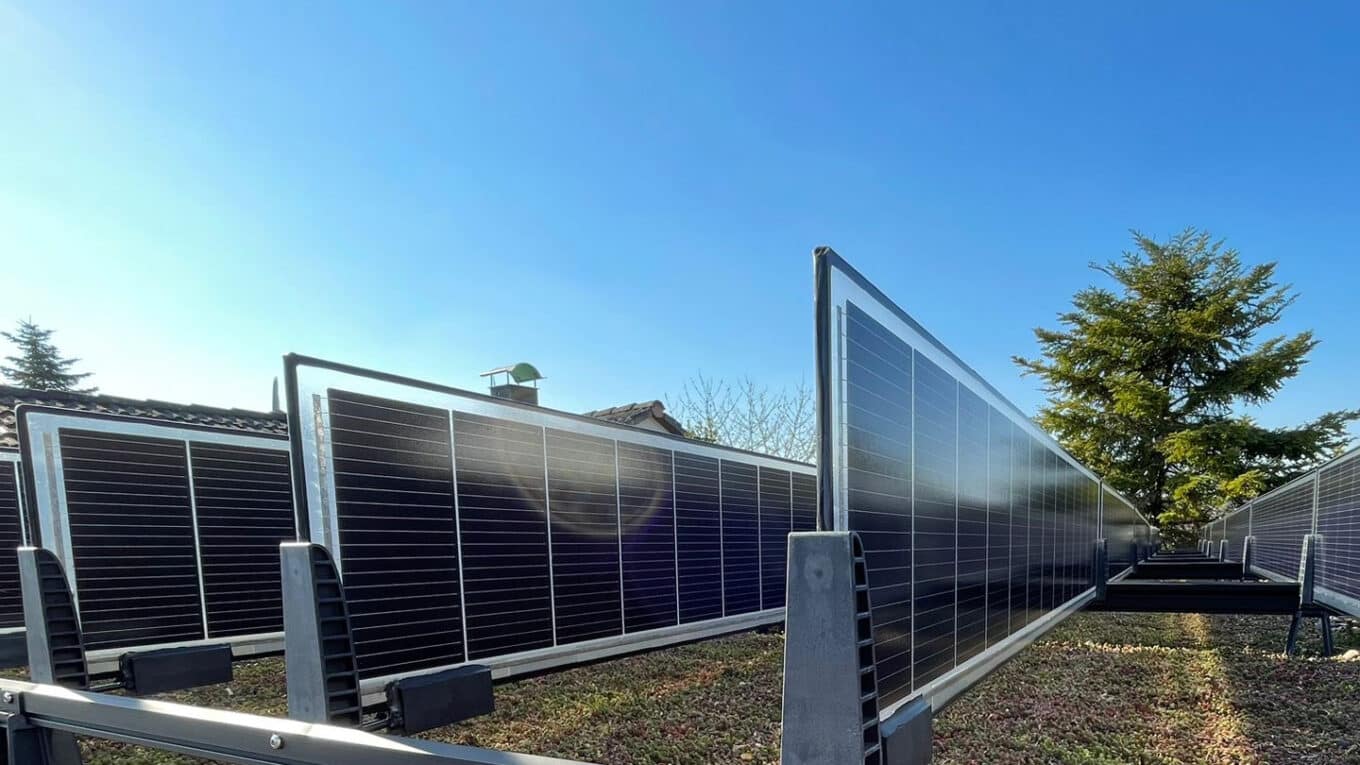
Oslo is also leading in green tech innovation. With companies like Over Easy Solar, the city is exploring the next generation of rooftop solutions that combine vegetation and solar energy—turning urban roofs into climate-positive powerhouses that manage water, generate electricity, and insulate buildings all at once.
In Oslo’s modern business districts, living walls are becoming the new normal. These vertical gardens aren’t just eye-catching—they absorb CO₂, filter air pollutants, and help insulate buildings, reducing energy use year-round. T A striking example is the green wall at Signal Mediahus, where a SemperGreenwall transforms the building façade into a vertical ecosystem—improving biodiversity, cooling the interior, and showcasing how sustainability and architecture can work hand-in-hand. In a dense, fast-growing city, these walls are bringing nature back where it’s needed most.
Oslo is also one of the first capitals in the world to implement a fossil-fuel-free city centre. By removing cars, expanding pedestrian zones, and supporting electric mobility, the city is cutting emissions and reclaiming space for people and nature. Green infrastructure—like planted streetscapes and pocket parks—plays a vital role in making these areas not just cleaner, but more vibrant and welcoming.
Oslo’s nature-based strategy is delivering tangible results: urban flooding risks have dropped by 50%, and green roofs are helping to stabilise microclimates and reduce energy use across the city. But Oslo isn’t standing still. With innovations like the combined solar-green roof systems from Over Easy Solar, the city is showing what’s next—rooftops that not only cool and absorb rainwater, but also generate clean energy. This is what future-ready urbanism looks like: resilient, regenerative, and powered by smart design.
Known as Germany’s “Green City”, Freiburg is pushing boundaries with its integrated approach to solar energy, green roofs and nature-inclusive architecture—all while keeping neighbourhoods liveable, walkable and climate-resilient.
This is not just a city with solar panels and flower-filled rooftops. Freiburg is showing how to combine biodiversity, energy efficiency and climate adaptation—all within the same square meter.
The Vauban neighbourhood is at the heart of Freiburg’s green transformation. Built on a former military base, this car-lite eco-district has become a global reference for sustainable urban design. Nearly every building features a green roof, absorbing rainfall, insulating homes, and providing habitats for pollinators. Streets are designed for people, not cars—making the district as socially vibrant as it is ecologically sound.
Freiburg is also a pioneer in combining solar panels with vegetated rooftops—a powerful synergy that improves both systems. The green layer helps regulate temperature and improve panel efficiency, while the panels provide partial shading and shelter for rooftop ecosystems. This solar-green roof combo is now being applied in new housing, schools and public infrastructure, helping the city reduce its carbon footprint and boost biodiversity at the same time.
Throughout the city, public schools and offices are adopting green walls to reduce noise, cool indoor spaces and purify the air. These vertical gardens don’t just serve the environment—they also improve well-being and concentration in learning and working environments, creating calmer, healthier places to spend the day.
With green roofs on 80% of new buildings, Freiburg is reaping the benefits: urban temperatures have dropped by up to 5°C in heat-prone zones, and stormwater retention has improved significantly. Combined with solar integration, these rooftops are turning the city into a patchwork of microclimate solutions—generating energy, reducing heat, and supporting life.
Freiburg proves that sustainability doesn’t require compromise. When green infrastructure is baked into the city’s DNA, the result is a place that’s future-proof, people-focused, and bursting with climate-smart innovation.
From Oslo to Curitiba, and from Vienna to Vancouver, the cities featured in this blog aren’t just adapting to climate change—they’re setting the standard for the next generation of urban sustainability. What unites them? A bold vision, systemic thinking, and a willingness to rethink how we design, build and live in our cities.
With green roofs and living walls as essential tools—not just aesthetic choices—they’re managing stormwater, reducing urban heat, improving air quality and boosting biodiversity. These cities are proving that green infrastructure is the new foundation of climate-resilient development.
But this is only the beginning. We’ll be following their progress closely in the years to come. Because the cities that invest in green infrastructure today will be the ones that thrive tomorrow.
At Sempergreen, we help turn bold urban visions into living, thriving solutions. Whether you’re designing a climate-adaptive neighbourhood, retrofitting a public building or planning a future-proof city centre—we’re here to help. Contact us today to explore how we can support your project.
Schedule a meeting!Let’s green the world together—inch by inch, meter by meter.