- Water Management
- Knowledge
Next Generation: Cities competing to become the World’s Most Sustainable
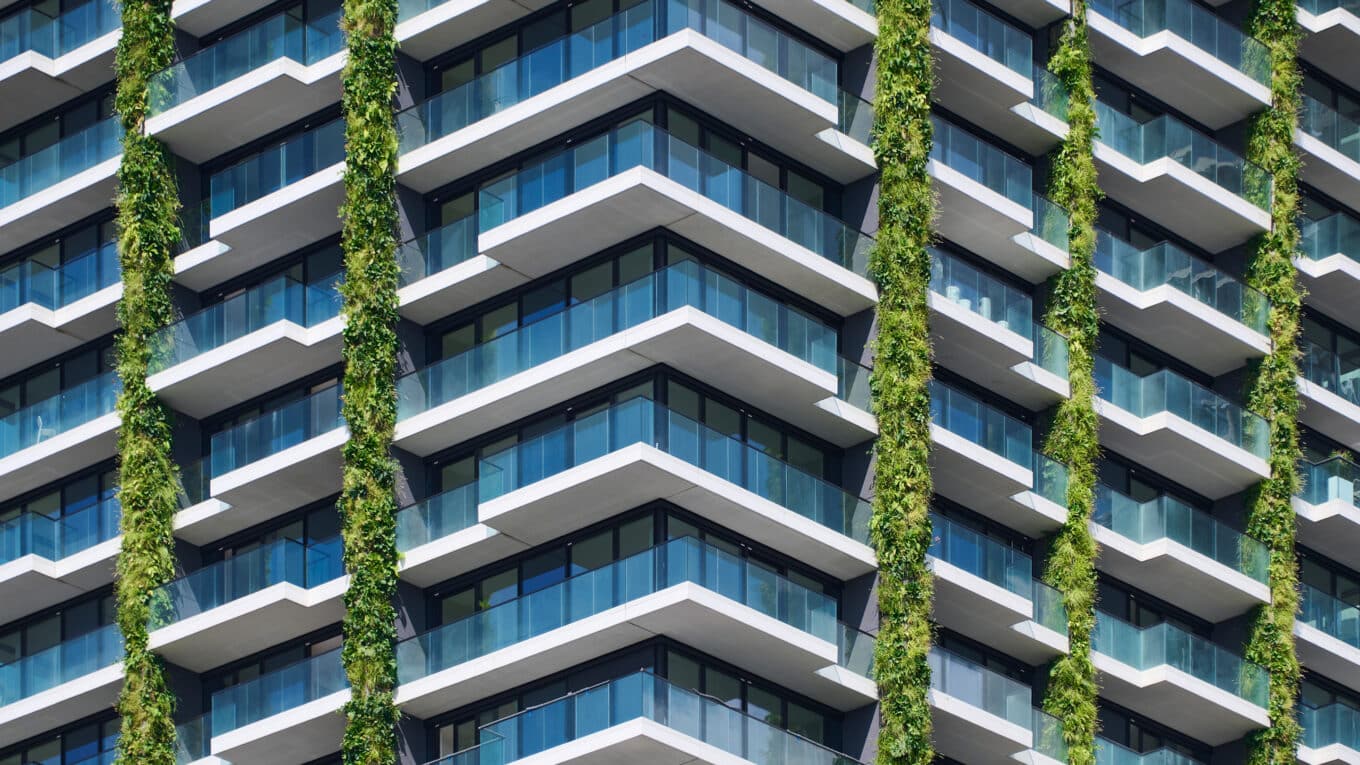
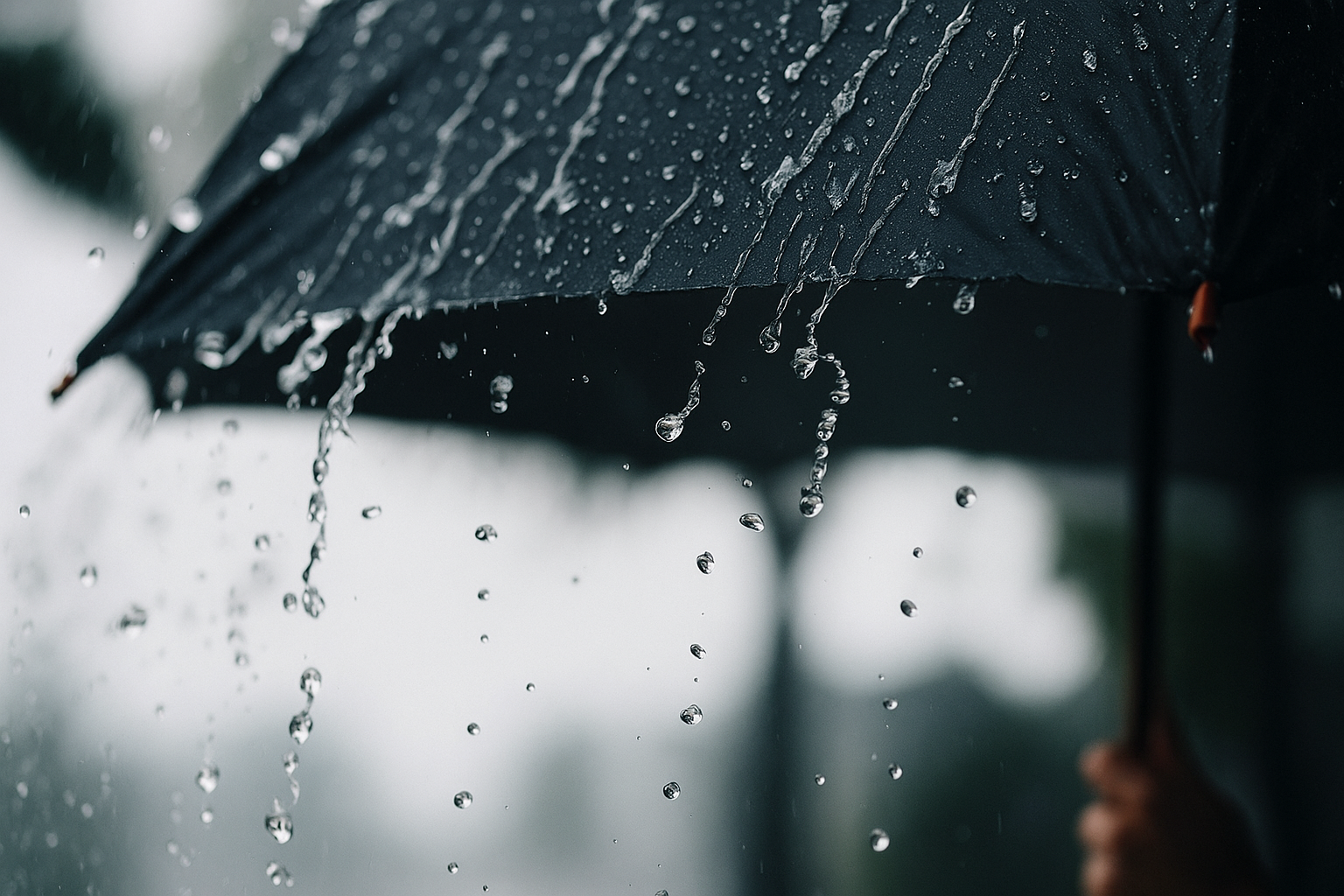
Water management is becoming an increasingly important challenge in cities and communities around the world. Climate change is leading to more frequent and intense rainfall events, longer periods of drought and growing pressure on urban infrastructure. As populations continue to grow and urban areas expand, the need for smart, sustainable water management solutions is greater than ever.
To create resilient and future-proof cities, a balance must be found between water retention, drainage and reuse. This requires innovative solutions at both the city and building scale. Green roofs play an important role in this approach. By capturing and temporarily storing rainwater, they help reduce pressure on drainage systems and mitigate the impact of heavy rainfall. At the same time, they contribute to healthier, greener urban environments.
How does this work in practice? In this blog, we explore the role of green roofs in sustainable water management and how they can help cities adapt to a changing climate.
Why capture rainwater on rooftops? The real question is: why not? A large portion of rainfall hits the roof first. Yet we often channel that water straight into the sewer system. But why should we? Instead of draining it away immediately, the roof is the perfect place to store rainwater for longer periods.
By collecting rainwater on a green roof, we reduce pressure on the sewage system and prevent overload during heavy downpours. This is crucial for effective water management, especially in cities where there’s little greenery and a lot of paving and construction. In such areas, rainwater has difficulty seeping into the ground, which can lead to surface runoff and urban flooding.
Around the world, cities and communities are facing growing water management challenges. More intense rainfall, longer periods of drought and increasing urbanisation are putting pressure on existing infrastructure. To create resilient and climate-adaptive environments, a combination of large-scale infrastructure and nature-based solutions is needed. Below are five smart approaches that help manage water more effectively.
Sustainable water management means more than just collecting rainwater—it’s about smart buffering, controlled processing, and reuse, all without compromising water quality. A green roof is ideal for this purpose: it captures rain, prevents flooding, and holds the water until it gradually evaporates. This controlled evaporation not only helps cool cities but also improves air quality.
But there’s more! A green roof allows for practical rainwater reuse. The collected water can be used to irrigate façade vegetation, flush toilets, or for other purposes that don’t require drinking water. This saves valuable tap water and reduces strain on urban drainage systems.
Reusing rainwater creates multiple benefits: less flooding, lower costs, more biodiversity, and a healthier living environment. Green roofs are therefore a smart, sustainable solution for future urban water management.
We’re seeing it more often: short, intense downpours that flood streets in no time. These “peak storms” are a direct result of climate change. To make cities more resilient, we must adapt their infrastructure—and green roofs play an important role in this. A green roof acts like a sponge: it captures rainwater, holds it temporarily, and releases it gradually. This prevents sewage overload and keeps streets, gardens, and homes better protected from flooding during heavy rain.
Climate adaptation means modifying cities and nature to withstand the effects of climate change. Building a climate-resilient city involves multiple measures, and green roofs are a prime example of an effective one. These roofs store water, reduce flooding, cool the environment, and promote biodiversity—creating greener, more livable cities. In short, green roofs combine ecology and technology in a smart way, making cities greener, healthier, and more resilient to climate extremes.
Want to prevent flooding from heavy rainfall around your project in the future? Then consider a green roof early in the design phase. By collecting and slowly releasing rainwater directly on the roof, a green roof prevents sewer overload and protects homes and gardens from flooding. Integrate a green roof at the start of your building or home design and contribute to the sustainable water management of tomorrow.
Flooding from heavy rainfall is becoming more common and poses an increasing threat to our living environment. Green roofs help capture and store rainwater and release it in a controlled way. This reduces the risk of flooding in homes, gardens, and basements. Moreover, green roofs ensure an even distribution of rainwater and lower pressure on sewer systems—making them one of the most effective solutions for urban water management.
