- Indoor Climate
- Knowledge
White paper: The importance of good lighting for a living wall
Over the past few months, subsidies to invest in ventilation in schools have been made available in many countries. The Dutch government, for example, will invest €140 million to make the necessary improvements.1 In the UK, all state-funded education settings received CO2 monitors. Up to 9000 air cleaning units will cover poorly ventilated teaching spaces. This underlines the importance of fresh air in classrooms! Clean air is good for the health of students and teachers and boosts their concentration.
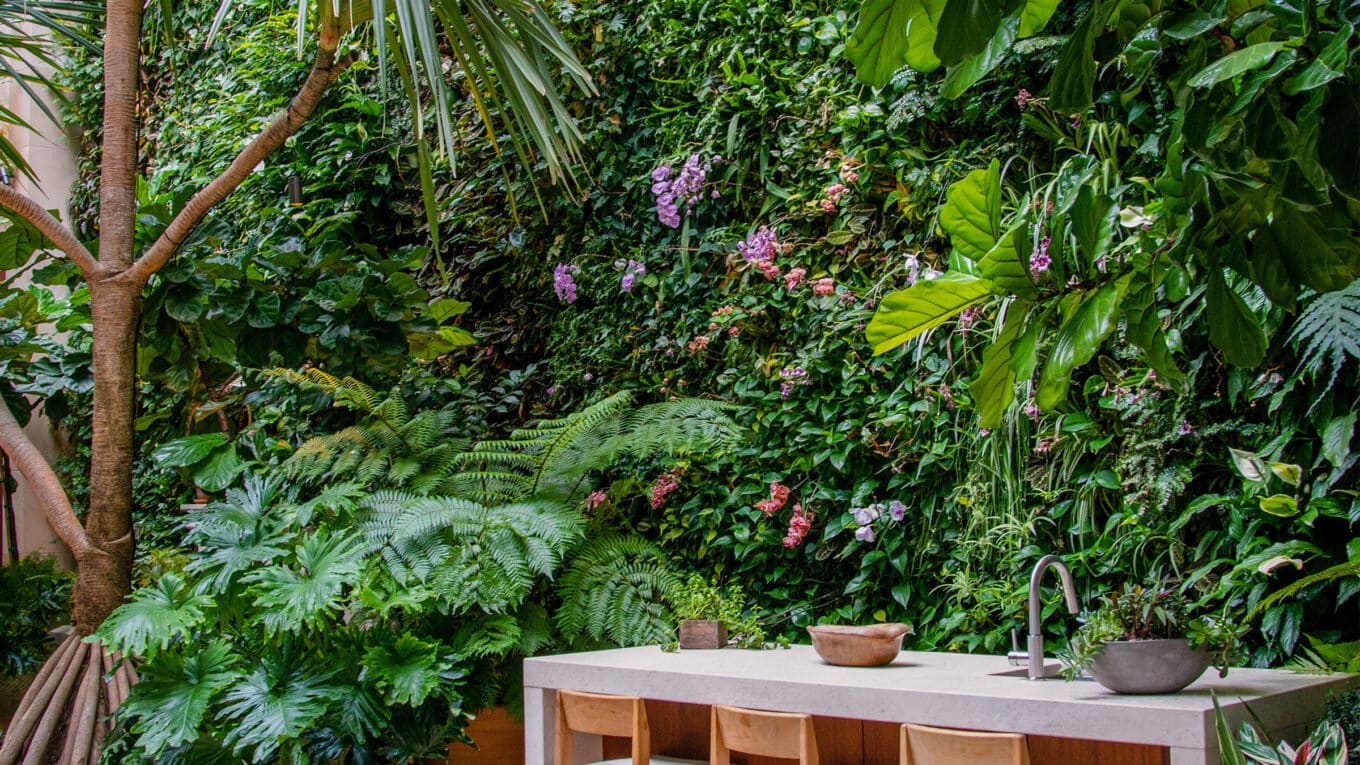
Besides investing in ventilation, the purchase of plants is a good addition. Plants have a natural air purifying effect and offer many other advantages at the same time. Not only inside classrooms are plants useful, but also in spaces like the central hall or canteen. In this article, we are happy to explain further what plants do to purify the air and how they can be applied effectively in schools.
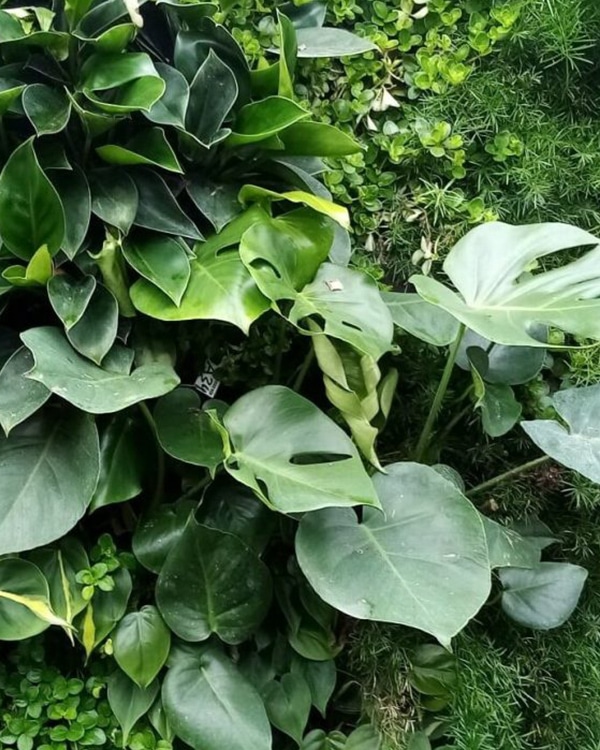
What plants exhale, we inhale – and vice versa! Plants filter fine dust from the air and convert CO2 (carbon dioxide) into oxygen. They thus serve as natural air purifiers. If you choose a green wall by Sempergreen, one square meter of green wall produces 1.7 kg of oxygen per year and removes 2.3 kg of CO2 from the air.
A term we increasingly encounter is ‘Sick Building Syndrome’ (SBS). Nowadays, buildings are very well insulated, which diminishes the influx of fresh air from outside. Harmful substances from building materials, such as benzene, xylene, and ammonia, continue to circulate inside. Working, learning, or living in a poorly ventilated space leads to complaints such as headaches, dry eyes, coughing, and loss of concentration. Studies confirm that the use of houseplants is an effective strategy to combat rising levels of indoor air pollution. Moreover, plants possess another unique feature: transpiration. This means that water is evaporated through the stomata of the plant. It has been demonstrated that plants can thus be utilized to improve humidity levels.
The SemperGreenwall is always planted with a carefully selected mix of plants. A number of these air purifying plants (on page 9) are already standard in the selection. Special planting requests can also be accommodated. The plants in a green wall contribute naturally to combating Sick Building Syndrome.
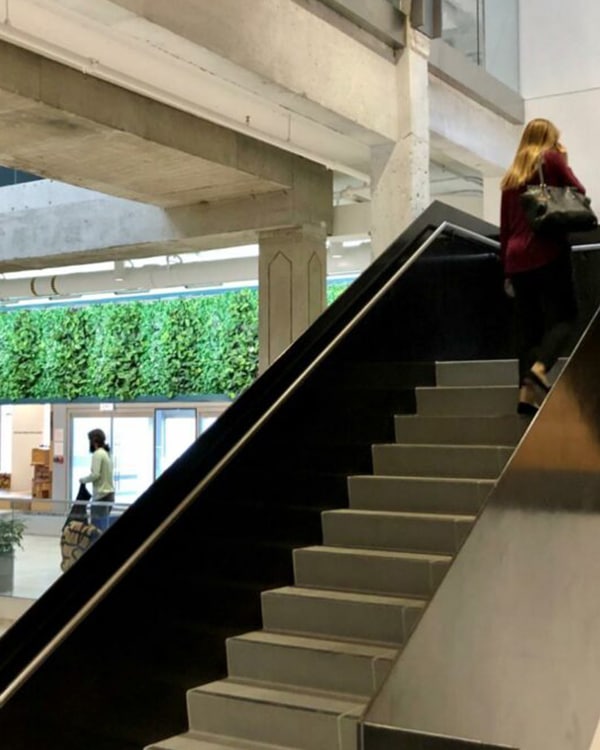
A green environment is a good learning environment. It has been proven that a classroom rich in nature creates an atmosphere where students become more creative and can concentrate better. Several studies have been conducted into the power of plants in classrooms. In a Portuguese study, the normal situation was measured for 3 weeks, followed by a 6-week period with the application of plants. The plants had significant effects on air quality: they found a 30% reduction in PM10, a threefold reduction in VOC (volatile organic compound) concentrations and a twofold reduction in CO2 levels.
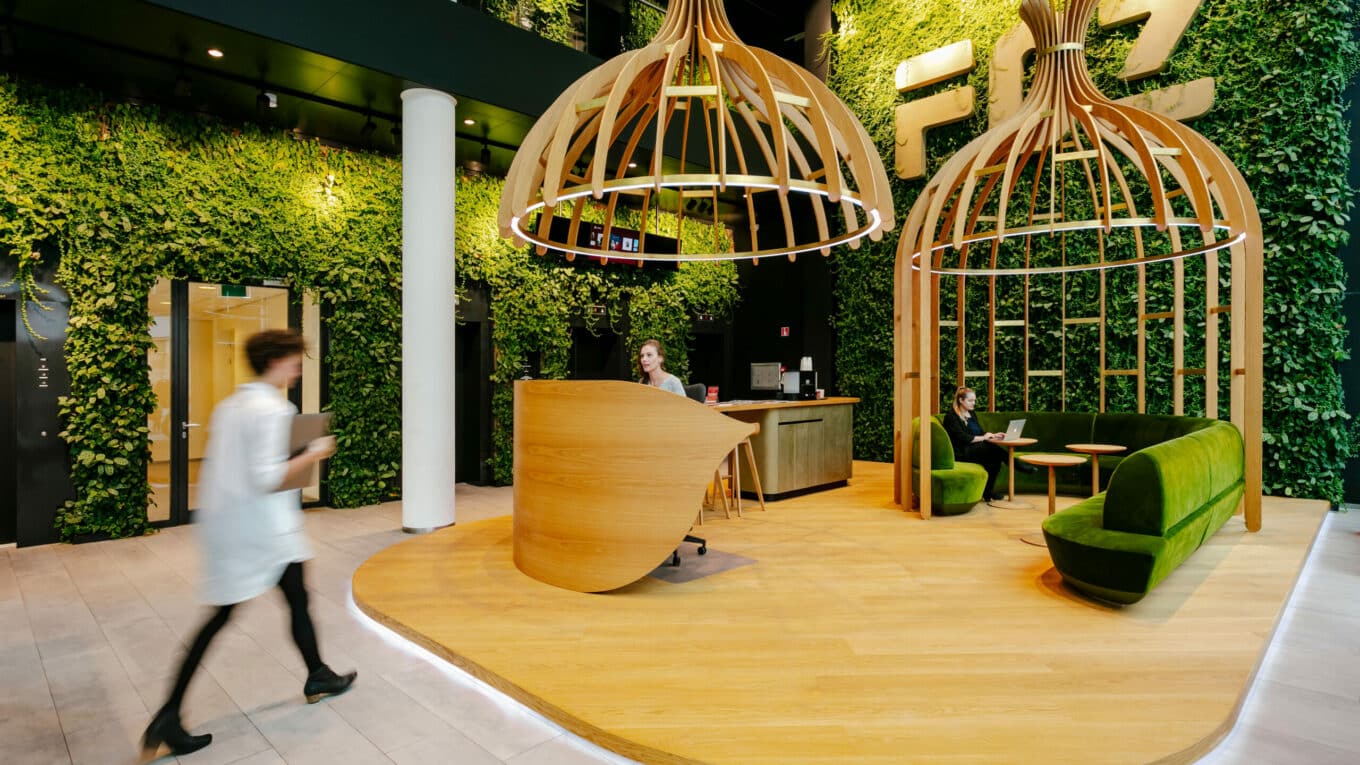
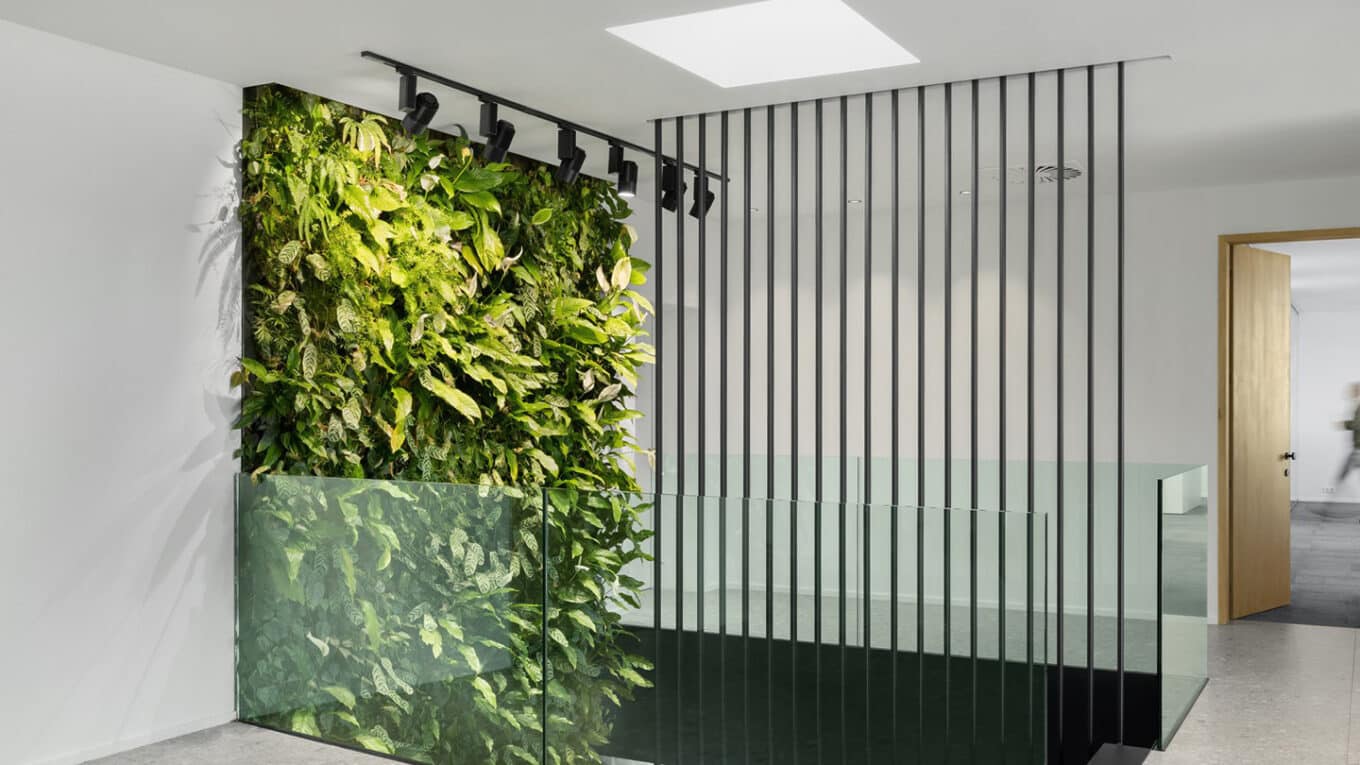
To achieve the maximum positive effect, you can opt for a living wall. This is a space-saving way of using many plants and it also improves the acoustics in the building. During open houses, this eye-catcher will also attract a lot of attention and can lead to more applications. Get inspired by the following 7 examples of schools that have implemented a vertical indoor garden!
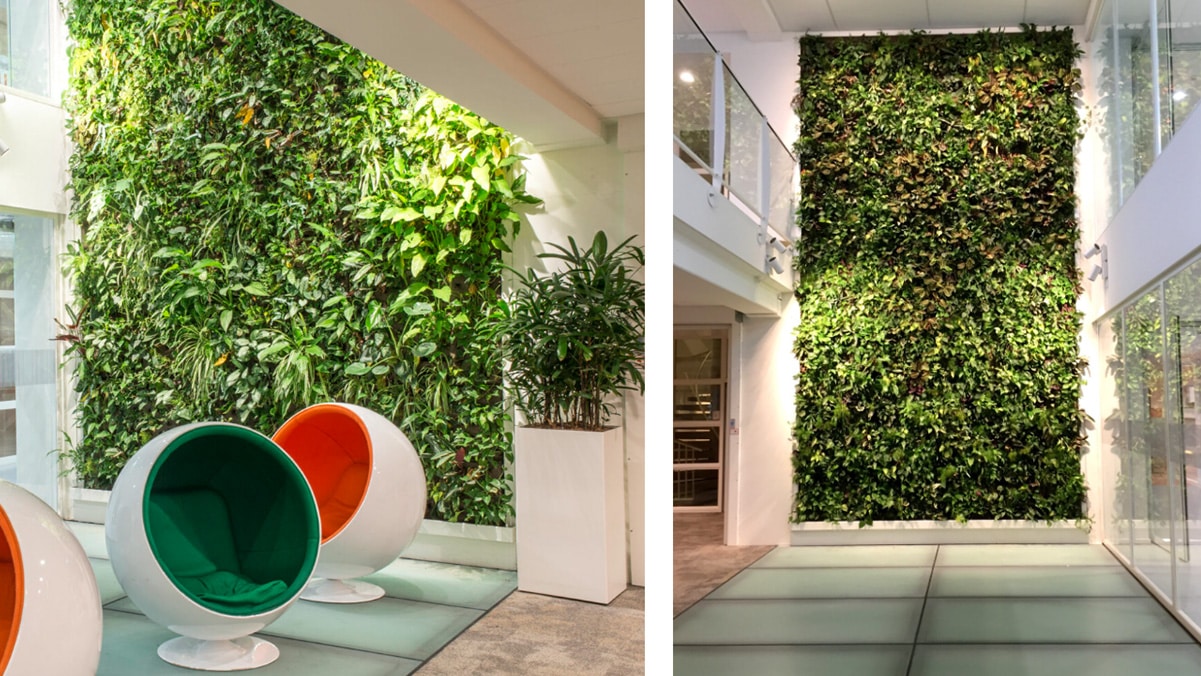
At Avans University of Applied Sciences in Den Bosch, students can enjoy a break in this green space. There are two green facades facing each other. The green walls extend from the ground floor to the top of the first floor. This allows one to admire the greenery from the corridor on the first floor as well. A beautiful green oasis for a break from the busy student life!
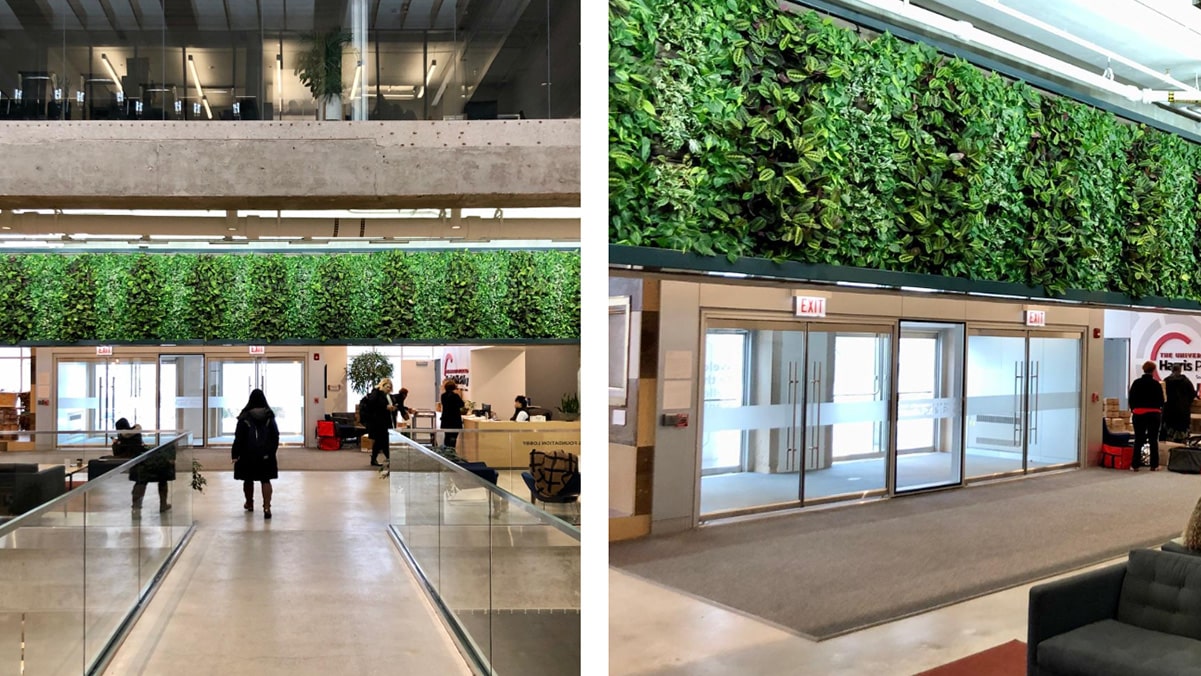
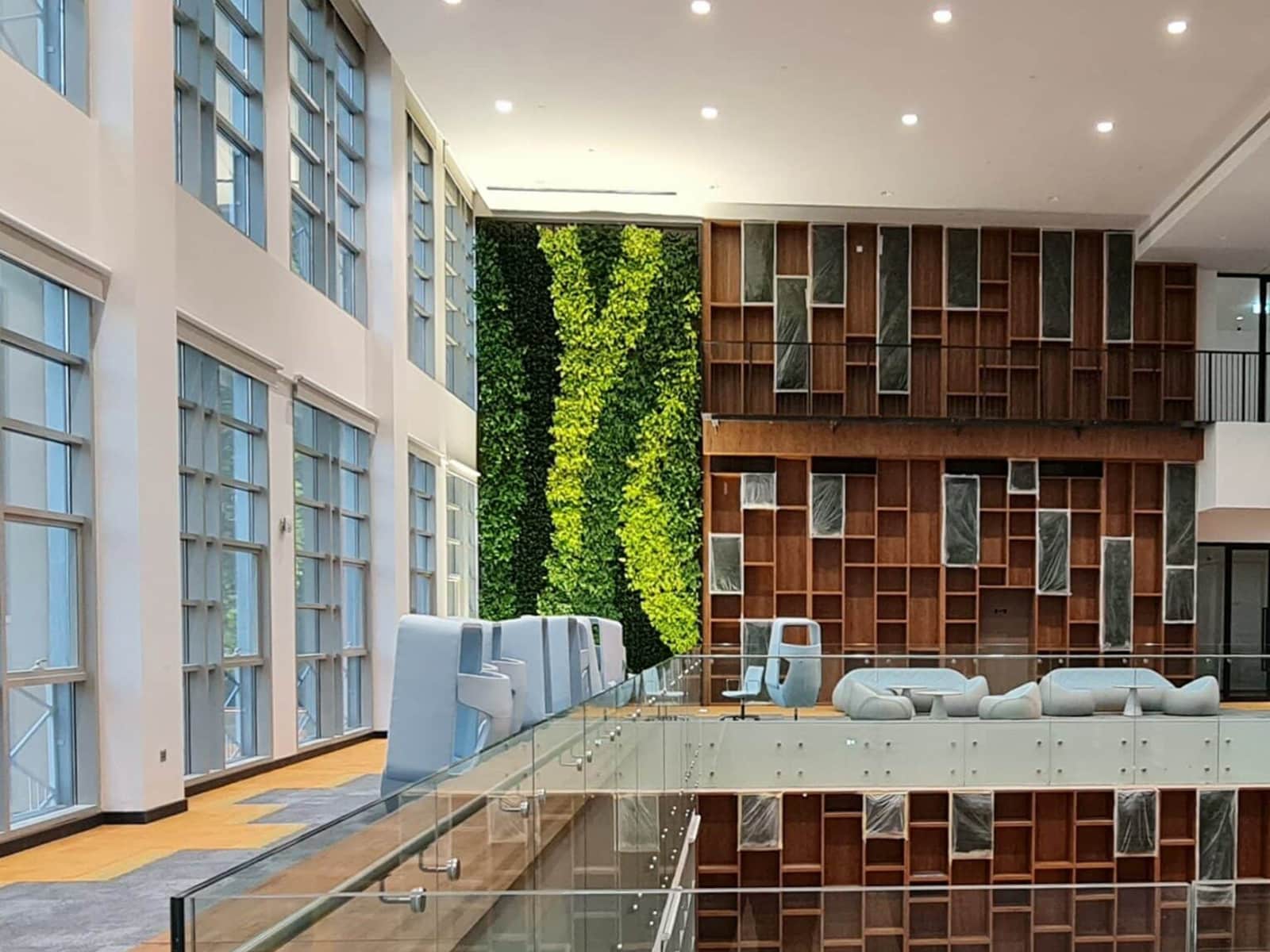
The SemperGreenwall at the Keller Center is a striking eye-catcher and a breath of fresh air for the Harris School of Public Policy at the University of Chicago. The green plant wall, spanning a total of 32 m² (350 sq ft), covers part of the concrete wall. The plants are planted in sections, creating a striped effect.
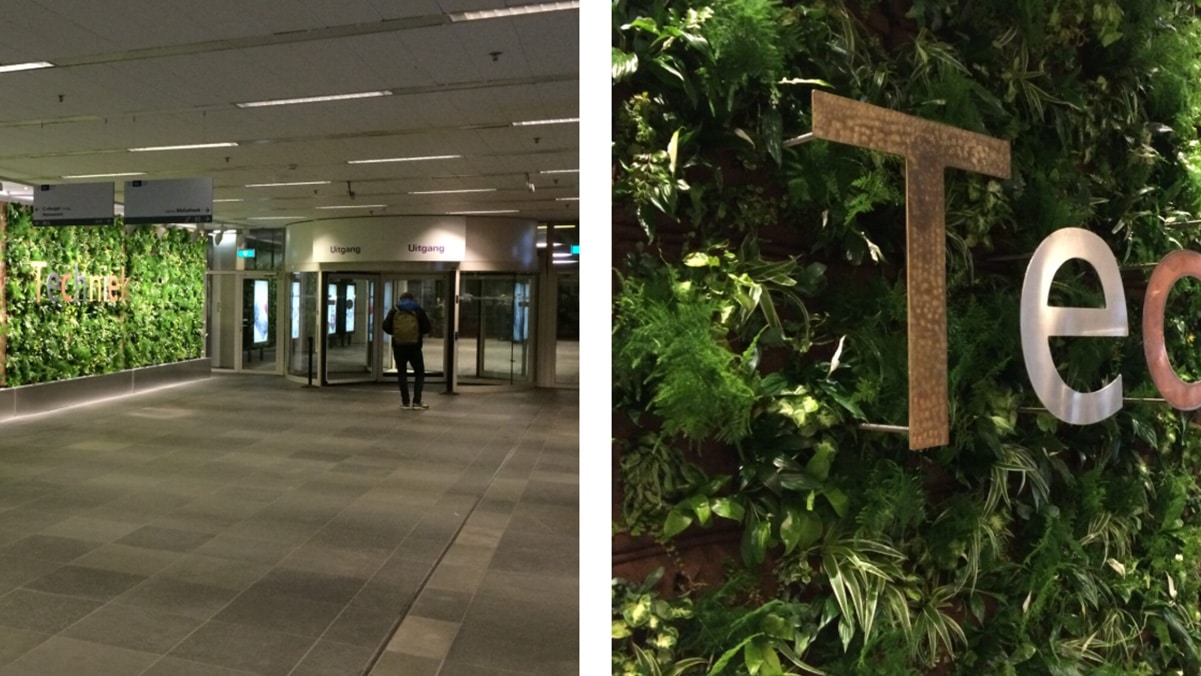
Upon entering the technology faculty of the University of Applied Sciences in Amsterdam, you will be warmly welcomed by this green wall. This CompactLine features an integrated water reservoir, indicating that no special water connection or technical room is necessary. The word ‘Technology’ has been affixed to the wall in bronze letters. There are various methods for adding signage to your wall.
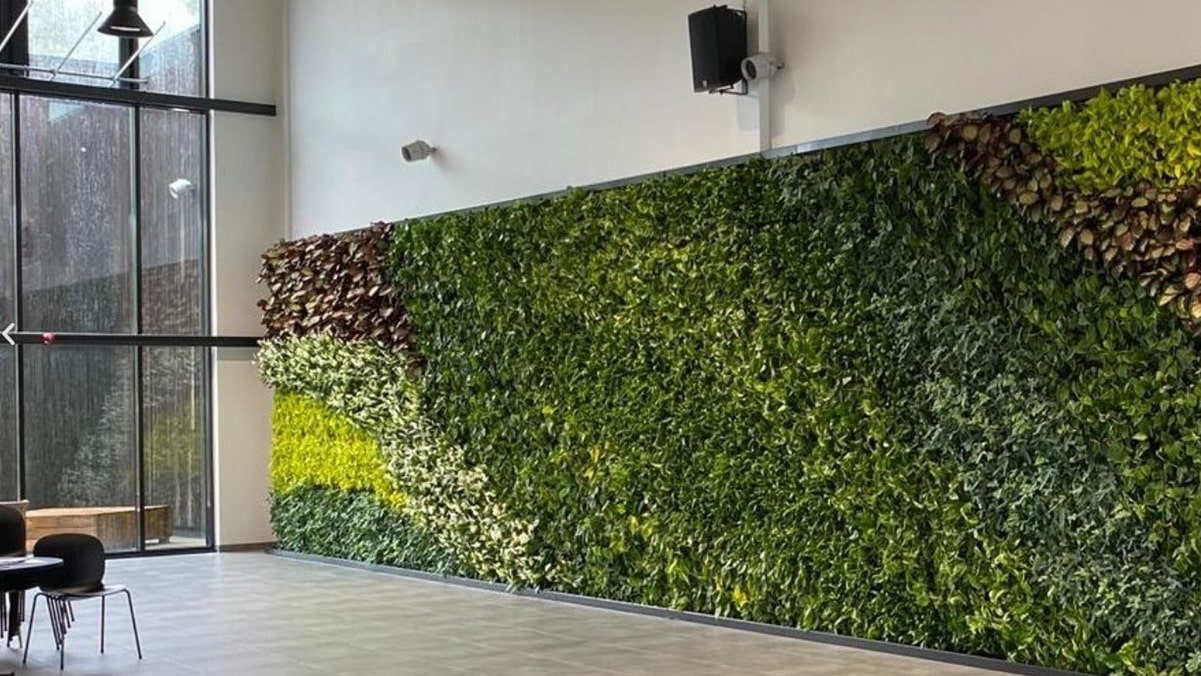
In Norway, a school cafeteria has been adorned with a green wall featuring a beautiful design. The wall, 52 feet wide and 11.5 feet high, appears like a painting! The selection of plants used includes Phlebodium ‘Blue Star’, Spathipyllum, Scindapsus Golden Pothos, and Epipremnum aureum. These are known for their effective air-purifying effect. So, the wall not only provides a pleasant learning environment but is also a beauty to behold!
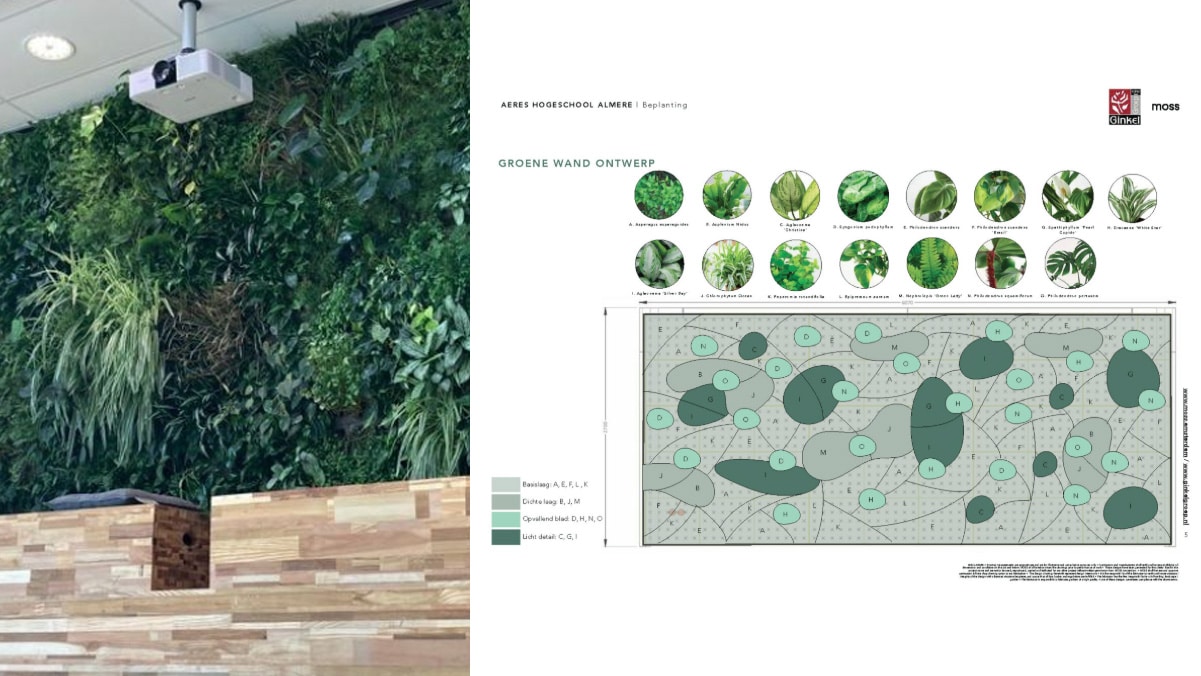
At the Floriade in Almere, a new school building has been constructed. The Aeres College has incorporated a stunning green wall in the presentation area. A special planting plan was devised for this wall. By utilizing plants of varying sizes, this plant wall achieves a beautiful 3D effect.
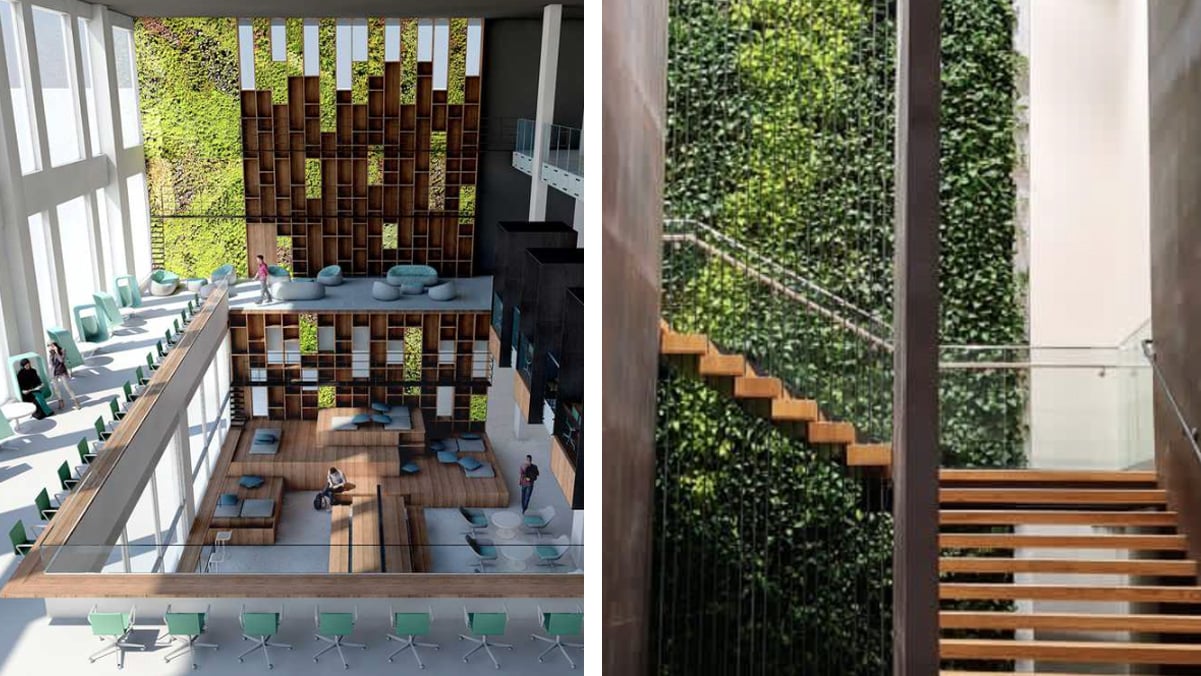
How to apply greenery so that it truly becomes a work of art? That is the SemperGreenwall in the library of the Rochester Institute of Technology. The plants are arranged in a colorful design and are a true eye-catcher.
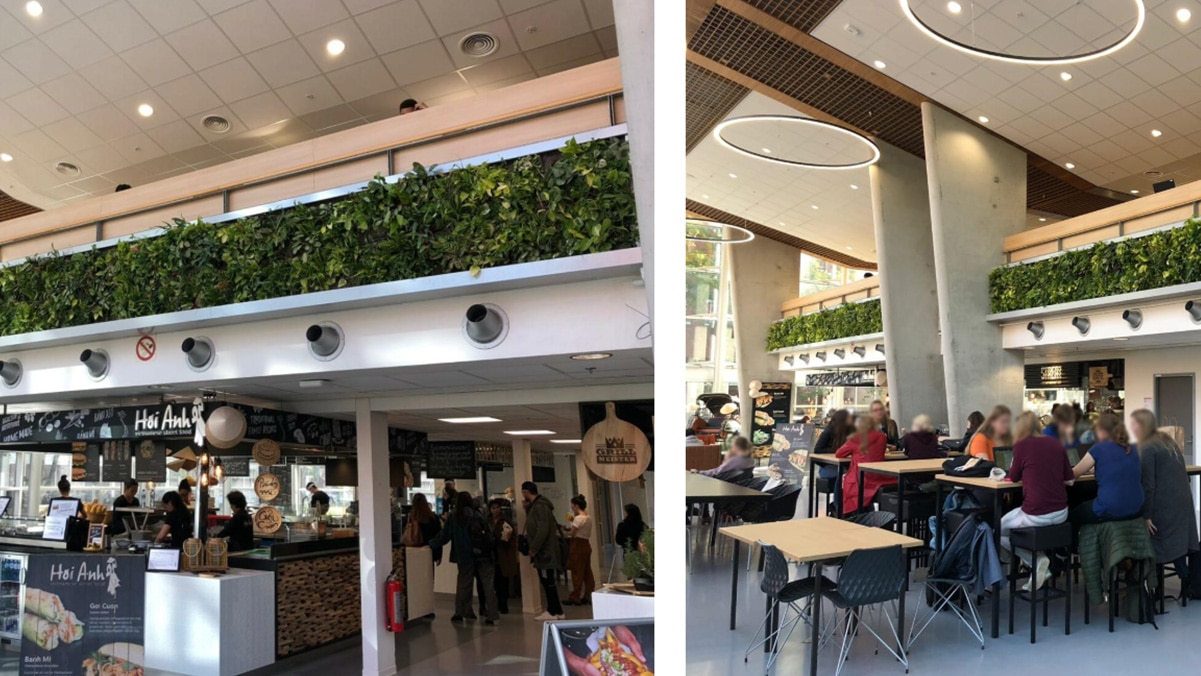
Size does not dictate impact. A strip of greenery has been installed in the cafeteria of Utrecht University of Applied Sciences. After dining in a pleasant environment, students can proceed to their next lecture fully rejuvenated.
Are you curious how a SemperGreenwall can provide your school building with clean air and also be a nice eye-catcher? Please contact one of our green specialists. We would be happy to advise you.
Sources
1: Wiersma: €140 million for additional ventilation improvement efforts. (2022, June 30). Rijksoverheid. Retrieved July 20, 2022, from https://www.rijksoverheid.nl/actueel/nieuws/2022/06/30/wiersma-%E2%82%AC140-miljoen-voor-extra-aanpak-verbetering-ventilatie
2: Dettmar, J., Pfoser, N., & Sieber, S. (2016). Expertise on Facade Greening. Technische Universität Darmstadt. https://www.umwelt.nrw.de/fileadmin/redaktion/PDFs/klima/gutachten_fassadenbegruenung.pdf
3: Armijos Moya, T., Ottelé, M., Van den Dobbelsteen, A., & Bluyssen, P. (2017). Green Air Conditioning – Using indoor living wall systems as a climate control method. ResearchGate. https://www.researchgate.net/publication/326295347_Green_Air_Conditioning_-_Using_indoor_living_wall_systems_as_a_climate_control_method
4: National Education Guide. (2022, February 23). Plants help against standardized test stress, so fill your classroom with them. Retrieved July 20, 2022, from https://www.nationaleonderwijsgids.nl/basisonderwijs/nieuws/60690-planten-helpen-tegen-cito-stress-dus-zet-je-klaslokaal-helemaal-vol.html
5: De Visser, P. (2017). Air purification by house plants. Wageningen Plant Research. https://edepot.wur.nl/423129

Ready to make a difference? At Sempergreen, we believe in building a greener future, one step at a time. Our innovative solutions are designed to help you decrease your footprint and contribute to a more sustainable world. Join us in replanting the planet!