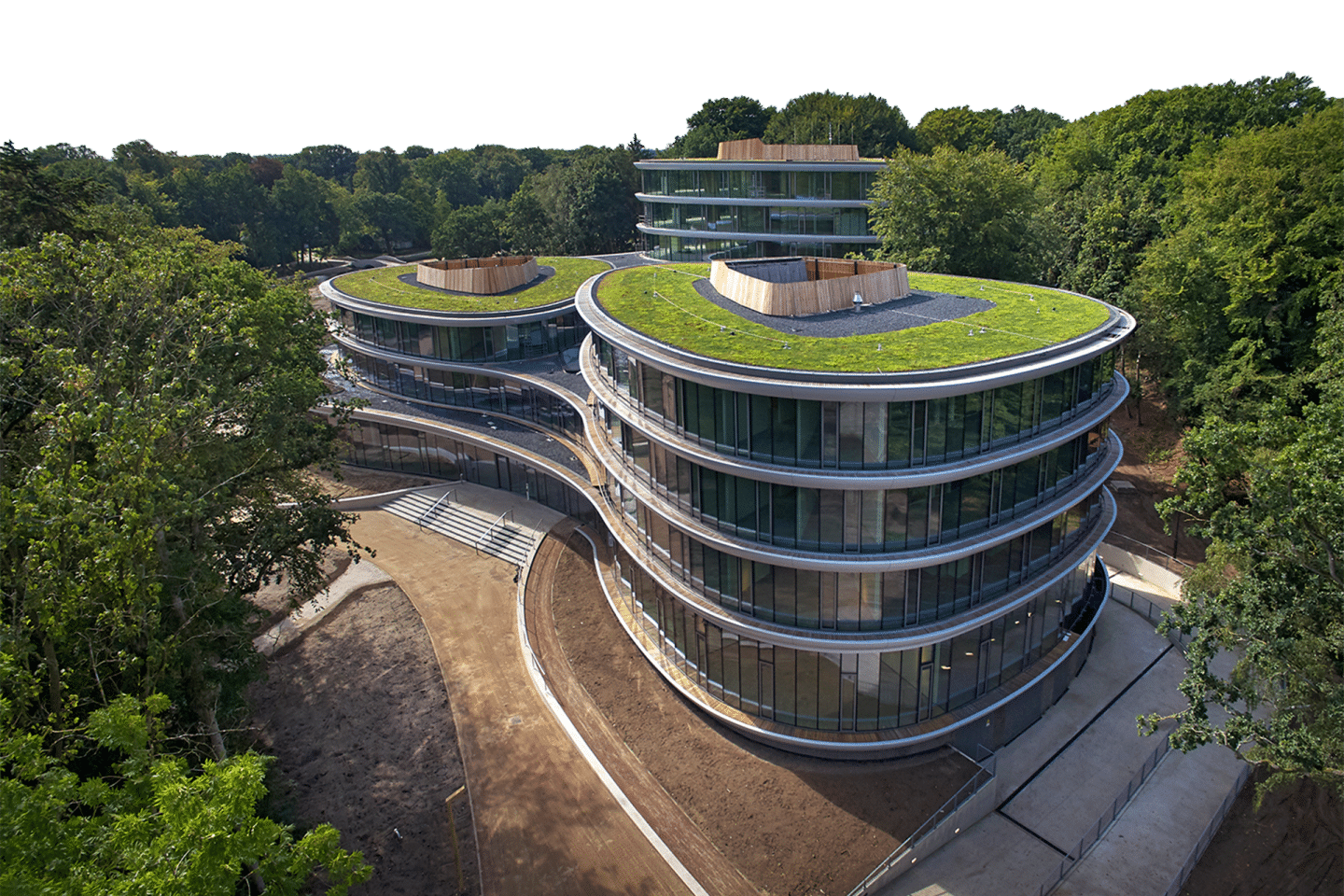
Buildings as Stormwater Solution
Unused roofs and facades function as active buffers that absorb, retain, and reuse rainwater.
Heavy rain and overloaded sewers cause flooding and damage. At the same time, cities waste valuable water that could be reused. Smart water management solves both: rain is captured, stored, and reused where possible. This prevents flooding, reduces pressure on infrastructure, and saves drinking water – turning a challenge into a sustainable resource.
Unused roofs and facades function as active buffers that absorb, retain, and reuse rainwater.
Sempergreen provides a solution for every project, capturing rainwater at the source and releasing it gradually to protect drainage systems.
Our system is ideal for green roofs with a planned slope up to 5 degrees, unique for green roofs, for both new constructions and renovations.
Urban infrastructure can’t handle today’s extreme rainfall. By buffering water where it first falls, on the roof! Sempergreen helps cities adapt. Our blue-green roof systems are integrated to store and slowly release water, reducing flood risk and making better use of our stormwater. An all-in-one solution.
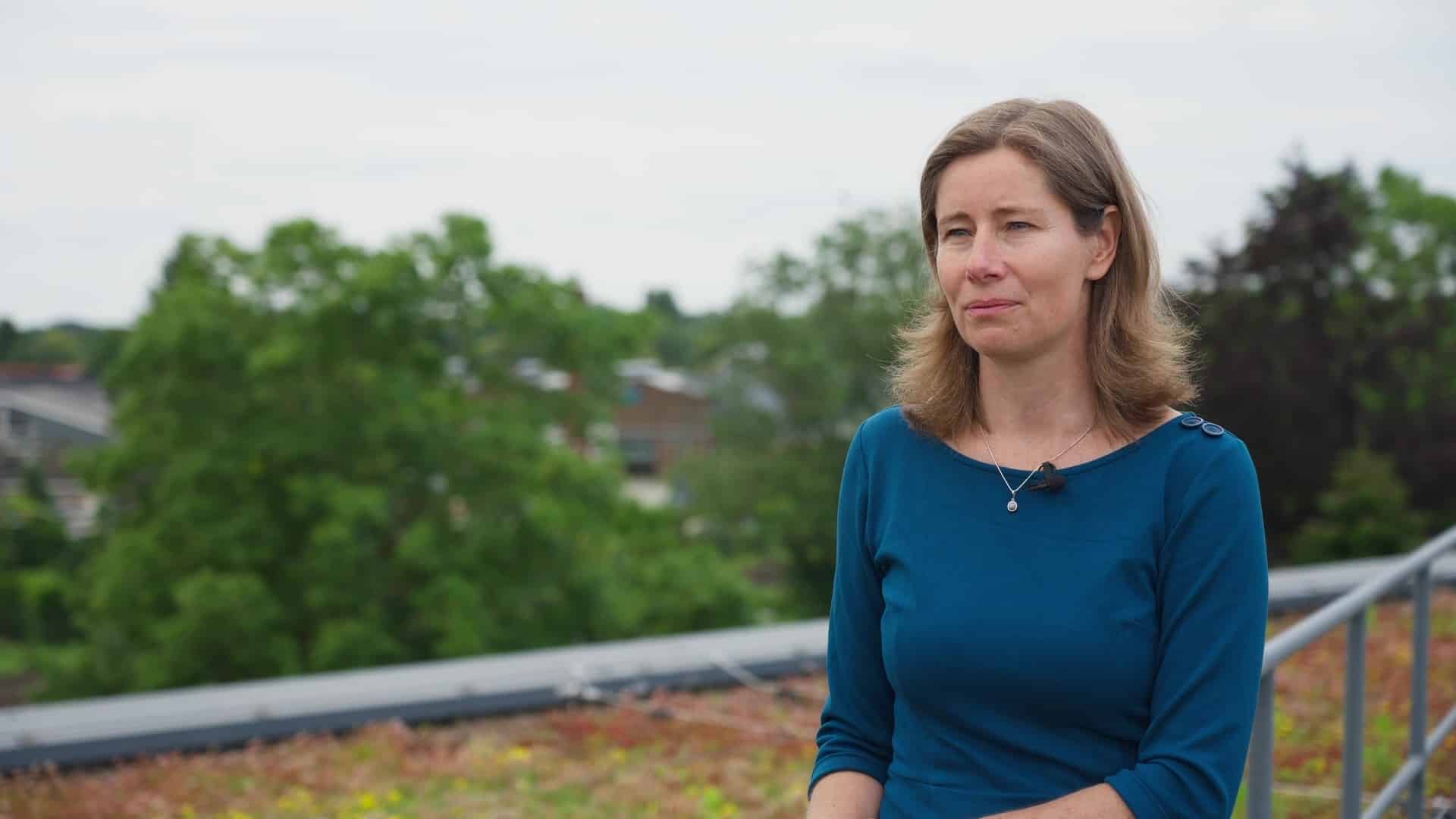
"Collecting water is one of the functions of a roof. But as you can see, it's thriving: biodiversity and climate adaptation."
Rainwater used to run into the factory in this paved environment. Now, 6,329 ft² of retention roof keeps it out.

Climate change leads to heavier rainfall and increasing flood risks. Our green solutions capture and store water, reducing pressure on sewers. With intelligent water management, every building can contribute to the solution. How will your project combat floods the green way?
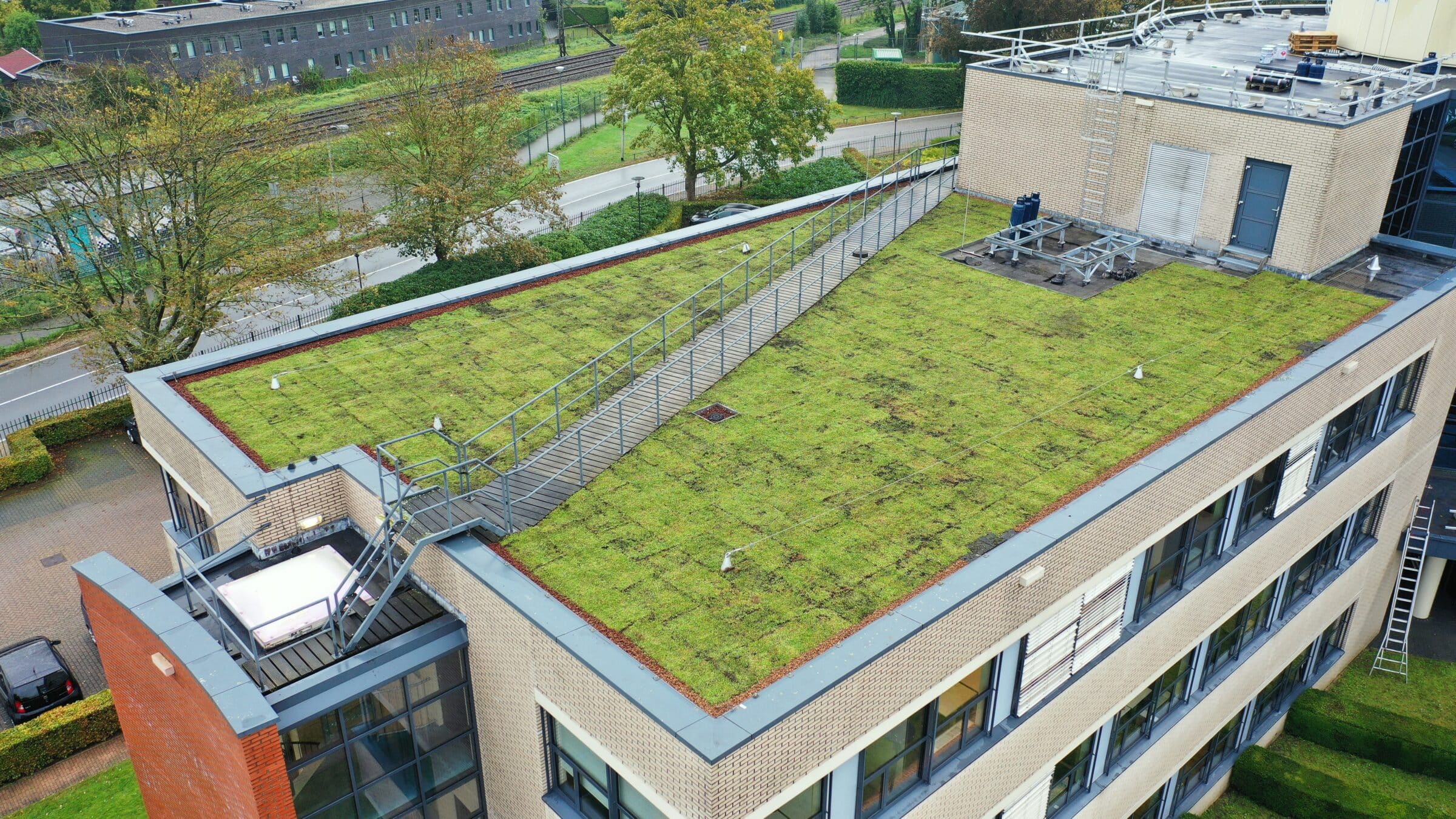
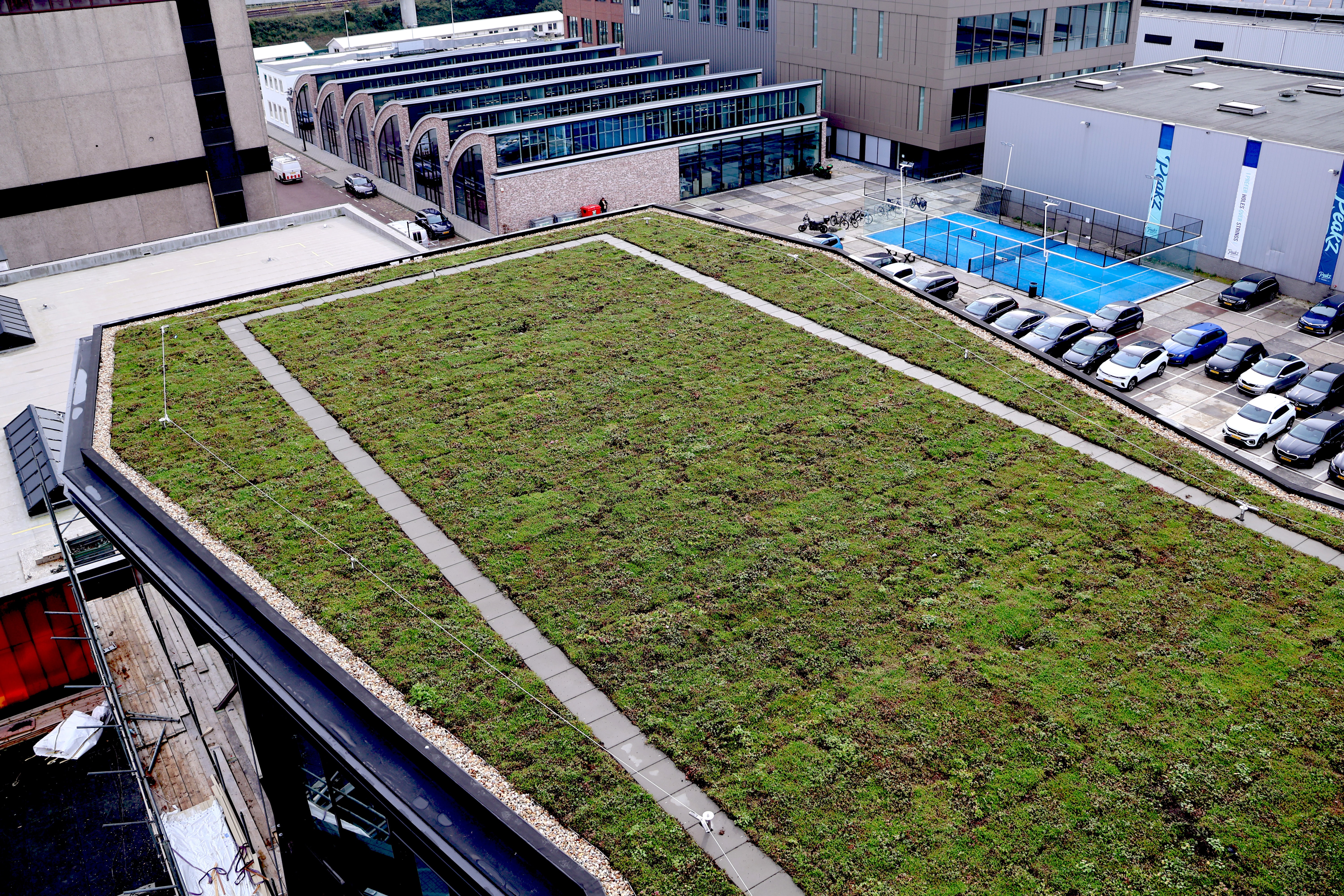


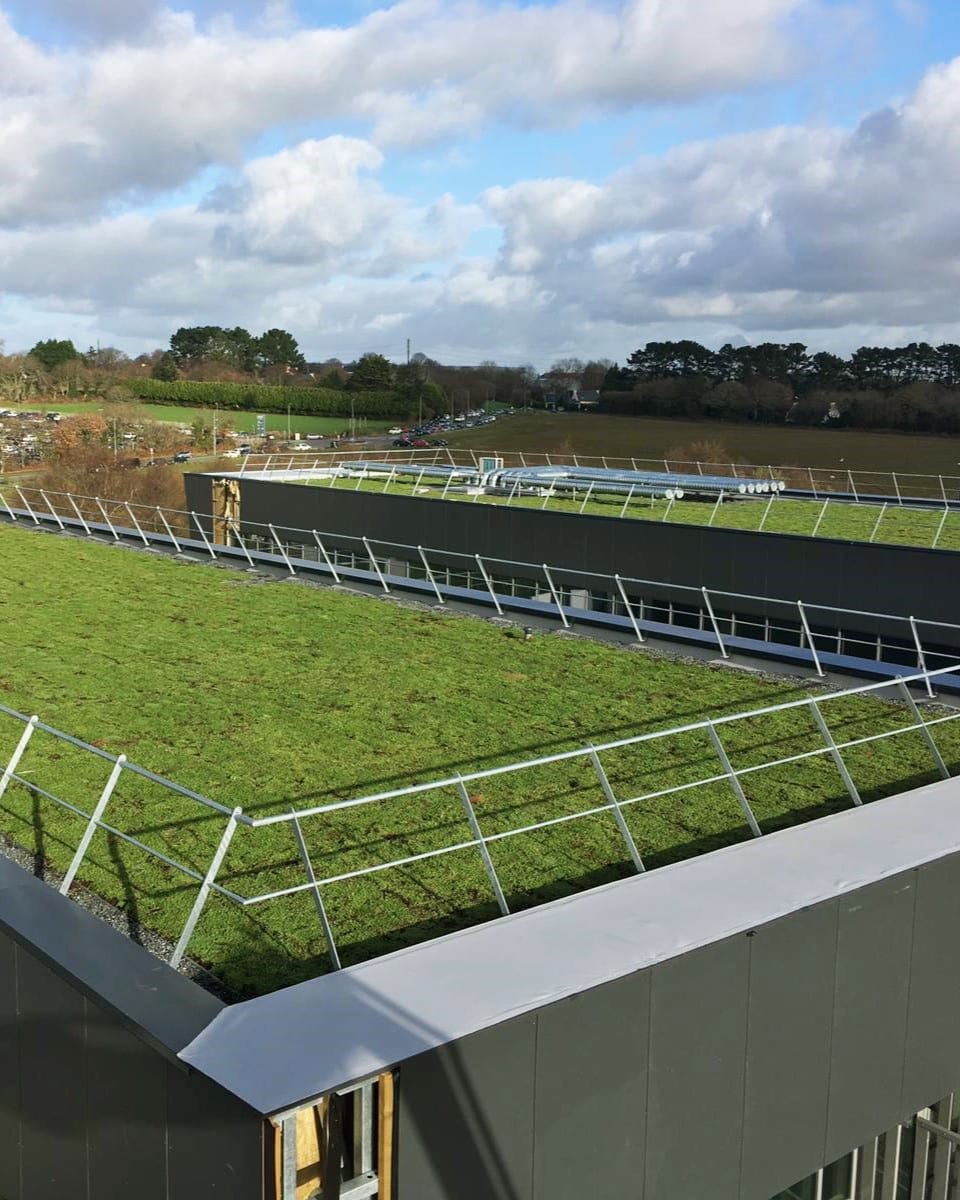
Maximize your roof’s potential with a Sempergreen Purple-Roof. Unlike traditional roofs that channel rainwater straight into the sewer, the Purple-Roof is a green roof system pioneering stormwater detention in both vegetated and non-vegetated areas, optimizing retention to meet your project’s storage needs.
Beyond functionality, it enhances living spaces, supports healthier environments, and contributes directly to climate adaptation, serving as a full stormwater management solution that can even replace ponds and tanks.

Feeling a bit overwhelmed with questions? Don’t worry! We’ll help you find the right solution for your project. With just a few quick questions, we’ll help you find the right approach and system for your project. You’ll receive customized advice to make water work for you.
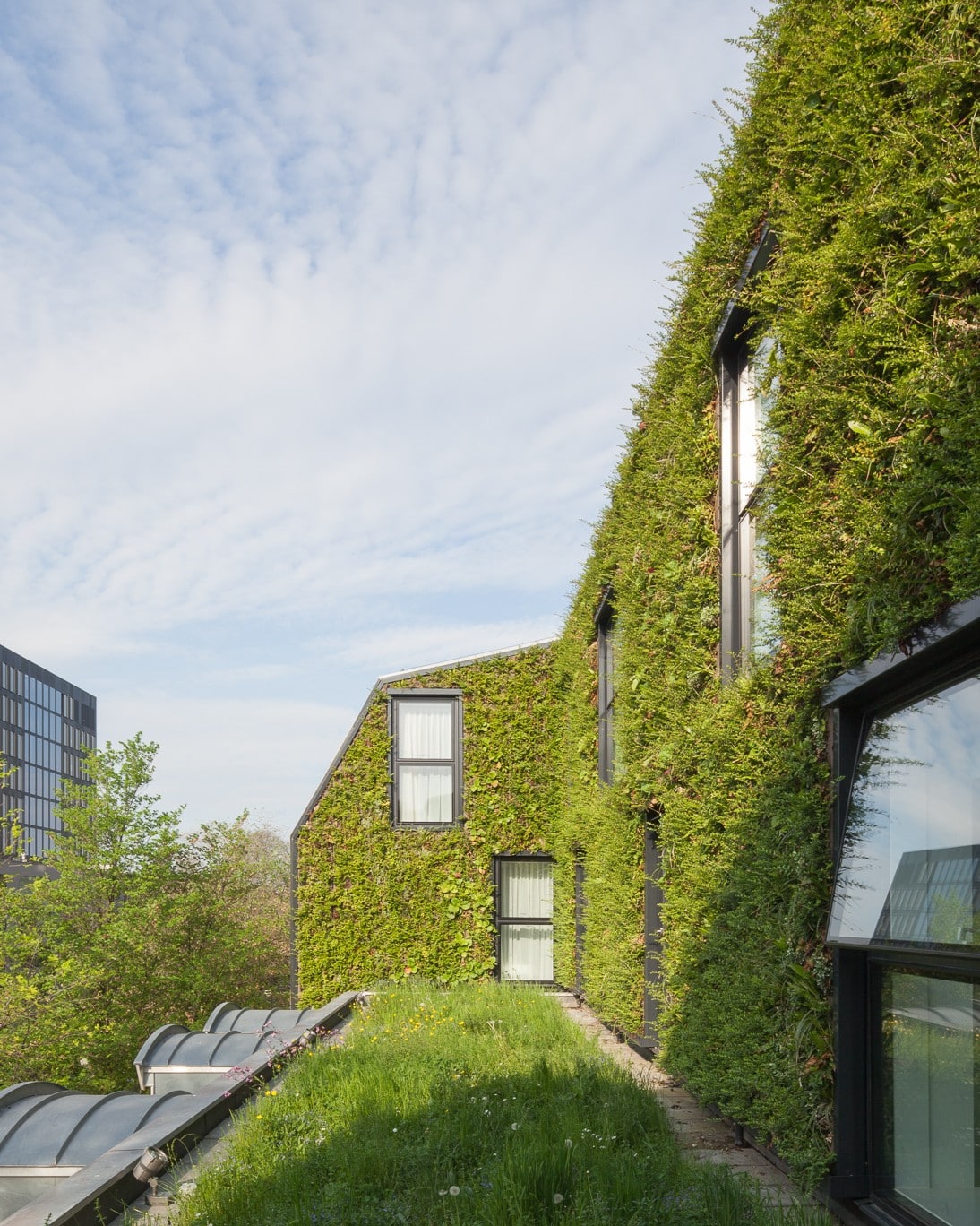
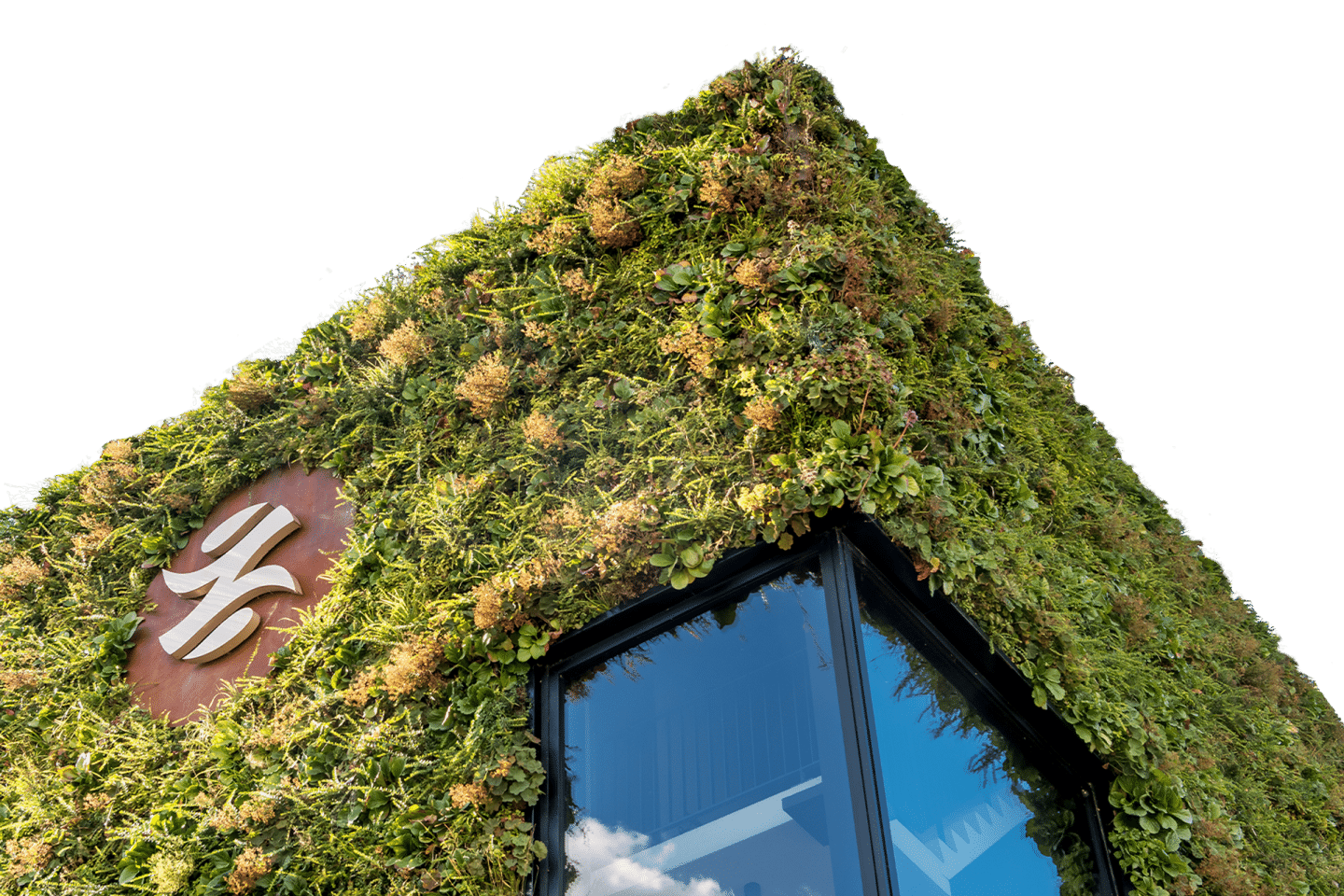
Sempergreen living walls store rainwater in the plants and substrate, releasing it gradually through evaporation. This slows runoff, filters water naturally, and returns it gently to nature. Our systems are designed to reuse both rainwater and purified graywater for irrigation – reducing drinking water use, lowering costs, and extending equipment lifespan thanks to scale-free water. The plants benefit from a natural pH, while cities benefit from healthier, more resilient environments. A living wall that works as hard as it looks.
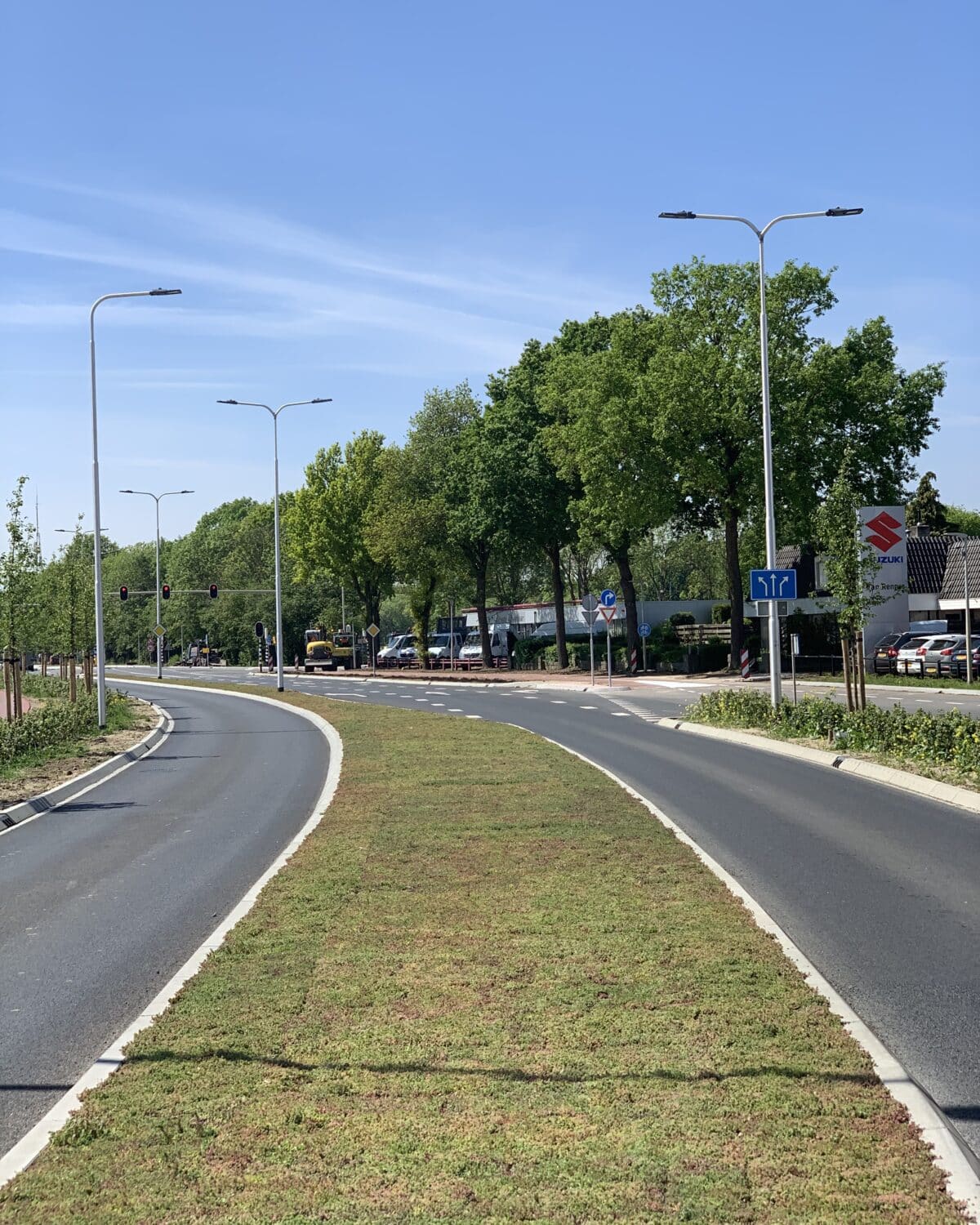
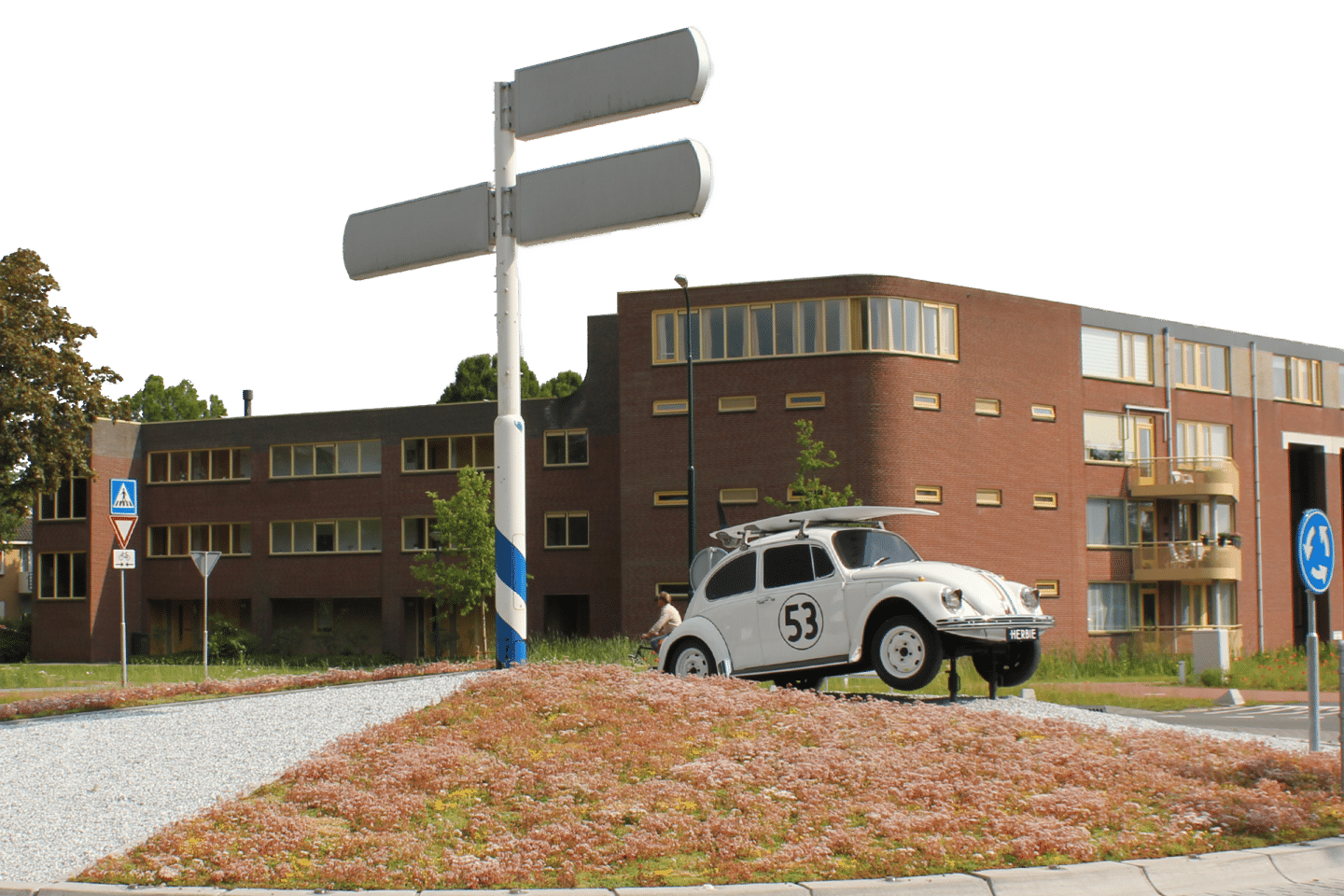
Green ground cover transforms paved or unused areas into living, climate-resilient spaces. It absorbs rainwater, delays runoff, and filters it naturally, helping to stabilize groundwater levels and prevent flooding. Our projects, such as green tram tracks, capture large volumes of rainwater that are slowly released and absorbed by the plants. This cooling, vibrant layer also improves air quality, boosts biodiversity, and creates a healthier, more pleasant urban environment. By replacing gray surfaces with green, cities become more resilient, attractive, and better prepared for extreme weather.
Sempergreen offers proven systems that combine water storage, vegetation, and design flexibility. Whether you are working on a rooftop, facade, or infrastructure project, our solutions are ready to install and assist your project in meeting climate goals.
Discover our latest blogs on stormwater management, filled with insights, tips, and inspiration for greener, climate-resilient cities.

We answer the most frequent questions regarding system capacity, design alternatives, and compliance with climate policy. Require something more specific? Simply contact us directly.
A standard green roof system like Purple-Roof can retain most of the rainfall during warm periods, reducing immediate drainage needs and alleviating pressure on sewer systems. The Water Retention Boxes offer quantifiable storage capacity, allowing architects and builders to accurately design retention systems suited to local rainfall demands or regulatory requirements.
Green roofs contribute to flood prevention and mitigation by absorbing and buffering stormwater. Depending on the amount of water storage needed within your project and the roof construction, you can choose between a regular green roof, a Detention Roof, or a Retention Roof.
A blue-green roof combines rainwater retention and storage (blue) with vegetation (green). It temporarily stores rainwater and uses it for irrigation of the plants or releases it gradually into the drainage system. The blue layer is a water retention system that buffers rainfall. This stored water can later evaporate or be used to irrigate the green layer. The green layer, typically consisting of Sedum, herbs, or grasses, provides cooling, improves air quality, and enhances biodiversity. By combining water management with vegetation, a blue-green roof is a multifunctional solution for stormwater management, climate adaptation, and urban livability.
A conventional roof drains almost all rainwater immediately, with a runoff coefficient of around 0.9 to 1.0 in urban environments. This means nearly all rainfall flows directly into the sewer. In contrast, an extensive green roof has an average runoff coefficient of 0.5 to 0.7. This indicates that 50 to 70 percent of the rainfall is drained, while the rest is temporarily retained in the vegetation, substrate, and drainage layers. By buffering and delaying runoff, a green roof helps reduce peak loads on sewer systems and lowers the risk of flooding during heavy rain events.
Yes, every green roof absorbs and buffers water. The best green roof for your project depends on the amount of water storage required and the roof construction. Sempergreen offers two green-blue roofs for storing or buffering large amounts of rainwater during peak rainfall: the Detention Roof and the Retention Roof.
A SemperGreenwall uses significantly less water than other systems. Fleece-based systems that flush the wall with a continuous water application apply twice as much water as needed since most of the water falls out at the bottom and flows to the drain. Boxed, or encased green walls have many gaps through which the water can escape, and soil-based systems tend to form channels through which the water can escape. A SemperGreenwall uses less water than the other systems because of the efficiency of the Plant Care System. The Plant Care System minimizes outflow through programs that are specially adjusted to every season.