- Future proof
- Innovation
Green data centers: The future of sustainable technology
In recent years, sustainability has been the keyword in construction. Sustainable construction or renovation is actually no longer an option, it is a requirement. From 2020, according to European legislation, only sustainable houses may be built. When choosing your building materials, you want to be sure, of course, that they truly are sustainable. You may have heard that a green roof is a sustainable choice for a roof renovation or new construction project. But just how sustainable is a green roof? In this article, we zoom in on the ecological and economic value of a green roof and provide an overview of all the certifications available in the field of sustainable, bio-based, or circular construction.
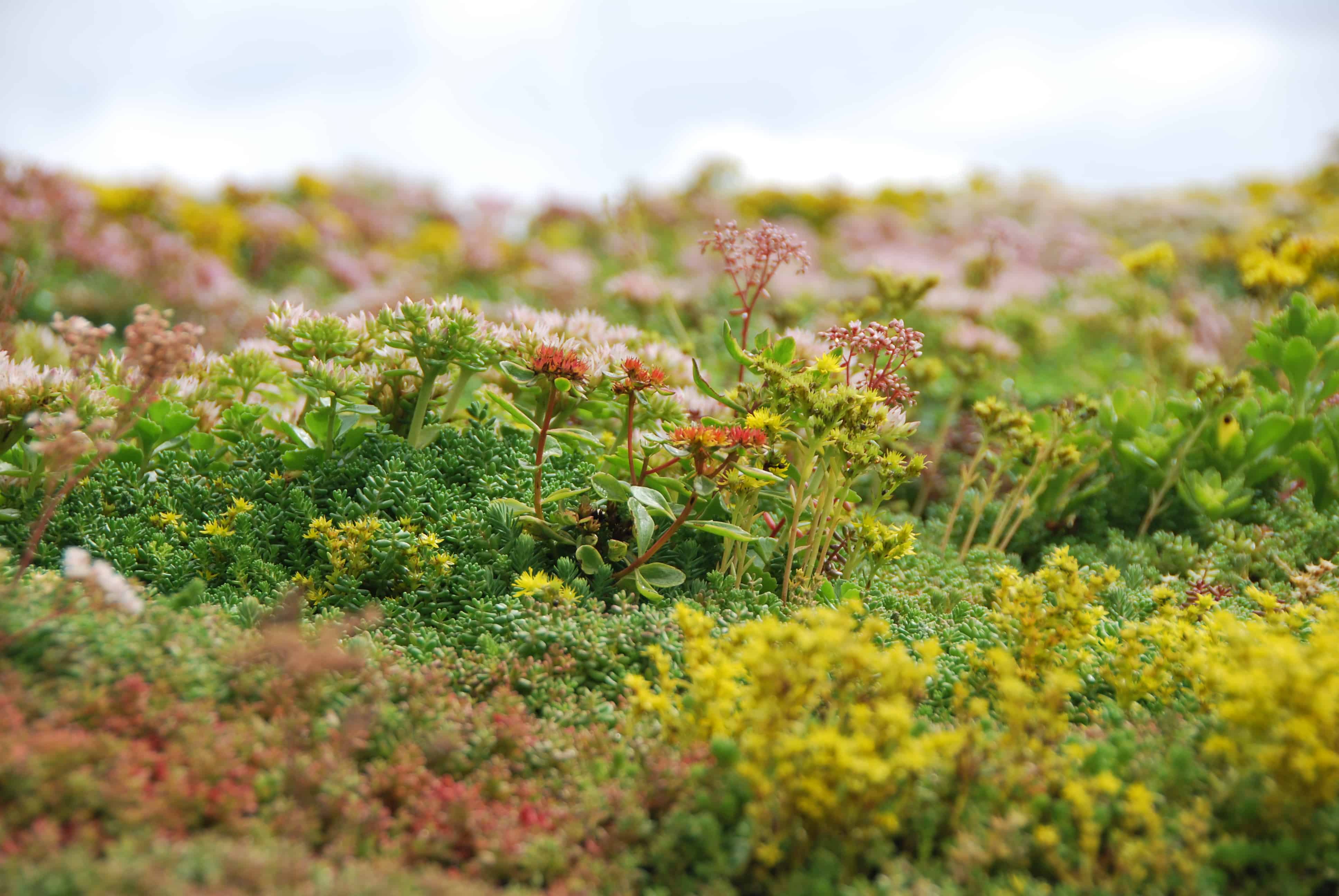
Let’s start at the beginning; what is a green roof? A green roof, Sedum roof or vegetation roof is a roof where vegetation, i.e., plants, are installed on top of the waterproofed roof covering. There are many different types of green roofs. The choice for a specific type of green roof depends on the structure of the roof (flat or sloping), the load-bearing capacity of the building (do you need a lightweight green roof, or can the roof support a heavier green roof), the type of planting (Sedum, grass, herbs) and the purpose for which you want to install a green roof (biodiversity, water storage, solar energy generation). As you can see, there is a lot to choose from when it comes to a green roof.
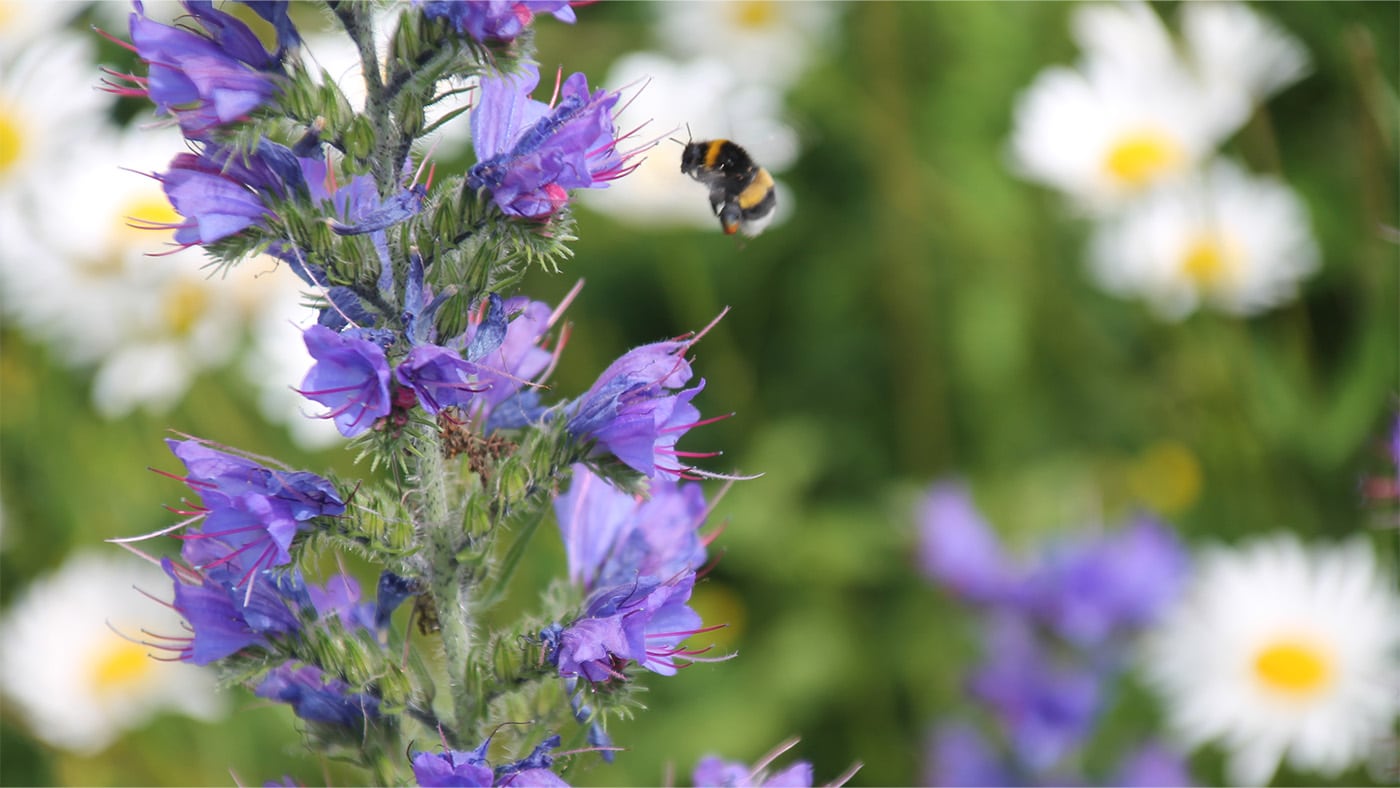
Great news! A green roof offers numerous advantages for both people and the environment. Here are just a few of the many benefits: a green roof enhances local biodiversity, buffers rainwater during heavy downpours, boosts the efficiency of solar panels, purifies the air of fine particles and converts CO2 into oxygen, reduces noise pollution through the dampening effect of the vegetation, and positively impacts human well-being. And that’s just the beginning. There are also economic advantages to a building with a green roof. Thanks to the greening, the property value increases. Would you like to learn more about the benefits of a green roof? Then click here.
Installing a green roof on your building contributes to its sustainability in several ways. In the previous section, you were introduced to the various environmental benefits provided by a green roof.
Moreover, a green roof can significantly extend the life of your roofing. Vegetation shields a bitumen roof covering from the detrimental effects of sunlight. Bitumen actually degrades more quickly when exposed to sunlight. It also greatly diminishes the impact of wind, rain, and temperature fluctuations on the roof covering. With a green roof, you can prolong the lifespan of your roofing by decades (sometimes up to 60 years!).
Planning to pair your green roof with solar panels? Then your green roof will enhance the efficiency of the solar panels by 6-10% while simultaneously reducing your energy expenses. This is because the vegetation lowers the surrounding temperature, and solar panels operate better and more efficiently at cooler temperatures. That makes it doubly sustainable!
Sustainable building focuses on the environmental impact throughout the entire lifespan of the building. This includes all stages from design, construction, and use to renovation or demolition of the structure. When engaging in sustainable construction, it’s also important to be able to demonstrate this commitment externally, for example, to prospective buyers or tenants. You can validate the sustainability of your building with a sustainability certificate. Are you looking to acquire a sustainability certificate for your project? Then installing a green roof always positively influences the acquisition of points for a certificate. A sustainability rating system evaluates a range of measures implemented in a project, and the application of a green roof is one of these measures.
In the realm of sustainable building, there are various certificates. We have listed them for you below:
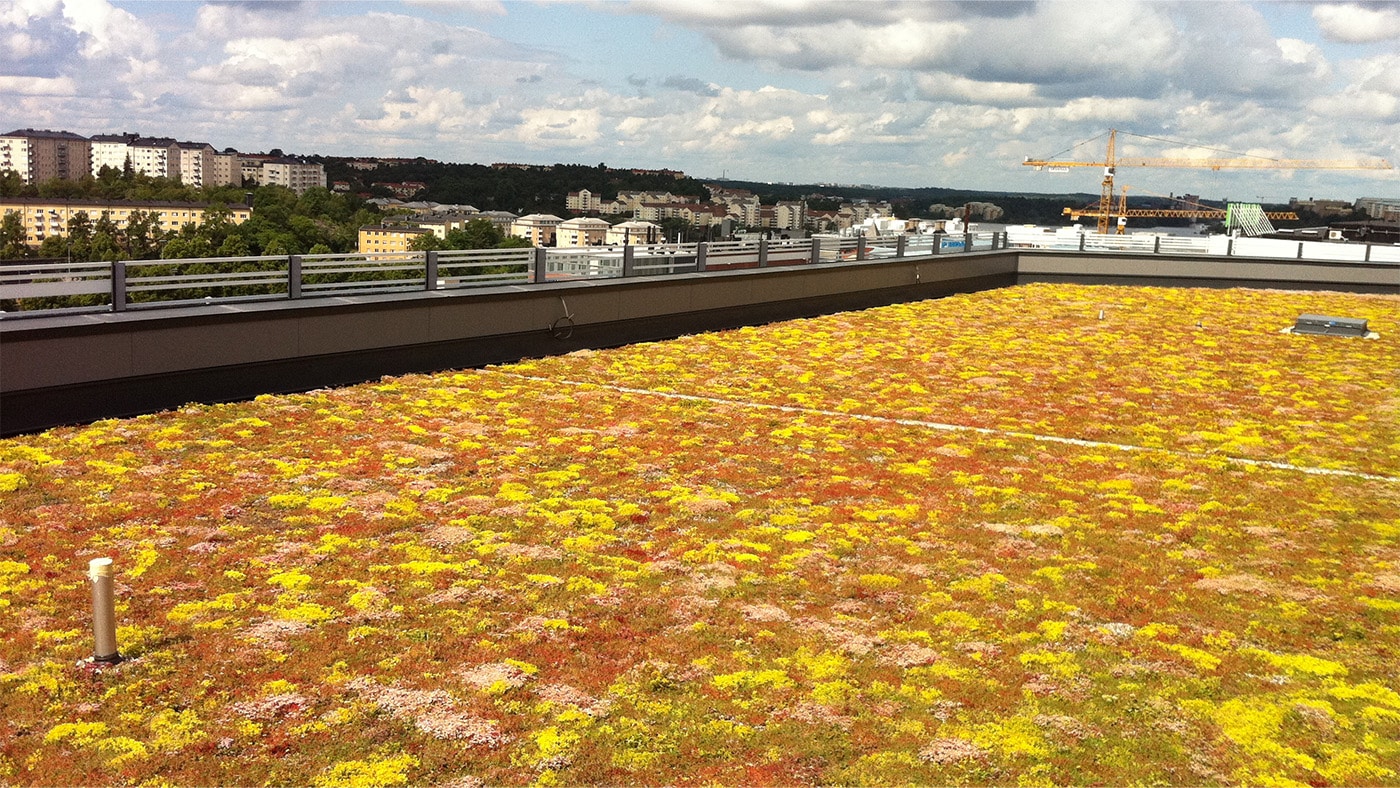
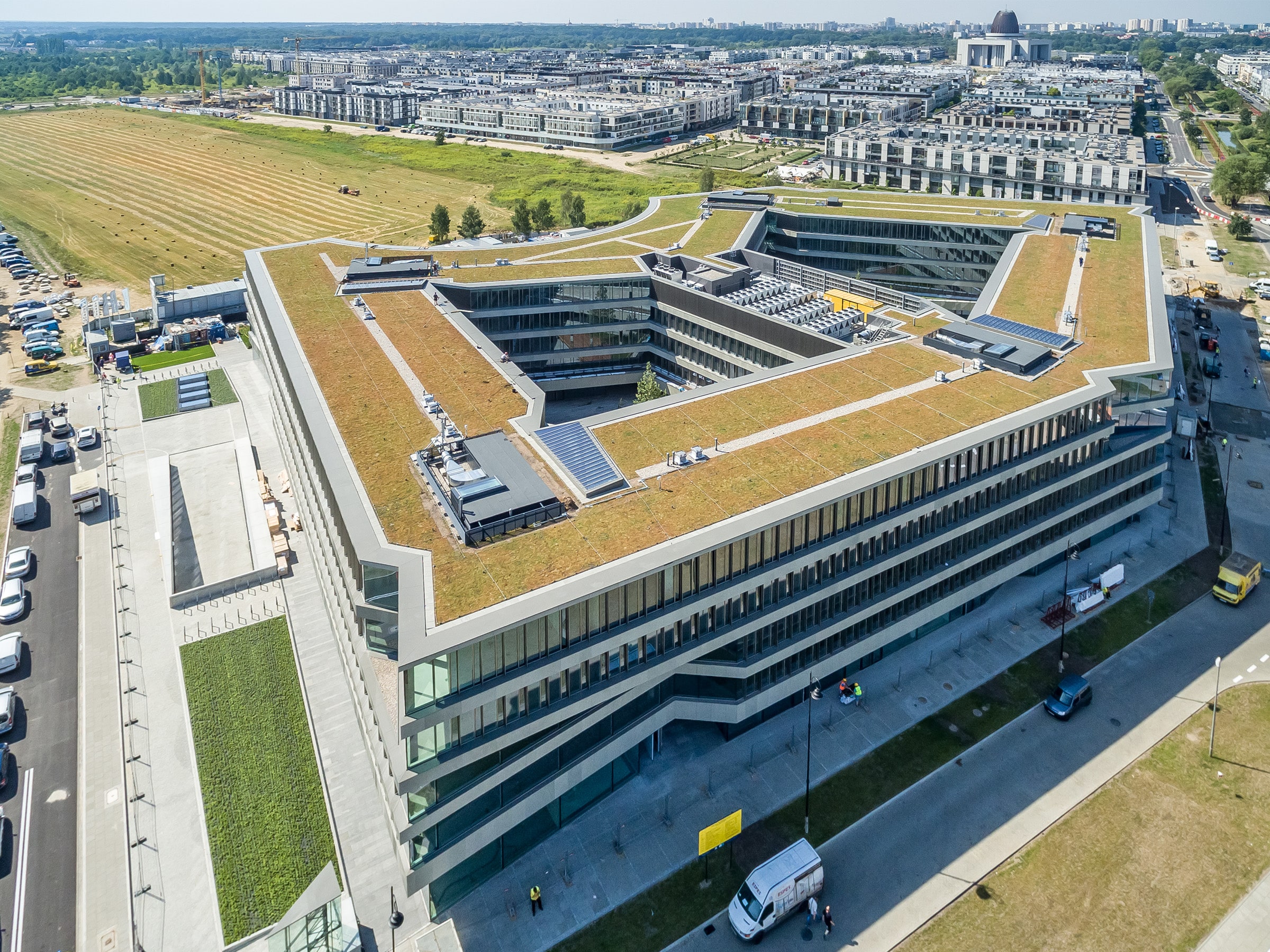
Example LEED certified project, Skanska HQ
LEED stands for ‘Leadership in Energy and Environmental Design’ and is the most widely used green building rating system for new and existing buildings worldwide. LEED aims to create better buildings and provides a framework for building owners and operators to create environmentally friendly and resource-efficient buildings. The certificate was developed by the US Green Building Council (USGBC) and has become an internationally recognized standard for green building certification. LEED certification is based on a rating system, where buildings earn points for various sustainable strategies and practices, such as:
Projects are assessed by GBCI and awarded points. These points determine the LEED certification level of your project: Certified (40-49 points), Silver (50-59 points), Gold (60-79 points), or Platinum (80+ points). Applying a green roof earns you valuable points within LEED. This is because a green roof can contribute both to energy efficiency, water savings, and the promotion of biodiversity.
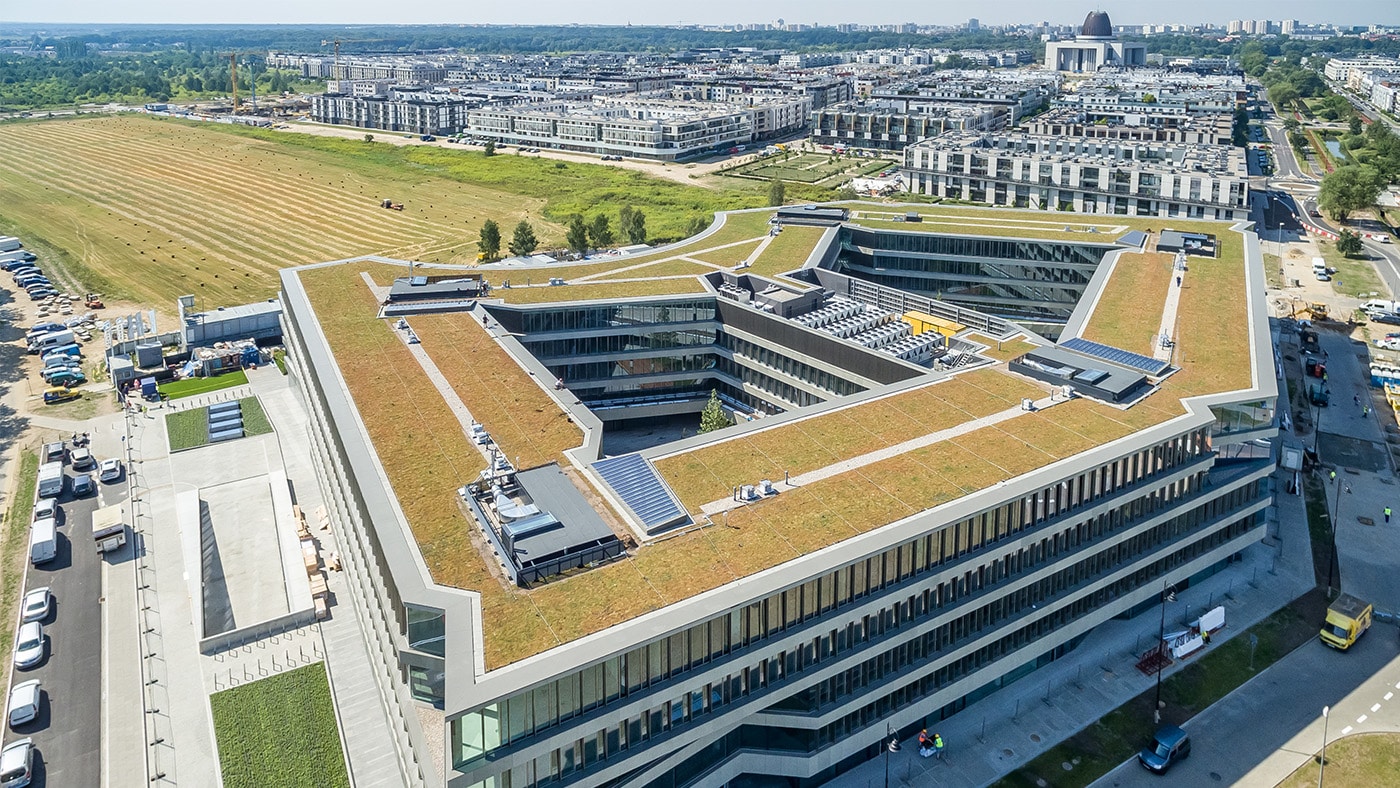
Example project with BREEAM certification, Royal Wilanow
BREEAM stands for ‘Building Research Establishment Environmental Assessment Method’ and is regarded as the most popular building certification within Europe. This method allows for projects to be evaluated for integral sustainability. The BREEAM framework is utilized to assess whole life performance, from new construction projects to refurbishments and fit-outs. The methodology varies by European country, as climatic conditions and laws and regulations differ, necessitating customization per country. BREEAM has four labels: for new construction and renovation projects there is BREEAM New Construction (and Renovation). Existing buildings are assessed with In-Use, demolition projects with Demolition and Dismantling, and entire areas with BREEAM Area. A green roof on your project will earn significant points for your BREEAM certification. The percentage of the building’s footprint that is implemented as external green space, which enhances its ecological value, is assessed.
As Europe’s largest energy consumer, buildings have a pivotal role in achieving the EU’s goal of becoming the world’s first climate-neutral continent by 2050. From 2020, all new buildings in the EU are required to be ‘nearly-zero energy buildings’. This will be superseded by an even more stringent ‘zero-emission buildings’ requirement, starting from 2028 for new buildings owned by public bodies and 2030 for all other new buildings.
Nearly-zero energy buildings (nZEB) is a standard introduced by the Energy Performance of Buildings Directive. It stipulates that all new buildings – as of 2020 – must have a high energy performance and very low-energy needs, predominantly met by onsite and nearby renewable energy sources. The European Commission’s Joint Research Centre discovered that this standard will enhance the energy performance of new buildings in the EU by 70%, compared to 2006.
Incorporating a Solar green roof from Sempergreen positively impacts nZEB, as energy generated by solar panels is classified under renewable energy. Furthermore, the greenery on the green roof provides a heat-regulating effect. In this manner, the Solar green roof aids sustainable building projects in achieving nZEB energy performance.
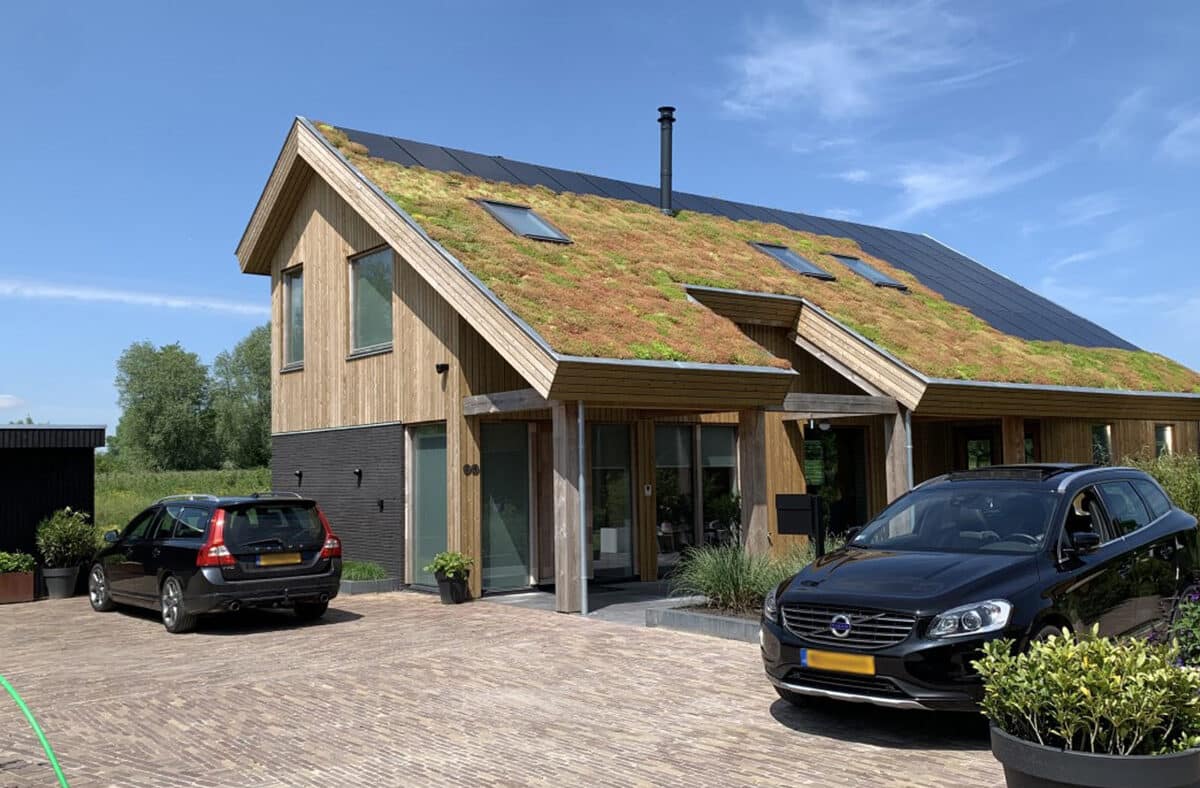
The development of green roof systems is constantly evolving. Besides the traditional green roof, there are now also green roofs that focus specifically on storing excess rainwater due to extreme weather, or green roofs combined with solar panels for sustainable energy generation. For pitched roofs, there are both vapor-proof or vapor-permeable solutions, which can act as an alternative to the traditional roof tile.
For buildings with a supporting structure, which can carry little weight, there is the lightweight green roof structure. Instead, if you want to contribute to the local biodiversity of your building, choose a biodiverse green roof. Whichever type of green roof you choose, all these green roof types contribute to the various building certifications in several ways. So, with a green roof, you are always in the right place when it comes to sustainability!
Ready to make a difference? At Sempergreen, we believe in building a greener future, one step at a time. Our innovative solutions are designed to help you decrease your footprint and contribute to a more sustainable world. Join us in replanting the planet!