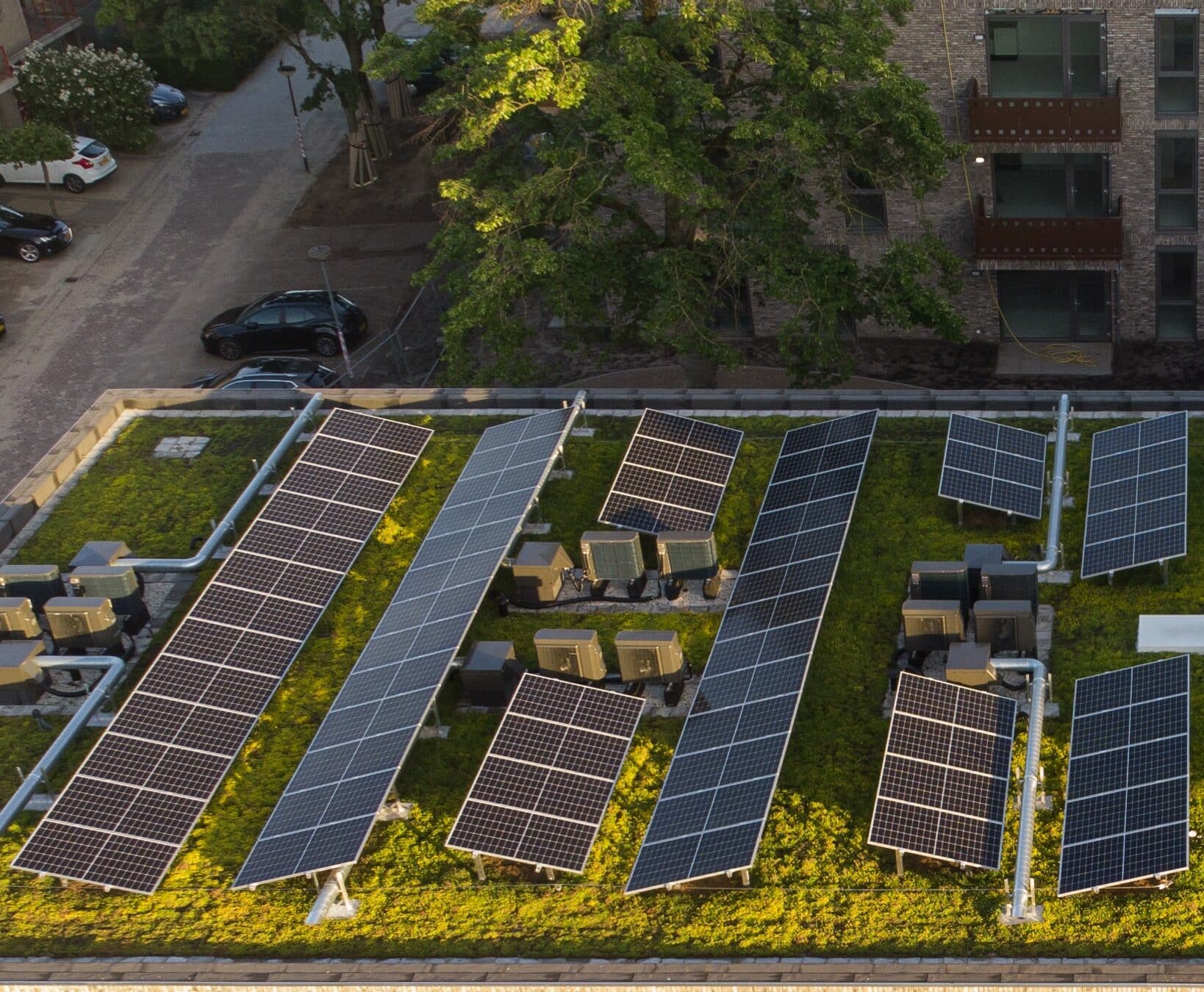
Multifunctional Surface
Every component of the roof plays a role. Rainwater is buffered, and nature is afforded space to flourish.
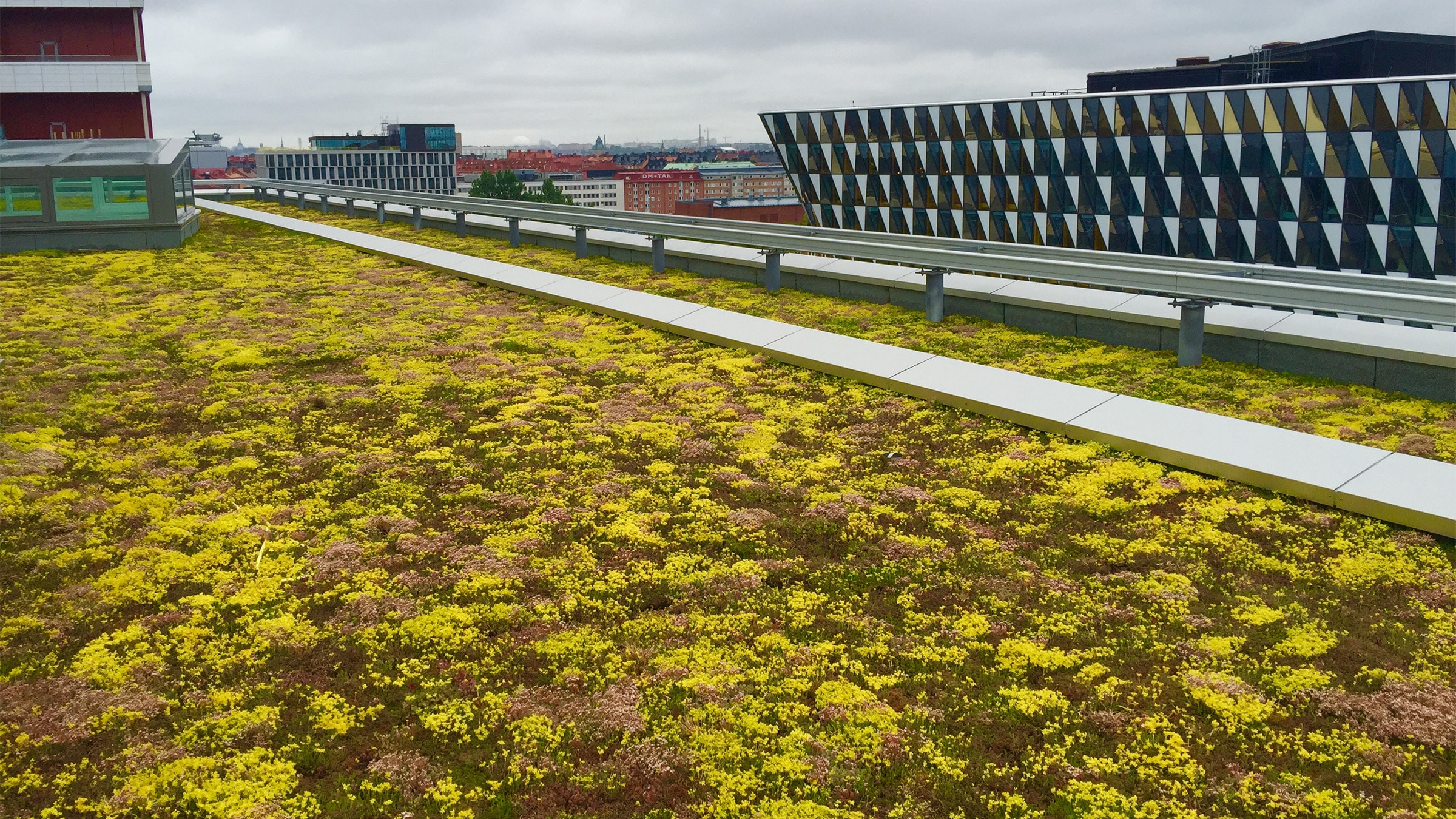
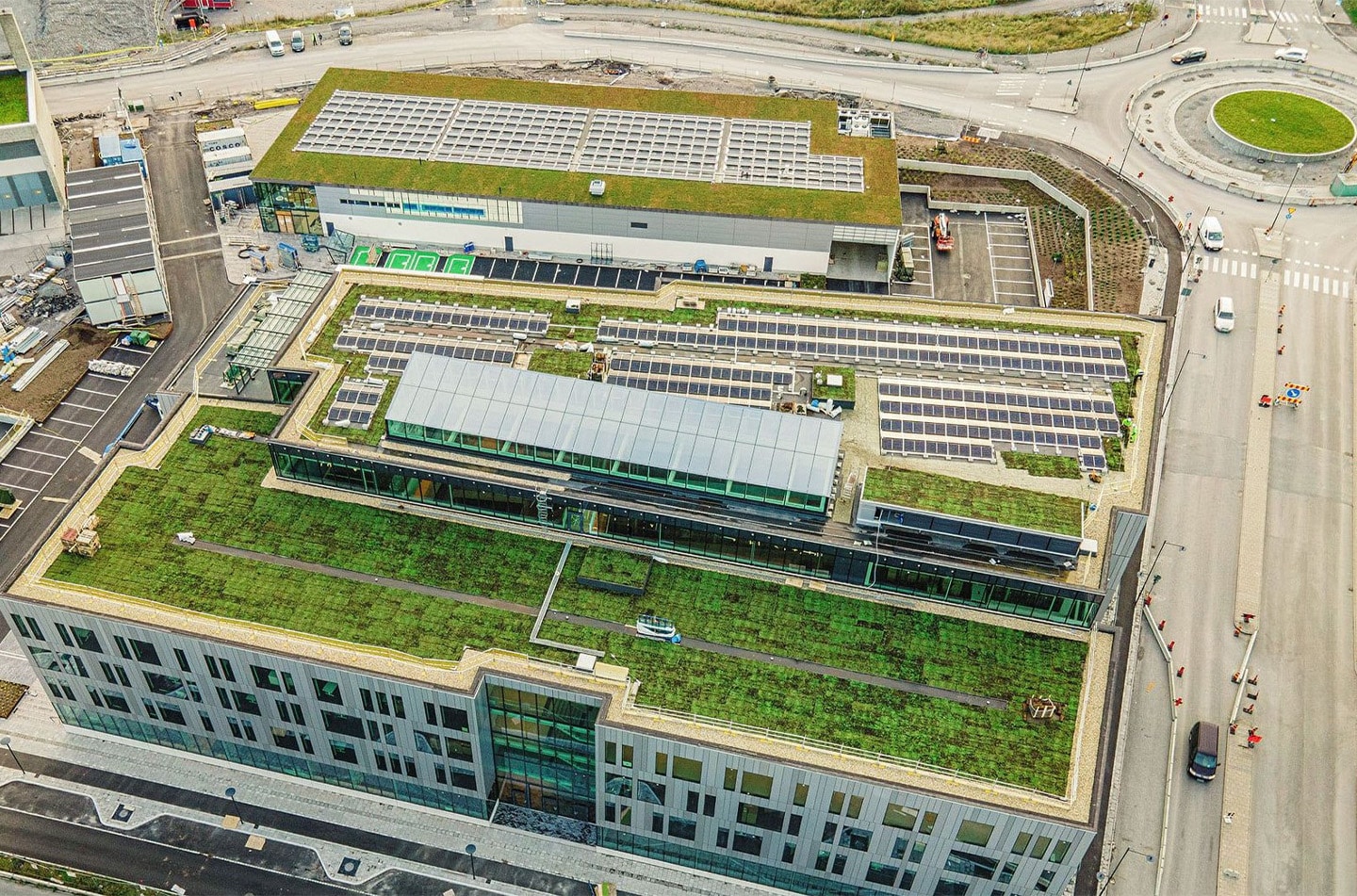
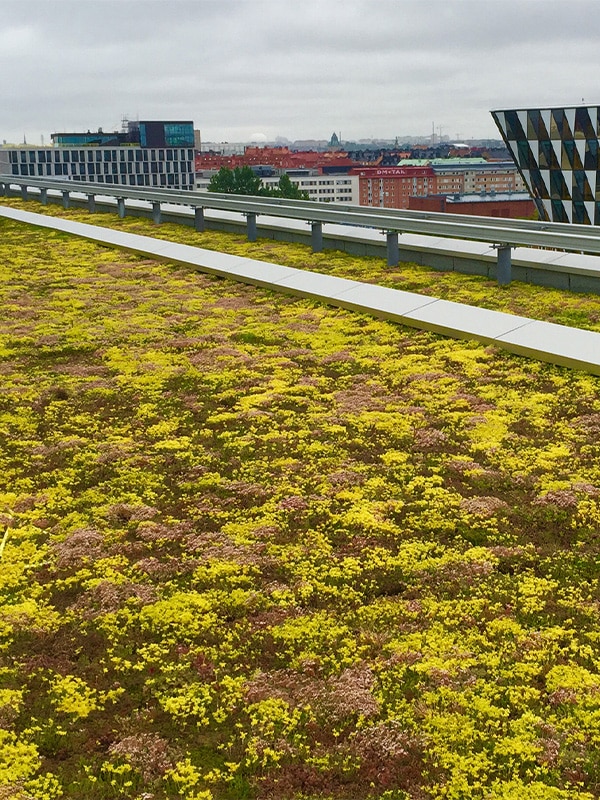
Karolinska University Hospital in Stockholm, designed by Tengbom and developed by Skanska, achieved LEED Gold and Miljöbyggnad Gold certifications. Over 215,278 ft² of green roofs enhance sustainability and contribute to patients’ wellbeing in this ultramodern, human-centered healthcare facility.
Every component of the roof plays a role. Rainwater is buffered, and nature is afforded space to flourish.
The roof stores water during heavy rainfall and helps cool the surroundings during summer heat.
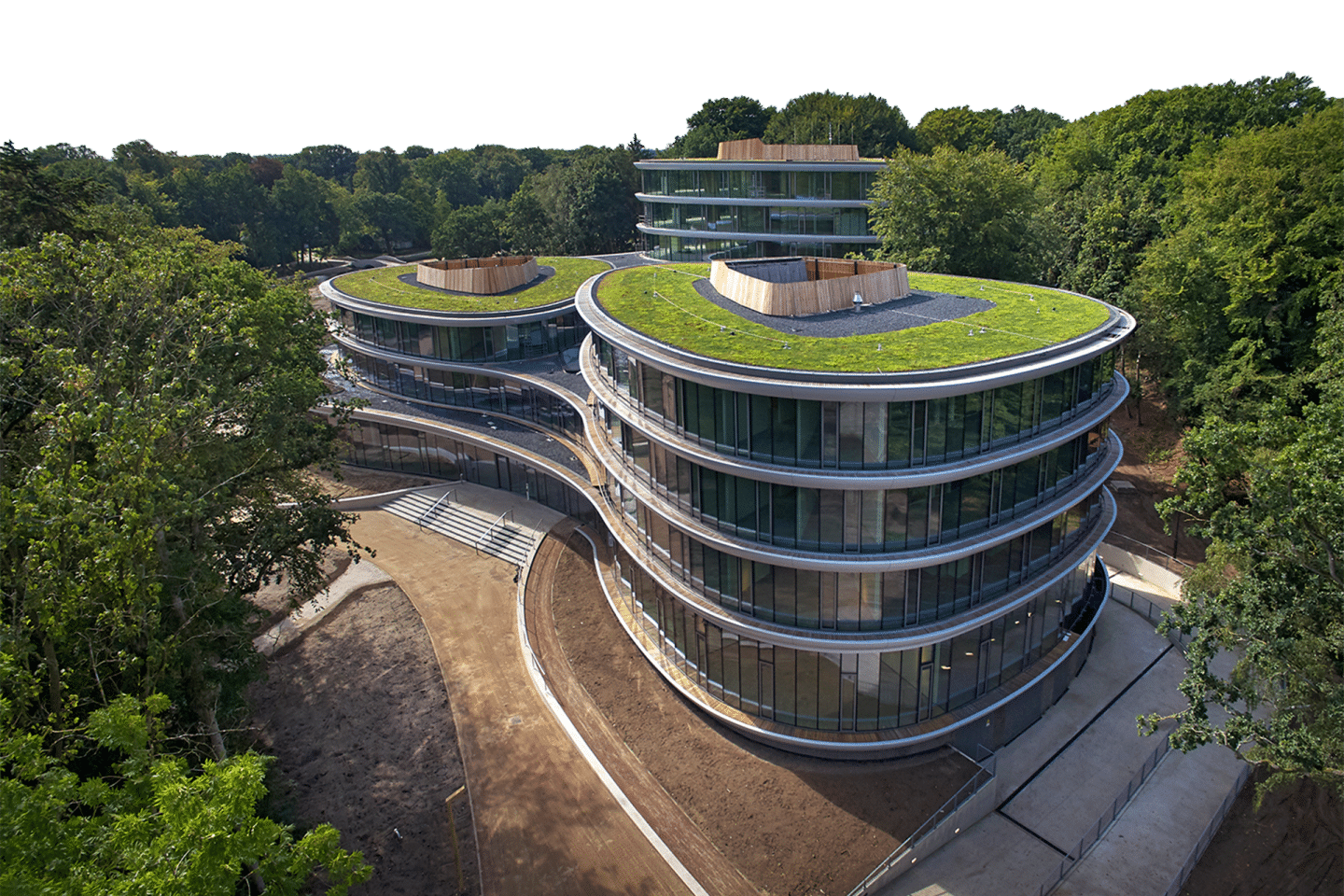
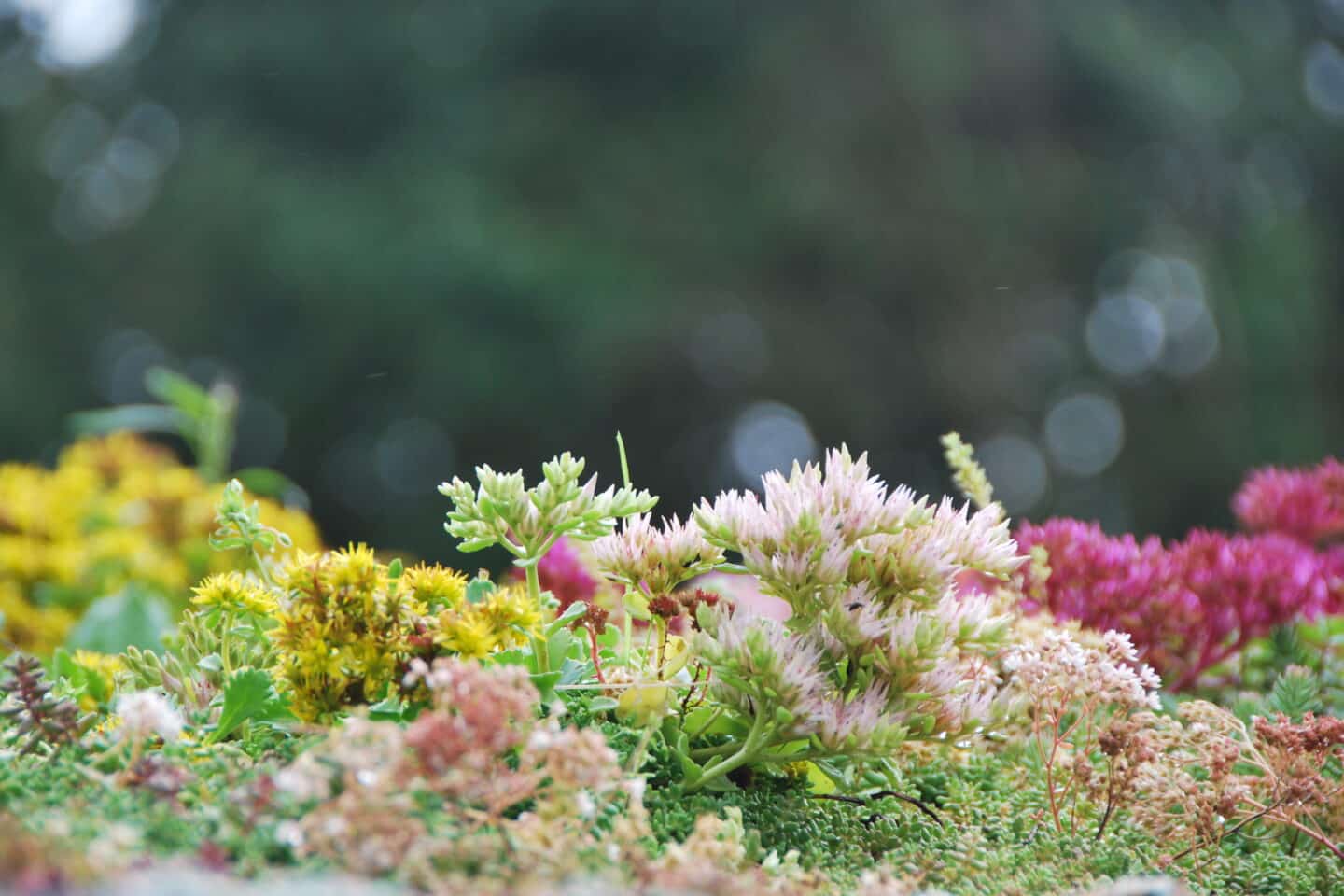
A diverse planting plan attracts pollinators, birds, and native insects. This turns the roof into a thriving ecosystem.
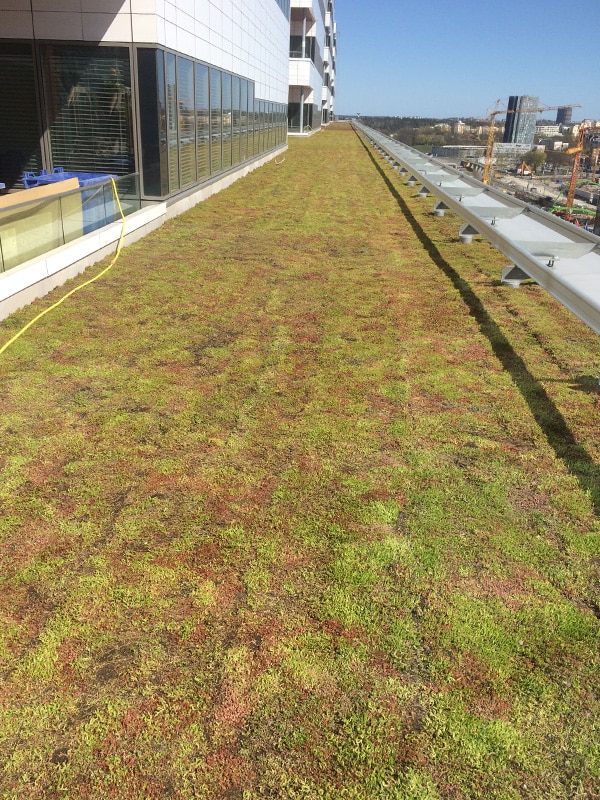
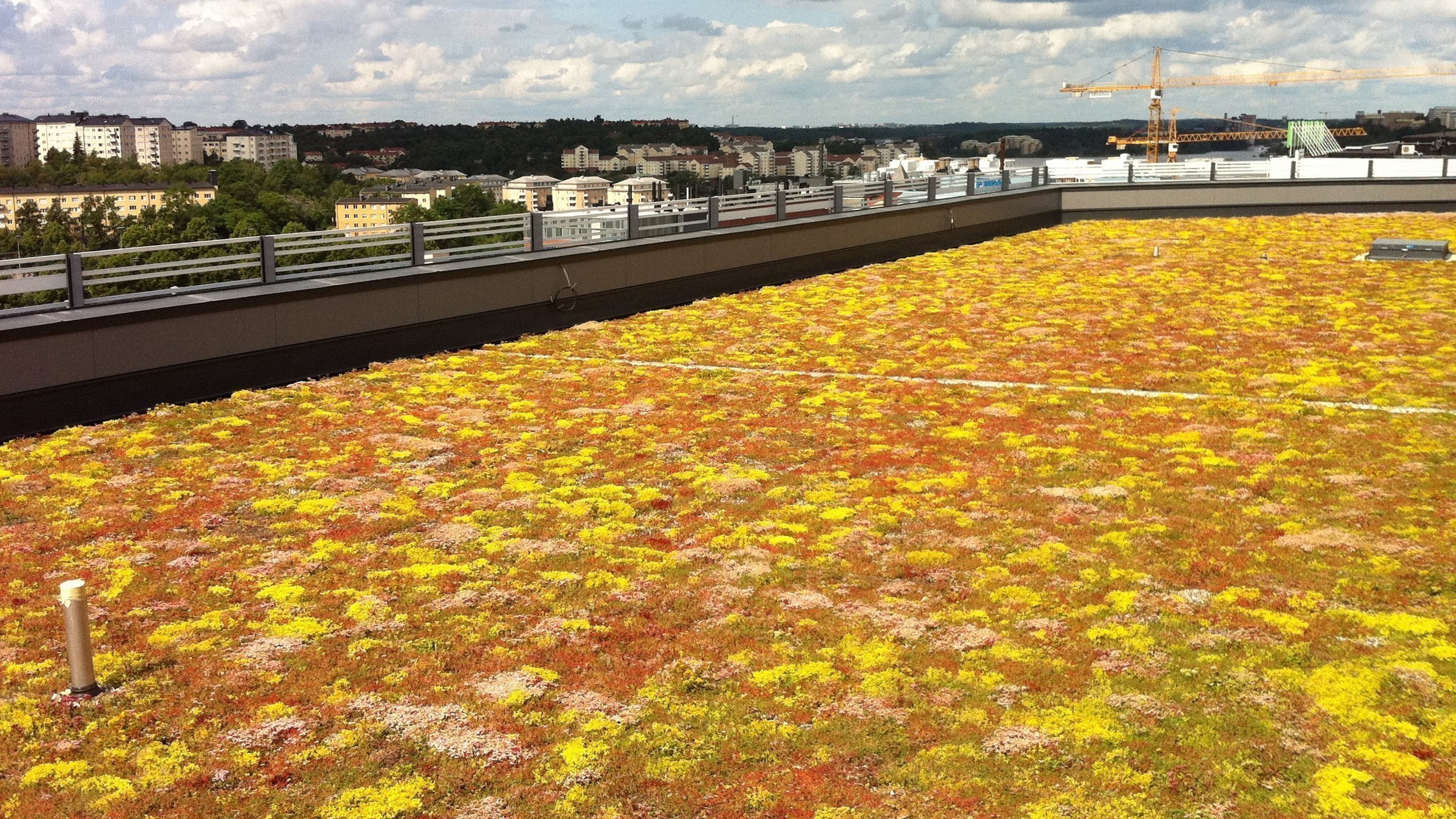
Karolinska is one of the first university hospitals in the world to be certified with LEED gold. The new building has also achieved the gold standard in the Swedish Green Building Council environmental certification (Miljöbyggnad Guld). Designed by Tengbom Architects and developed by Skanska, the ultramodern hospital will place a strong focus on the patient. The hospital is covered by more than 20,000 sq ft of green roofs, which has a proven positive effect on wellbeing.


With a size of approximately 330,000 sqm, including 730 patient care rooms and 35 operating theaters, it is the largest project in Sweden carried out as a partnership between public and private players and the country’s most advanced BIM-project. The project also adheres to strict environmental standards. The green roofs, consisting of Sempergreen Sedum-mix blankets, play a crucial role in this, providing advanced performances in terms of storm water control and energy efficiency. The buildings’ energy consumption for electricity, heating, and cooling is 110 kWh/m2 per year – less than half of most existing hospitals today. 99.7% of energy comes from renewable sources with low CO2 emissions.
The ‘patients-first’ policy is also made visible in the incorporation of greenery in the design. Research has proven the positive effects that a green environment can have on the mental and physical well-being of patients. That is why a green environment is also referred to as a ‘healing environment’. Not just for the patients, but also for visitors and the medical staff.

Ready to make a difference? At Sempergreen, we believe in building a greener future, one step at a time. Our innovative solutions are designed to help you decrease your footprint and contribute to a more sustainable world. Join us in replanting the planet!