Increase Solar Yield
Green roofs create a cooler climate around panels, increasing energy output by up to 40%.
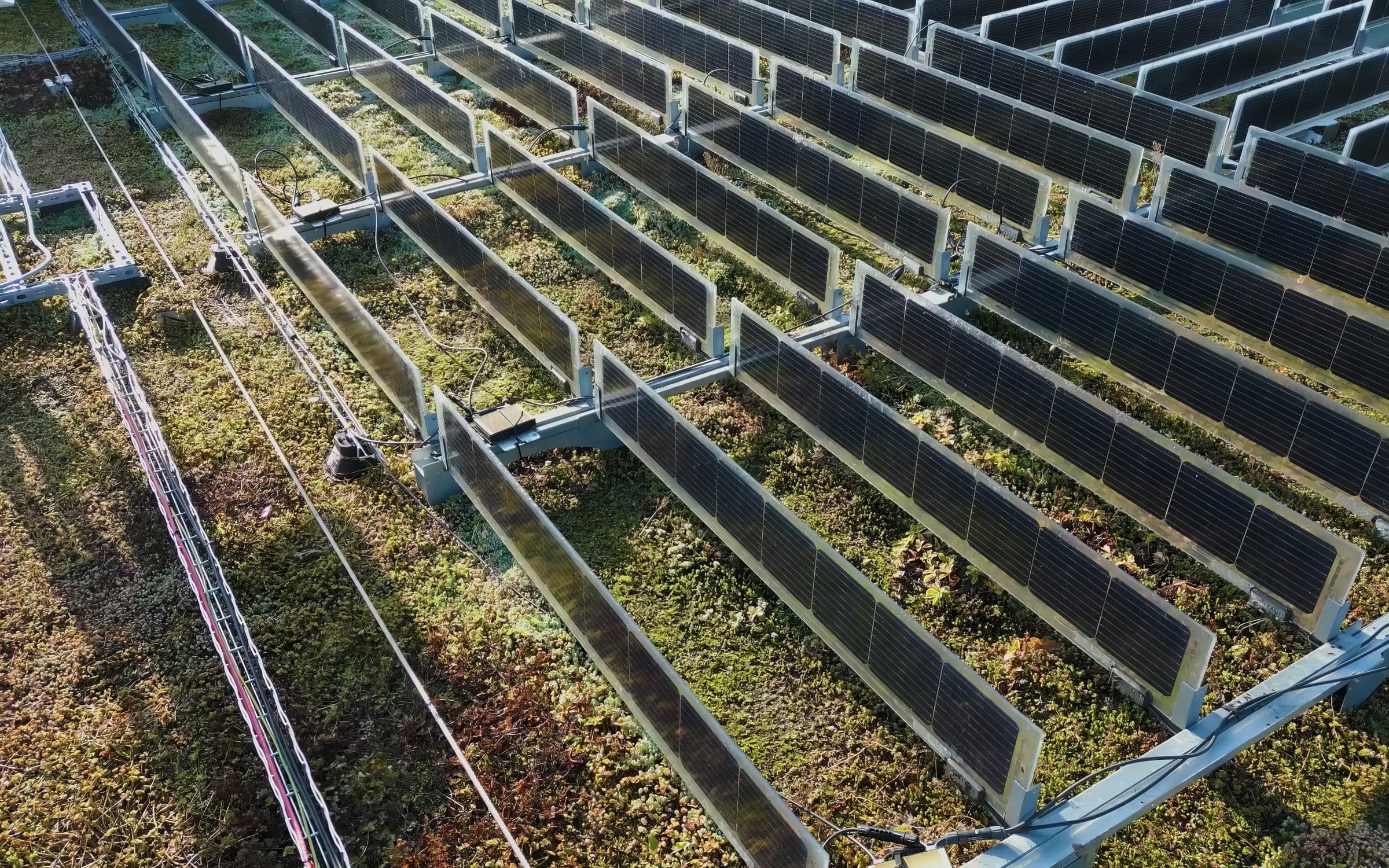
Sustainable energy has never been more important. With rising demand and new regulations, solar panels are becoming the norm for both new constructions and renovations. Efficiency is crucial. A solar green roof delivers twofold benefits: renewable energy production and vibrant greenery. The synergy of panels and plants even boosts solar efficiency by up to 40%.
Green roofs create a cooler climate around panels, increasing energy output by up to 40%.
Generate clean energy and make your roof eco-friendly at the same time.
Meet energy regulations while enhancing sustainability and design.
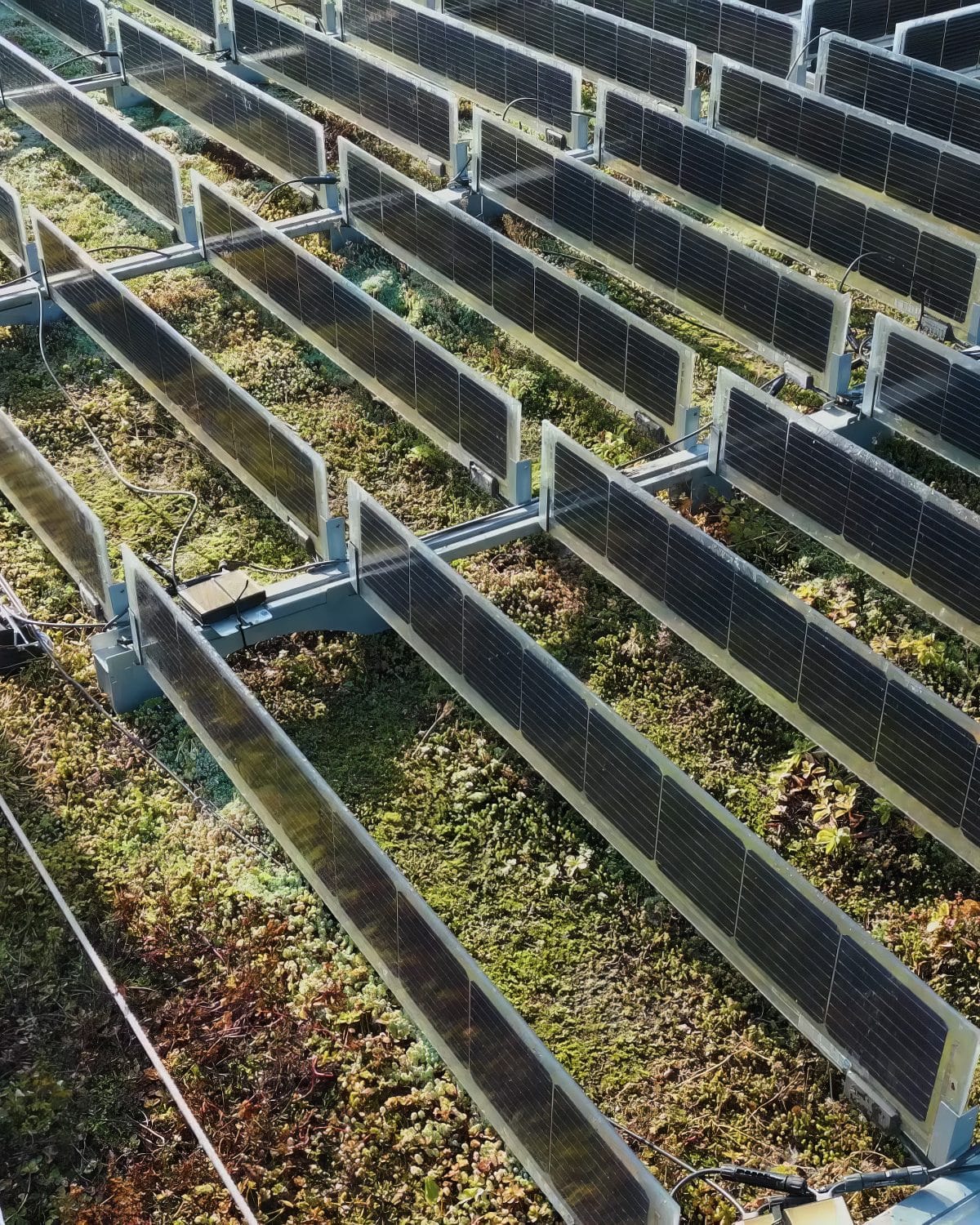
The global demand for clean energy continues to accelerate. Solar solutions for both new constructions and renovations will increasingly become a requirement. For architects, developers, and governments, efficiency and integration are key. At the same time, building owners and users expect solutions that deliver high efficiency and a strong return on investment. The key question: how can energy generation be combined with sustainable, future-proof building design?
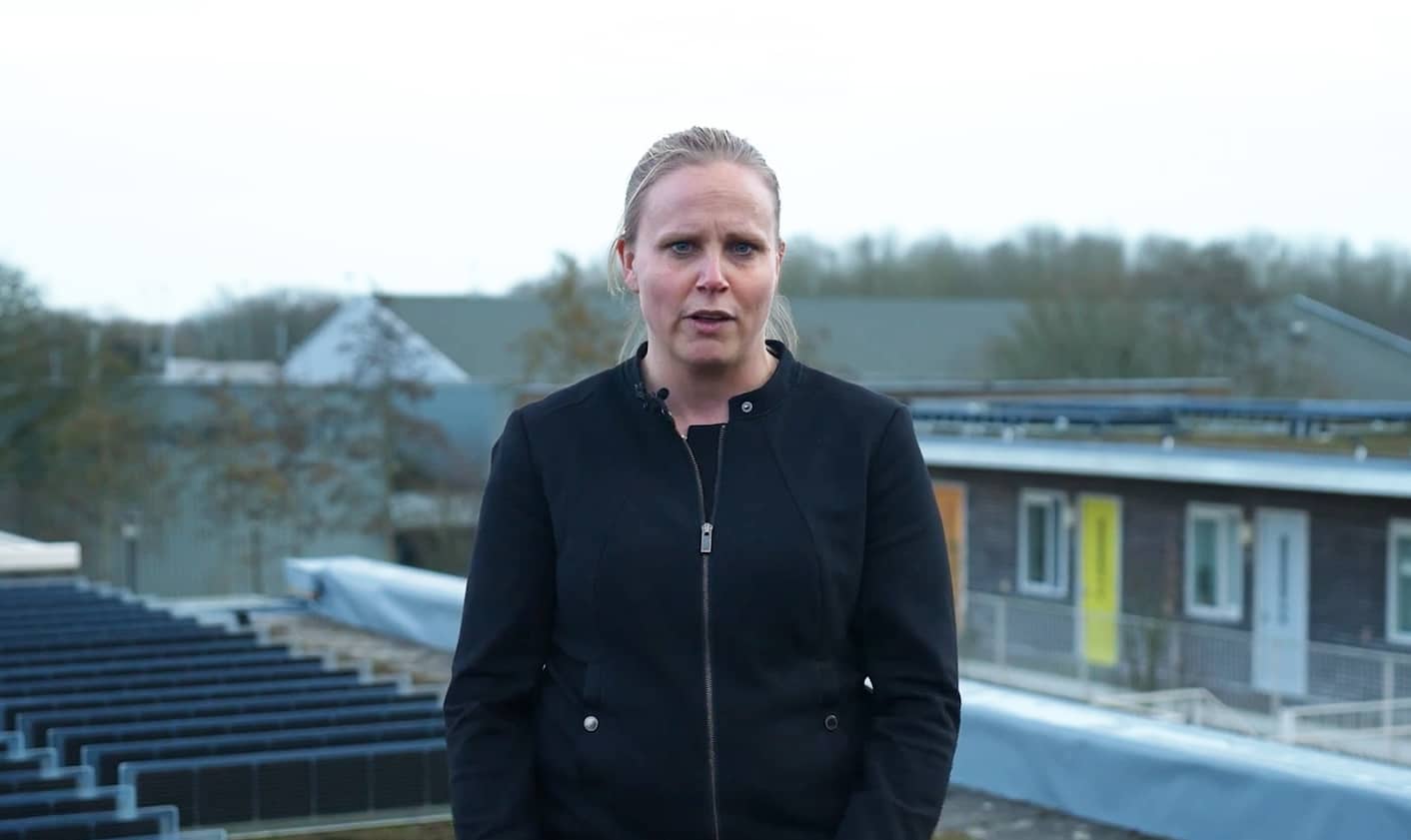
"The municipality of Amstelveen is extremely proud of this homeowners' association for having realized this innovative project."
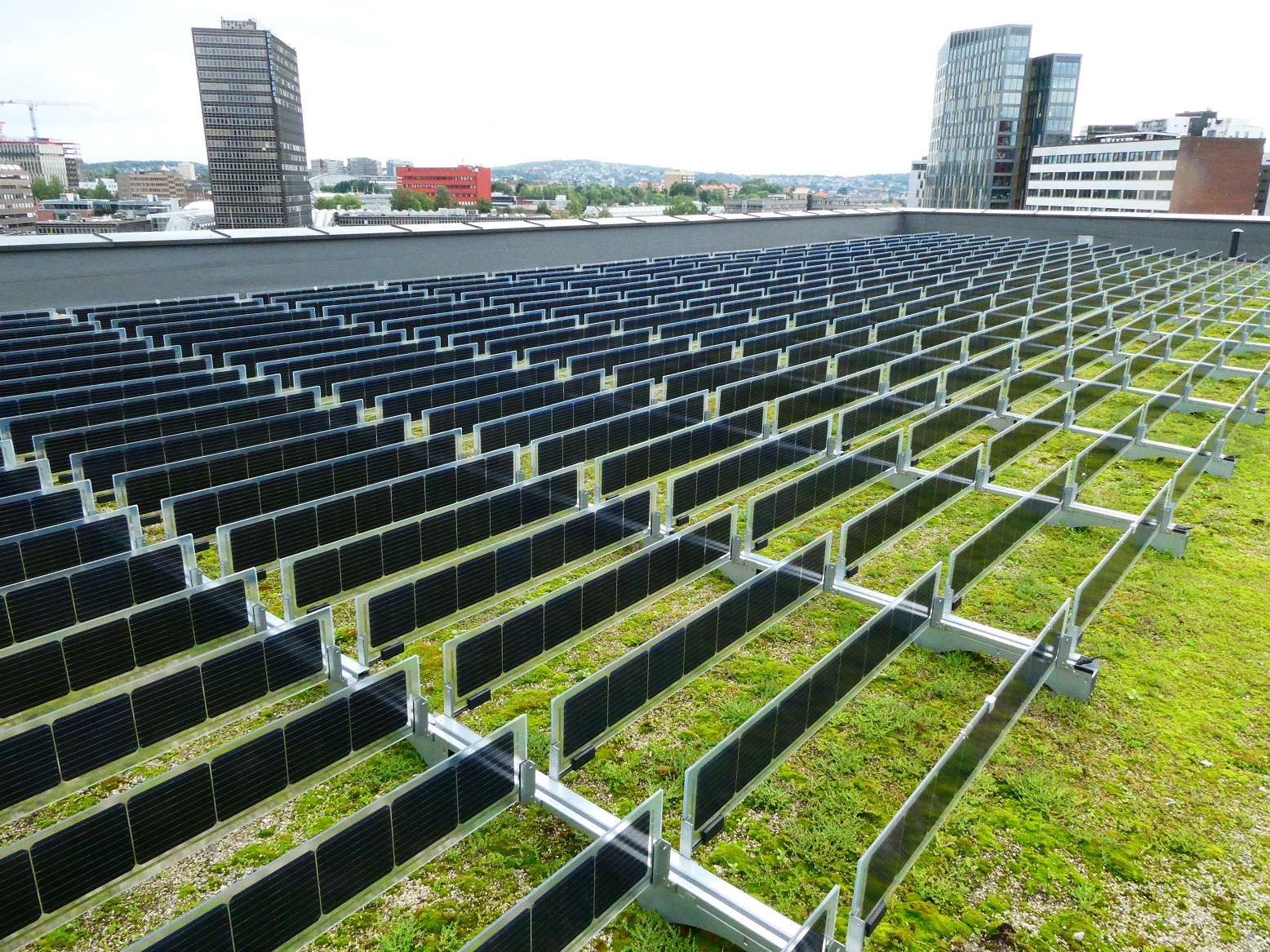
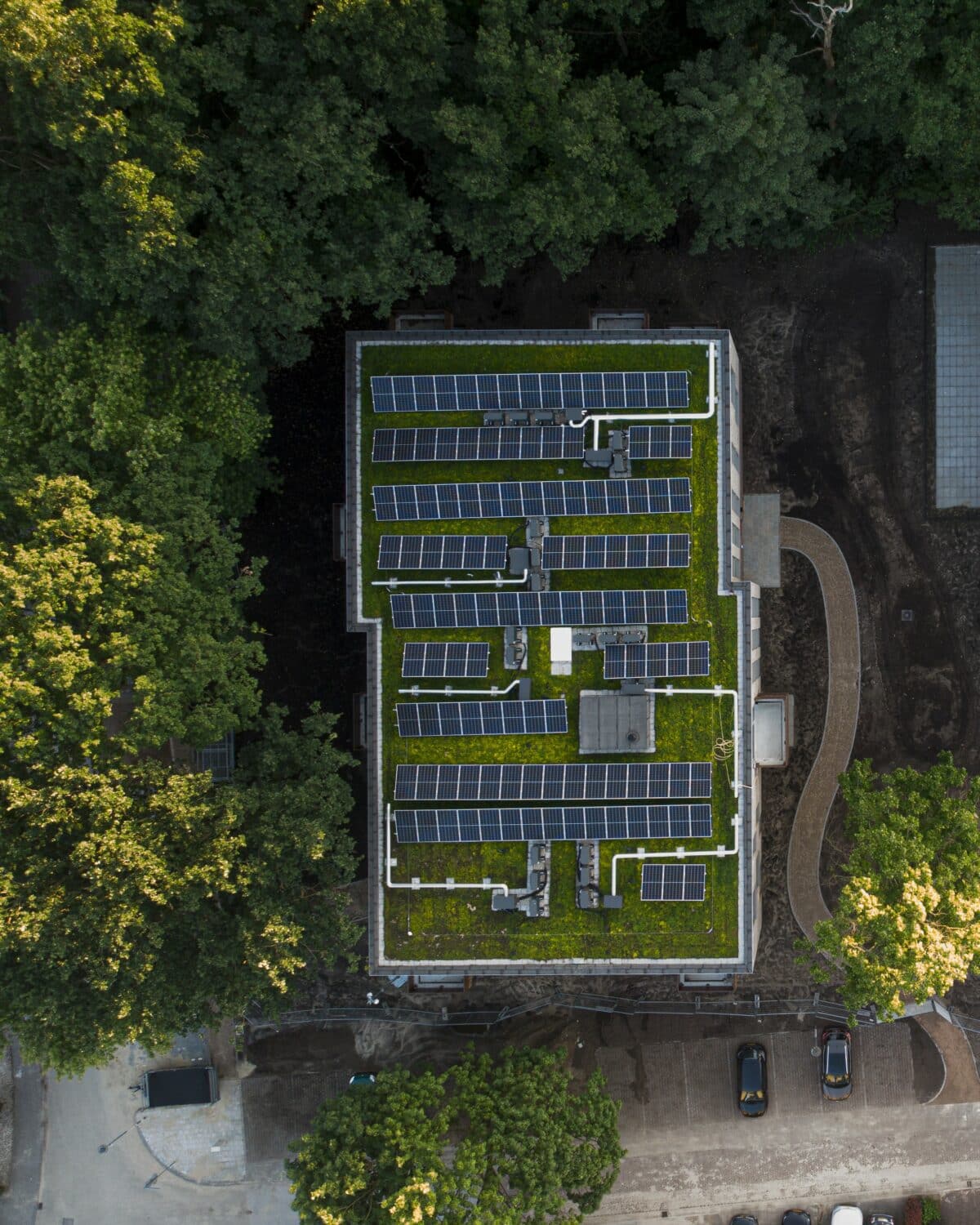
Homeowner association Maccabiadelaan realized the first Dutch green roof combined with Over Easy Solar units — 500 sqm Sedum and 94 panels.
Why choose between energy or greenery when you can have both? With Sempergreen’s solar green roofs, rooftops become multifunctional: producing energy, cooling buildings, and supporting biodiversity. Every roof can deliver green power, from biodiverse to lightweight, ballasted or pitched.
The strength of a solar green roof lies in collaboration. Sempergreen provides the proven green roof systems, while our partners deliver the most advanced solar solutions. Together, we combine the best of both worlds: vegetation that cools, with solar technology that maximizes energy yield. By joining forces, we create integrated rooftop systems that are efficient, reliable and future-proof. This partnership approach ensures every project benefits from specialist expertise – resulting in the most effective combination of nature and technology for sustainable cities.
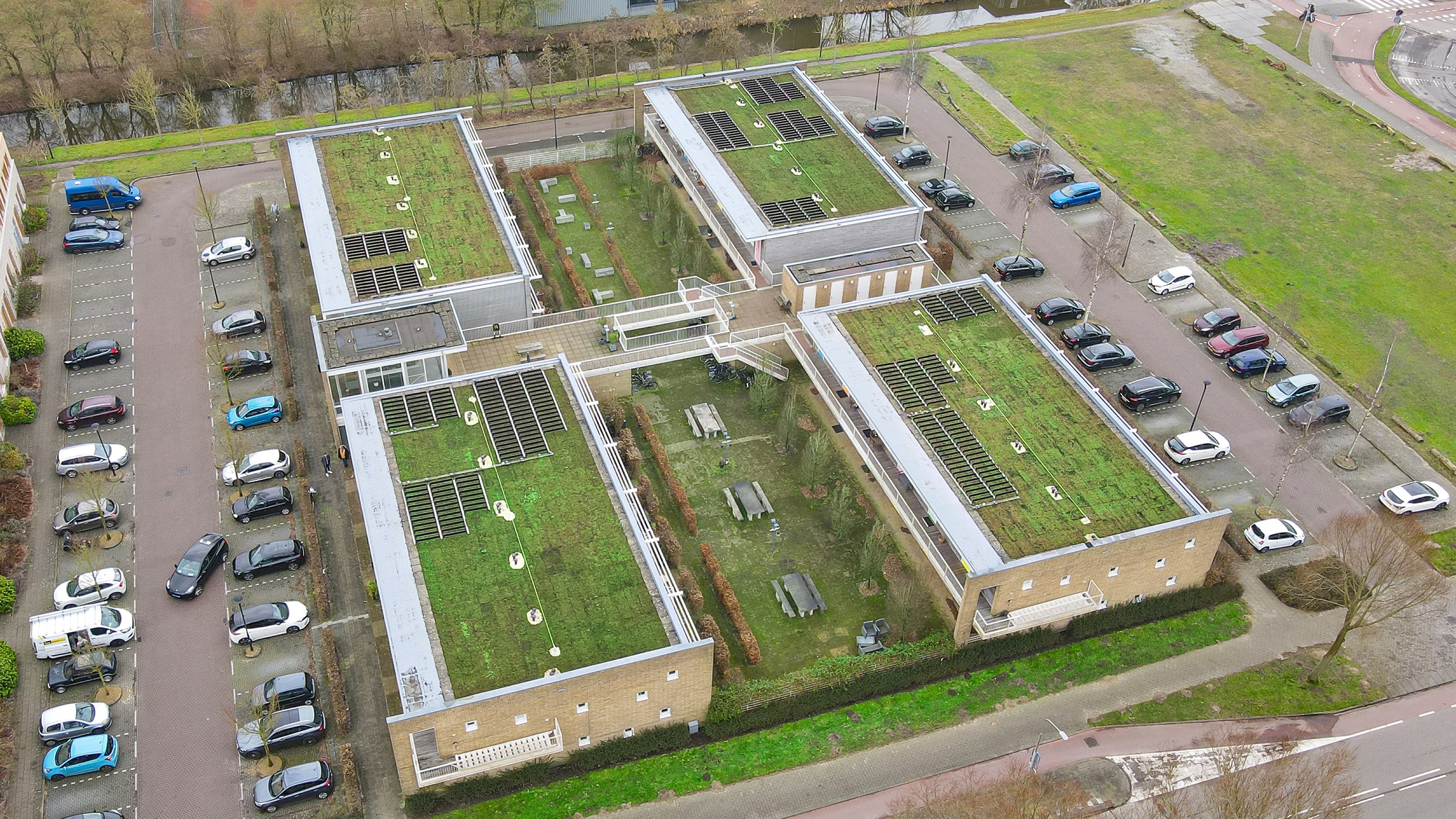
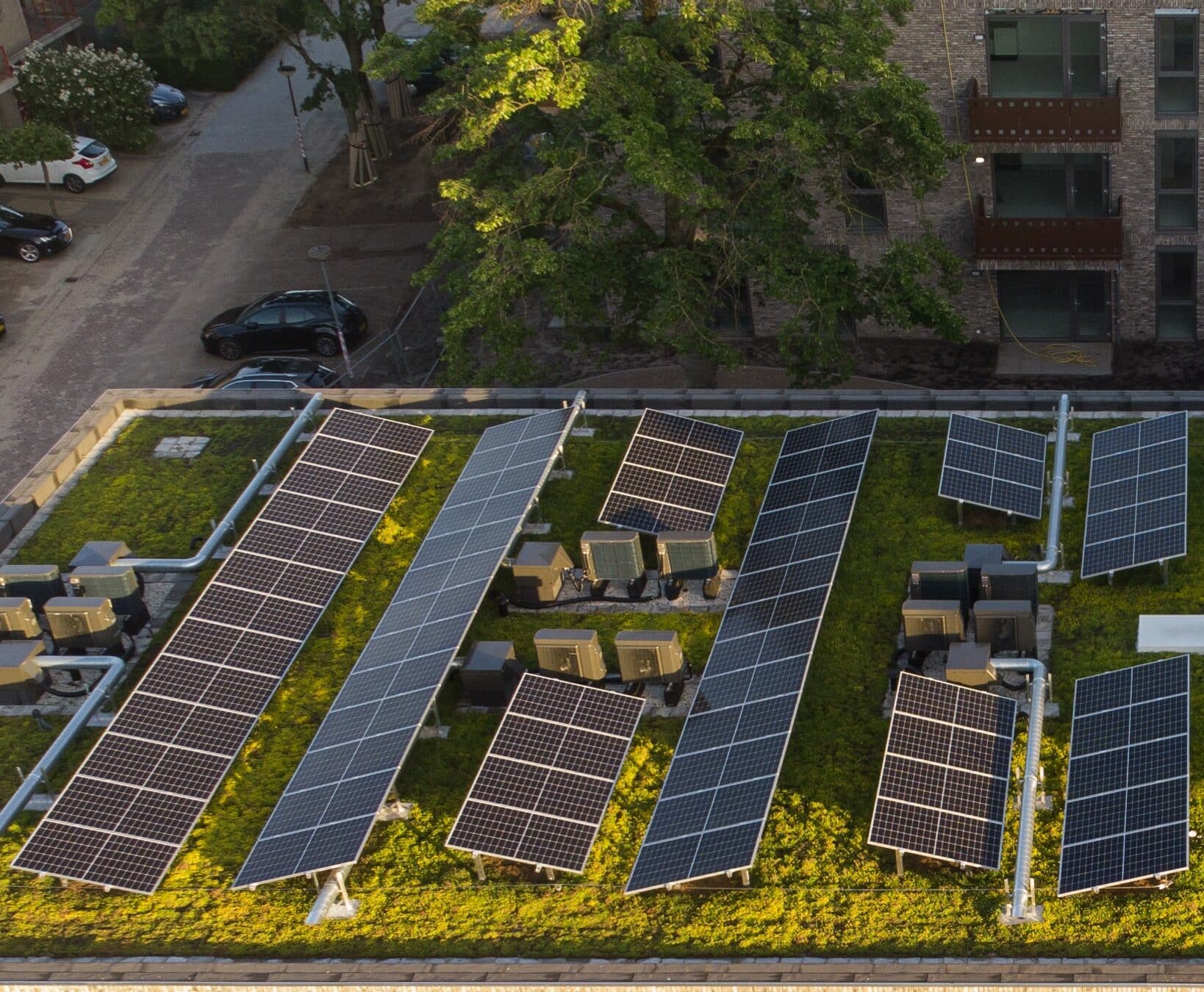
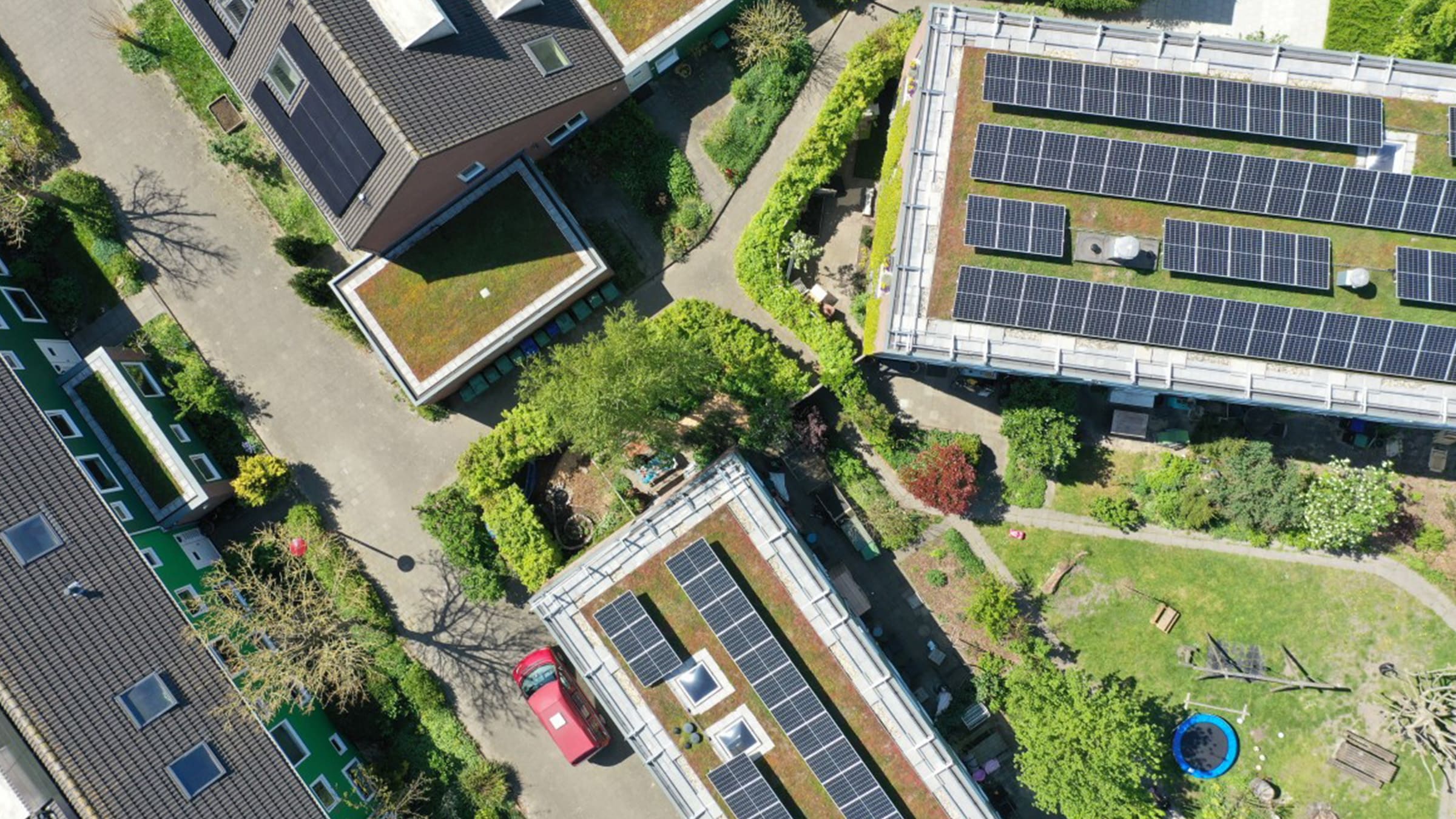
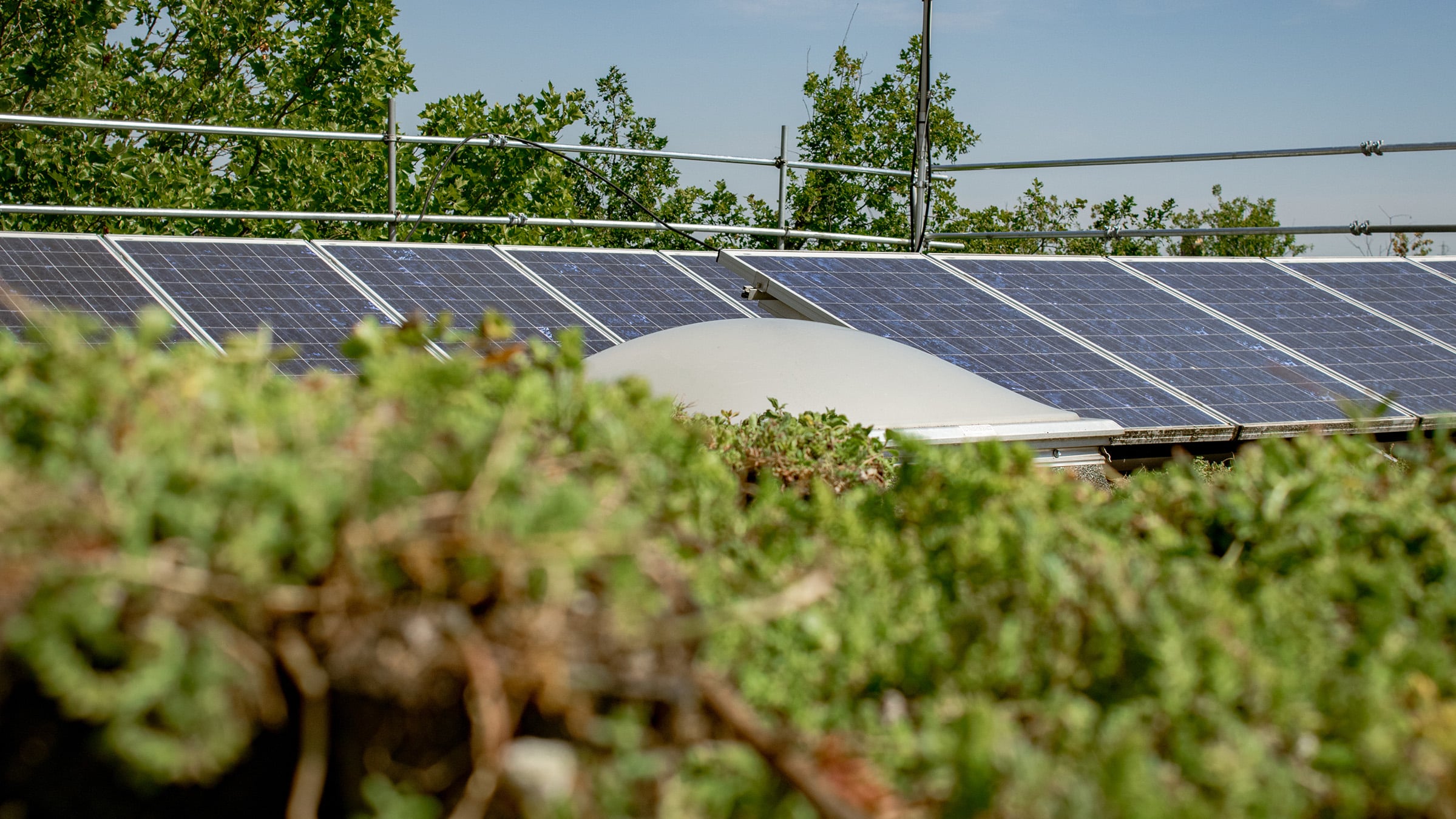
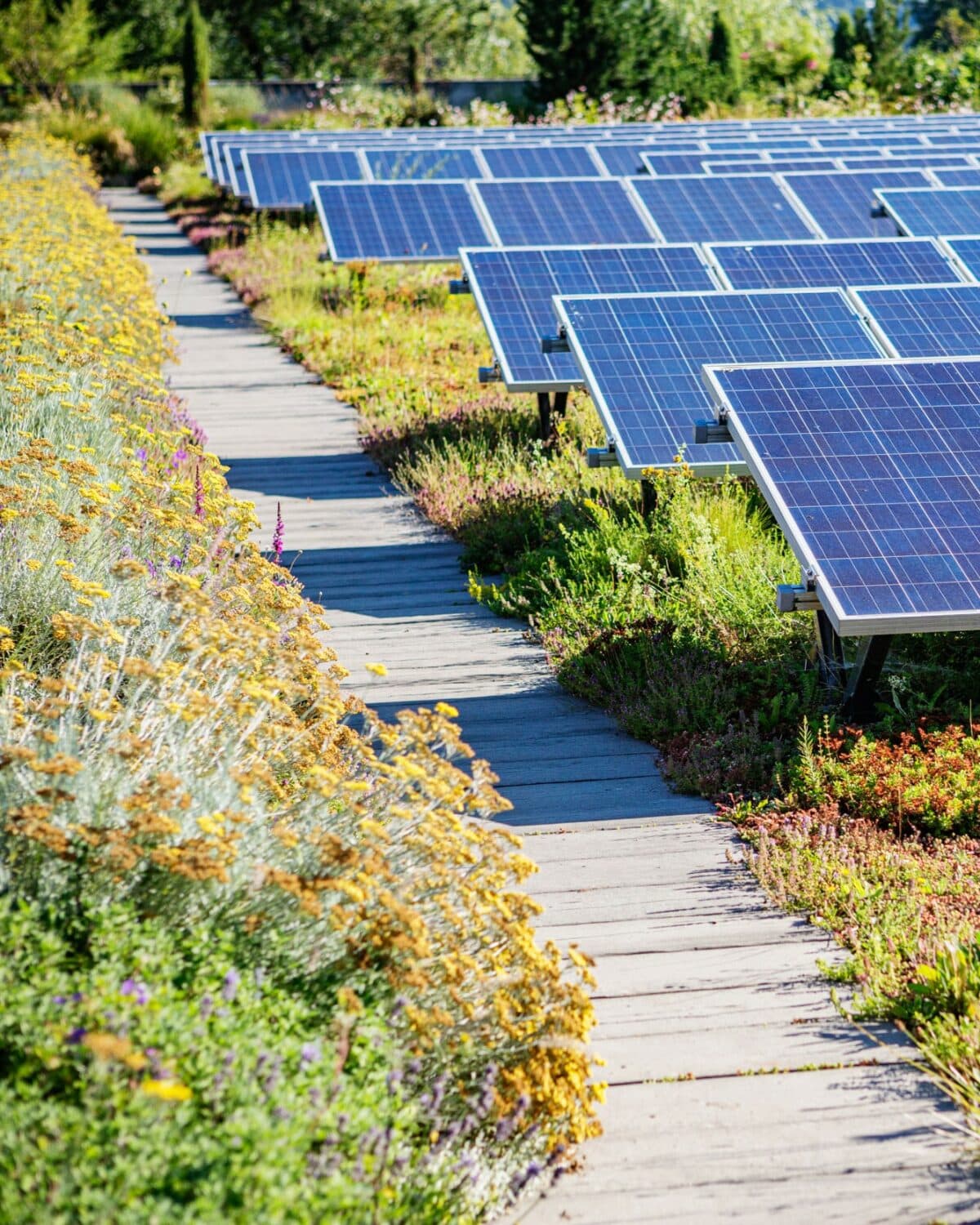
With our all-in-one green systems, every roof becomes more than just a place for solar panels. We integrate renewable energy with water management and biodiversity in one complete solution. The vegetation layer retains rainwater and eases sewer pressure, while keeping solar panels cooler for higher efficiency.
At the same time, it creates a thriving habitat for bees, butterflies, and birds. Depending on your project’s goals, the system can be designed for maximum water buffering, or as a biodiverse version with herbs and grasses. The result: a multifunctional roof that generates clean energy, boosts nature, and prepares cities for the future.
Got questions about solar? No worries! With just a few quick steps, we’ll guide you to the right solution and provide customized advice for your project.
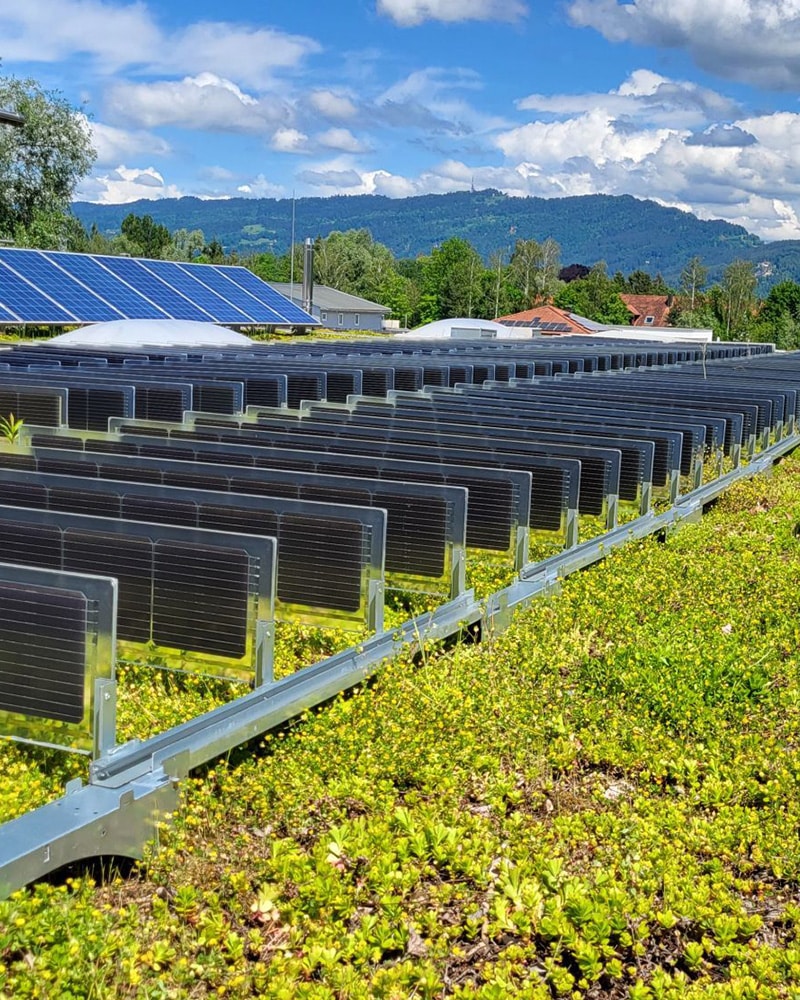
Solar panels perform best under the right conditions. That’s where greenery makes the difference. Plants lower rooftop temperatures, preventing panels from overheating and improving their efficiency.
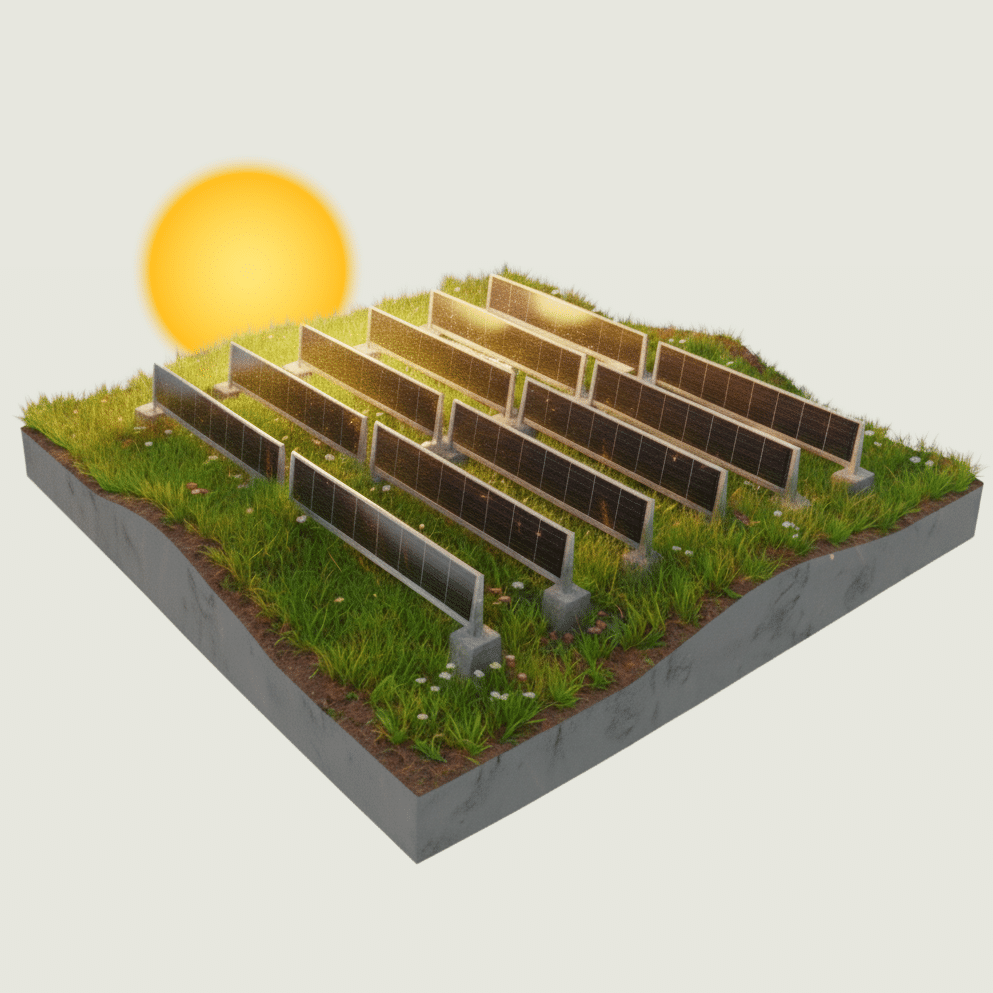
Vertical placement ensures that every panel captures sunlight while leaving space for vegetation to thrive. This combination not only generates more renewable energy, it also cools buildings, cleans the air, and enriches biodiversity. By merging technology with nature, our solar green roofs unlock untapped potential in every city.
Solar power is one of the most cost-effective ways to reduce carbon emissions and cut energy bills. By generating your own renewable energy, dependence on fossil fuels decreases while long-term savings grow. The falling cost of solar technology, combined with rising energy prices, makes investing in solar more attractive than ever.
Many U.S. regions also offer substantial commercial incentives, such as federal tax credits and state-level exemptions, further improving the return on investment. Beyond the financial benefits, solar power enables organizations to demonstrate a clear commitment to sustainability, helping buildings meet stricter regulatory requirements and corporate climate goals while contributing to a cleaner, more resilient energy future.
Sempergreen offers proven systems that flawlessly integrate solar energy, vegetation, and design versatility. From flat to sloped roofs, our solar green roof solutions are ready for installation, enhancing energy production, prolonging roof life, and directly supporting climate objectives.

Explore our latest blogs on solar energy, with insights, tips, and proven results for greener, nature-inclusive cities.

We answer the most common questions about Solar Power. Need something more specific? Just contact us directly.
Yes, absolutely. Solar panels (PV) and green roofs work perfectly together and even enhance each other’s performance. Installing a Sempergreen Solar Green Roof on a flat or pitched roof offers multiple advantages. In addition to improving local biodiversity and purifying the air, the vegetation provides natural cooling. This cooling effect boosts the efficiency of solar panels by 6–10% and extends their lifespan by maintaining them at a lower operating temperature.
Sempergreen offers comprehensive Solar Green Roof solutions in partnership with reliable partners.
With the Over Easy Solar vertical panels, you receive a fully integrated system: green roof, solar panels, mounting frames, and all necessary materials.
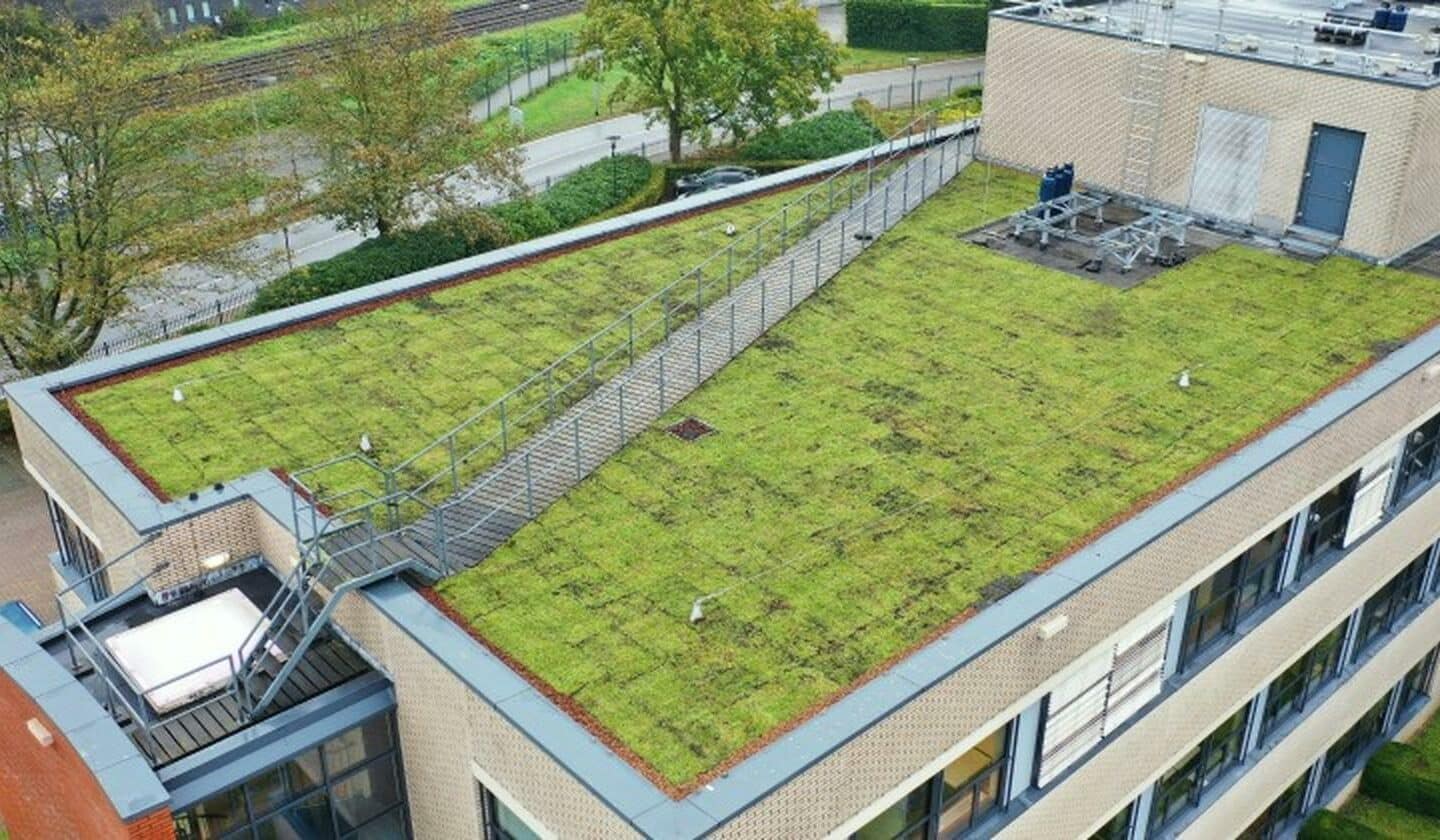
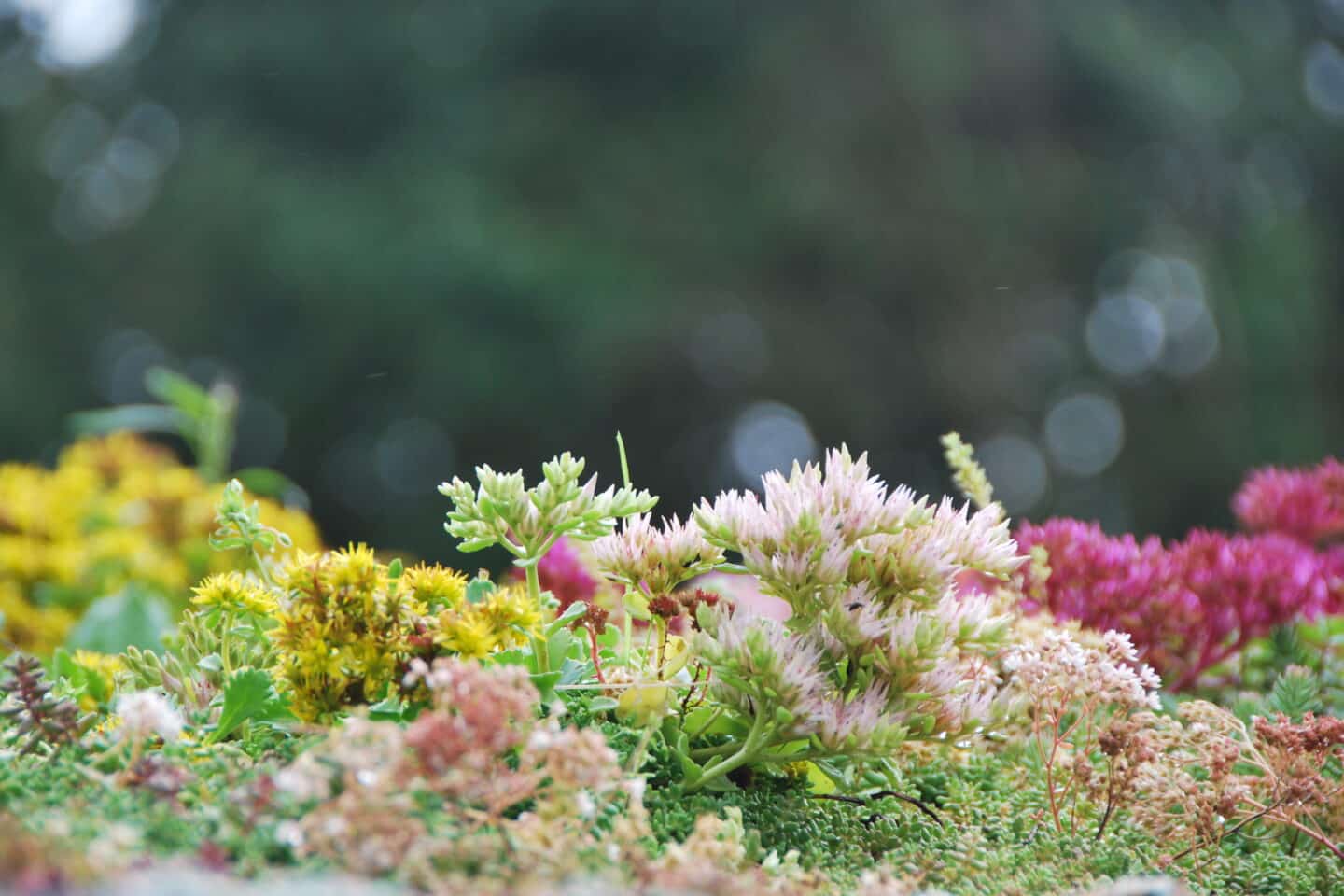
With the Solar Sedum Roof or Solar Biodiverse Roof, Sempergreen provides the complete green roof system including mounting materials and carriers, but excluding the solar panels themselves.
Higher efficiency: PV panels produce 6–10% more energy thanks to the cooling effect of the green roof.
Longer lifespan: Lower panel temperatures reduce wear and extend durability.
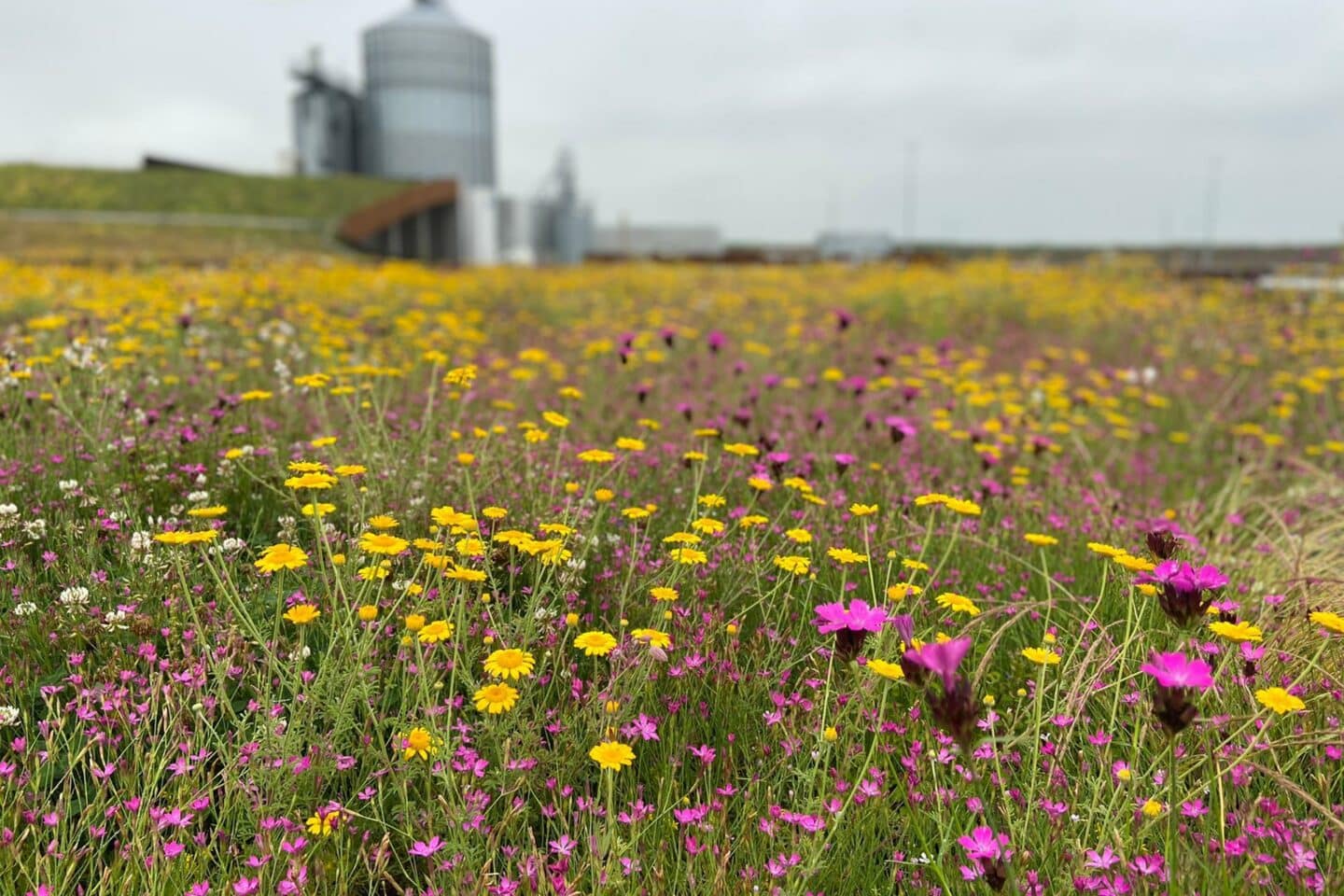
Biodiversity: Sedum and biodiverse roofs create habitat for bees, butterflies, and pollinators.
Sustainable building: Combining solar and green roofs contributes to higher BREEAM and LEED scores.
Improved rainwater management: Green roofs store and delay runoff, relieving urban drainage systems.
Yes, Sempergreen systems are suitable for both flat and pitched roofs. On pitched roofs, green roofs and solar panels can be seamlessly combined without technical issues.
Yes. By integrating vegetation, the system adds ecological and social value on top of renewable energy production. It enhances biodiversity, reduces heat stress in cities, improves air quality, and makes buildings more climate-resilient.