- Water Management
- Knowledge
Water Storage in the Garden: Smart Solutions for Heavy Rainfall
The Netherlands is a true water country. Its water management system is both unique and complex, largely due to the country’s low elevation and proximity to rivers such as the Rhine and Meuse, as well as the North Sea. Much of the Netherlands lies below sea level, making it vulnerable to flooding and excess water, while also experiencing periods of drought. With the increasing effects of climate change, the Netherlands needs an extensive and carefully maintained water management system to balance water drainage and storage. This calls for smart and sustainable solutions—both nationally and locally—in residential areas and on buildings. Within sustainable and effective water management, green roofs play a key role. They can capture rainfall and help us better handle heavy precipitation, allowing us to manage the impact of extreme weather conditions. How does that work exactly? This blog explains more.
Why capture rainwater on rooftops? The real question is: why not? A large portion of rainfall hits the roof first. Yet we often channel that water straight into the sewer system. But why should we? Instead of draining it away immediately, the roof is the perfect place to store rainwater for longer periods.
By collecting rainwater on a green roof, we reduce pressure on the sewage system and prevent overload during heavy downpours. This is crucial for effective water management, especially in cities where there’s little greenery and a lot of paving and construction. In such areas, rainwater has difficulty seeping into the ground, which can lead to surface runoff and urban flooding.
The Netherlands has centuries of expertise in water management—from river control to coastal protection. The country also leads in innovative building design, focusing on water collection and rainwater processing. This is essential, as the floods in Limburg in recent years have shown how valuable it is to stay dry and prevent flooding during heavy rainfall. Below are five smart water management solutions developed in the Netherlands:
In short, Dutch water management is a dynamic and multifaceted system that is constantly evolving. Thanks to innovative solutions and continuous management by water authorities, the Netherlands remains safe and protected against flooding and drought.
Sustainable water management entails more than merely collecting rainwater—it involves intelligent buffering, controlled processing, and reuse, all while ensuring water quality remains uncompromised. A green roof serves perfectly for this aim: it captures rain, prevents flooding, and retains the water until it gradually evaporates. This controlled evaporation not only aids in cooling cities but also enhances air quality.
But there’s more! A green roof facilitates practical rainwater reuse. The gathered water can be utilized for irrigating façade vegetation, flushing toilets, or for other uses that do not require potable water. This conserves precious tap water and alleviates pressure on urban drainage systems.
Reusing rainwater yields multiple advantages: reduced flooding, decreased costs, enhanced biodiversity, and a healthier living environment. Thus, green roofs represent a wise, sustainable choice for future urban water management.
We’re witnessing it increasingly: brief, intense downpours that inundate streets swiftly. These “peak storms” are a direct consequence of climate change. To fortify cities against these events, we must adapt their infrastructure—and green roofs play a crucial role in this adaptation. A green roof functions like a sponge: it captures rainwater, holds it temporarily, and releases it gradually. This averts sewage system overload and ensures streets, gardens, and homes remain better protected against flooding during heavy rain.
Climate adaptation involves altering cities and nature to endure the impacts of climate change. Constructing a climate-resilient city requires various measures, and green roofs stand out as an exemplary solution. These roofs store water, minimize flooding, cool the surroundings, and foster biodiversity—resulting in greener, more habitable cities. In essence, green roofs merge ecology and technology intelligently, rendering cities greener, healthier, and more resistant to climate extremes.
Do you wish to prevent future flooding from heavy rainfall around your project? Then consider a green roof early in the design phase. By collecting and gradually releasing rainwater directly on the roof, a green roof prevents sewer system overload and shields homes and gardens from flooding. Integrate a green roof at the beginning of your building or home design and contribute to the sustainable water management of the future.
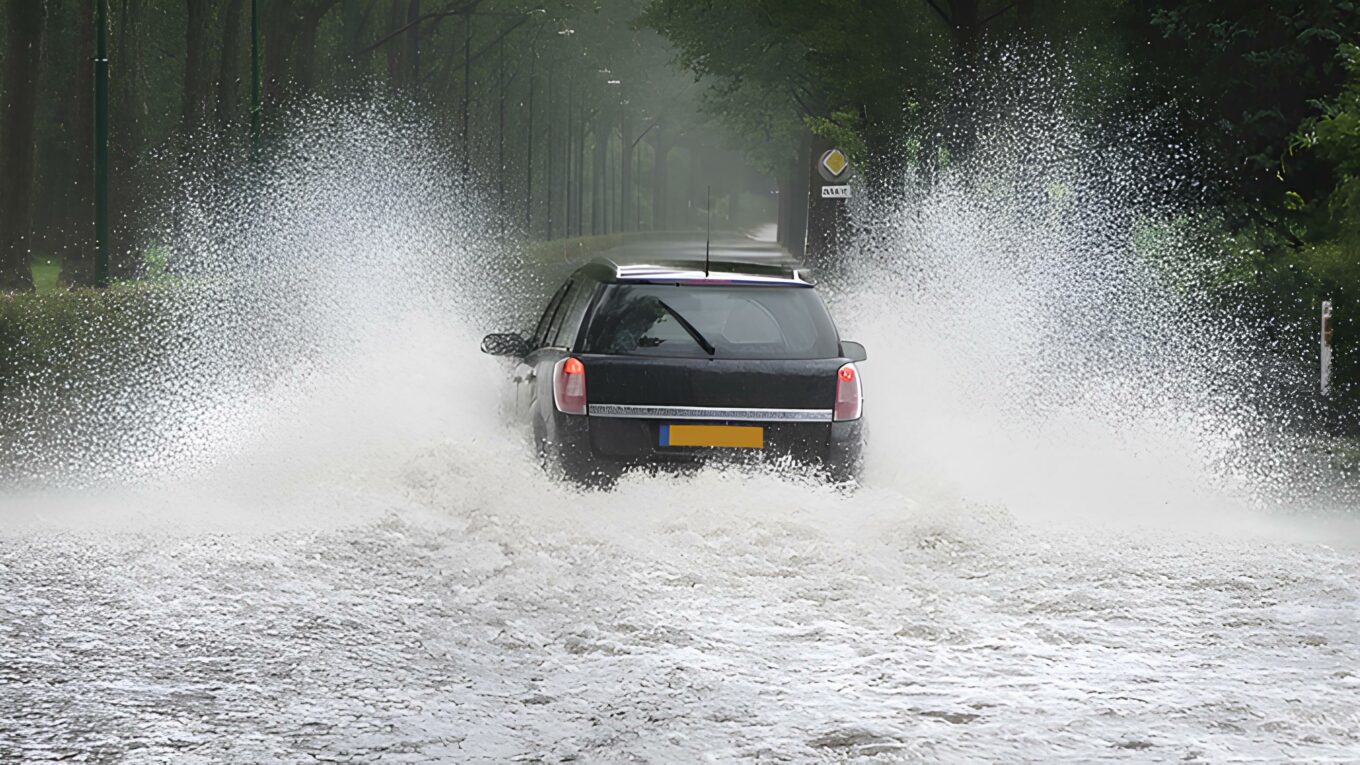
Flooding from heavy rainfall is becoming more common and poses an increasing threat to our living environment. Green roofs help capture and store rainwater and release it in a controlled manner. This reduces the risk of flooding in homes, gardens, and basements. Moreover, green roofs ensure an even distribution of rainwater and lower pressure on sewer systems—making them one of the most effective solutions for urban water management.