- Future proof
- Knowledge
Multifunctional roofs: which type of roof suits your project best?
The latest IPCC report on climate change illustrates the critical importance of enacting significant alterations in climate policy before it becomes too late. Governments are informing us about the severity of the situation and have committed to achieving net zero emissions by 2050. However, some city leaders believe their governments are acting too slowly and are therefore establishing their own, more ambitious climate plans. Other cities have been implementing changes for several years now and are motivating additional cities to follow suit. In this article, we are presenting you with some effective and inspiring examples of green initiatives these cities have decided to adopt and what tips and inspiration your city might be able to derive from them.
“We, the cities, cannot afford to wait and see whether [national] proposals are ambitious enough. The future of the fight against climate change is being played out in our streets and squares. We are where most of the population lives, the people most responsible for greenhouse gas emissions and the main focus of innovation. If we want things to change, we have to start by changing ourselves. That will only be possible if we all take joint responsibility: citizens, companies, associations, and authorities.” – Ada Colau Ballano, Mayor of Barcelona
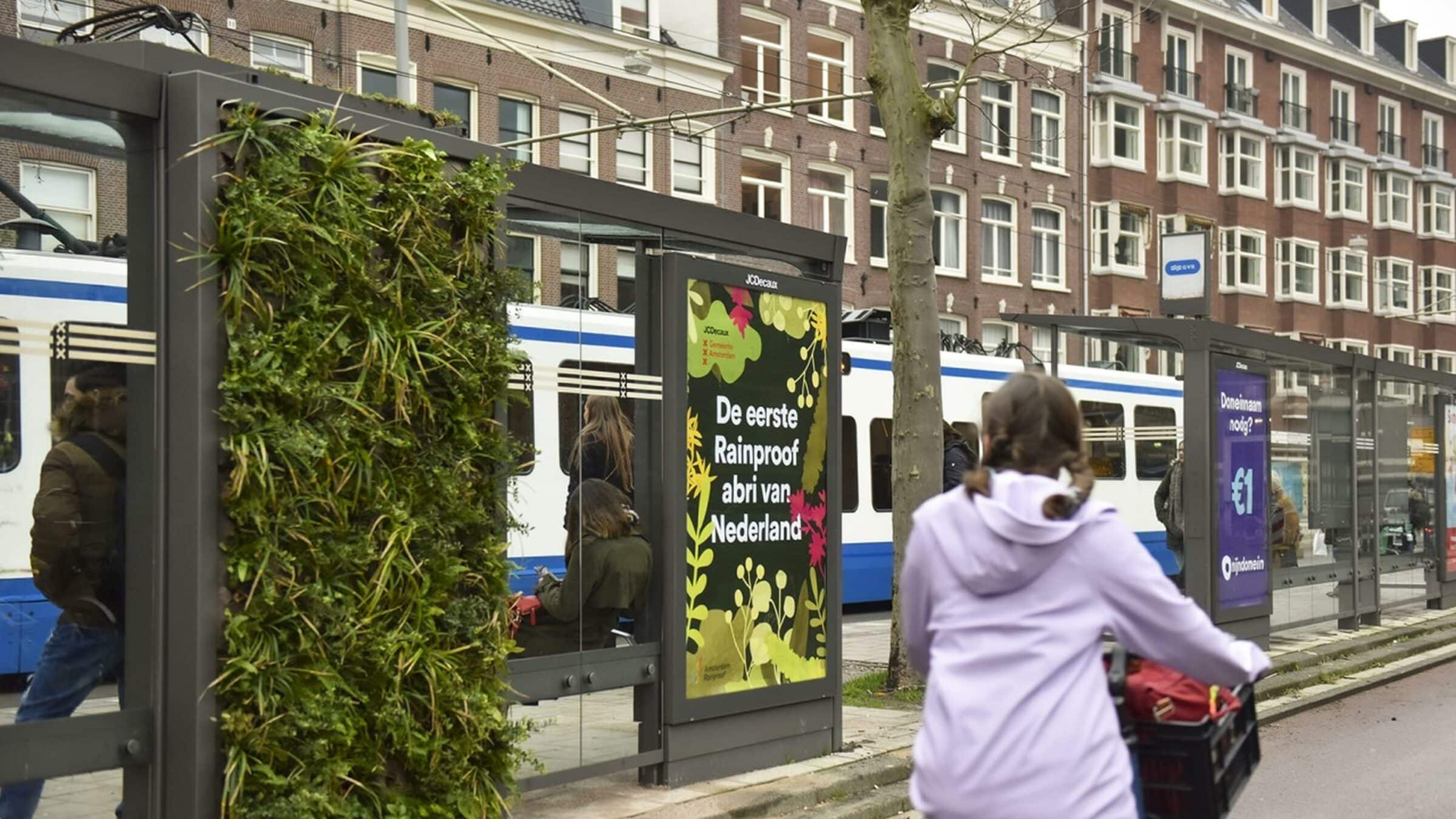
Even before Barcelona’s inclusive Climate Plan 2018-2030 the Spanish city took serious steps for ambitious changes through the Citizen Commitment to Sustainability collective document, which was signed by more than 800 organizations in 2012. Barcelona worked with 141 of those signatories to define the Commitment to the Climate, a city roadmap on climate change, consisting of collaborative projects for 2015-2017. One of the results is the Superblocks Project that started in 2016.
The idea of superblocks (similar to 15-minute cities) is quite simple: you take nine housing blocks and turn them into one big block by keeping out car traffic above 10 kilometers an hour and reclaiming the space for pedestrians and cyclists. This way the former streets are turned into communal spaces the local residents can fully enjoy. In addition to that benefit, superblocks reduce air pollution, the urban heat island effect, and improve the biodiversity in the area. At the moment of writing this article there are 6 finished superblocks, but Barcelona wants to eventually realize more than 500 of them.
Accept marketing cookies to view this video.
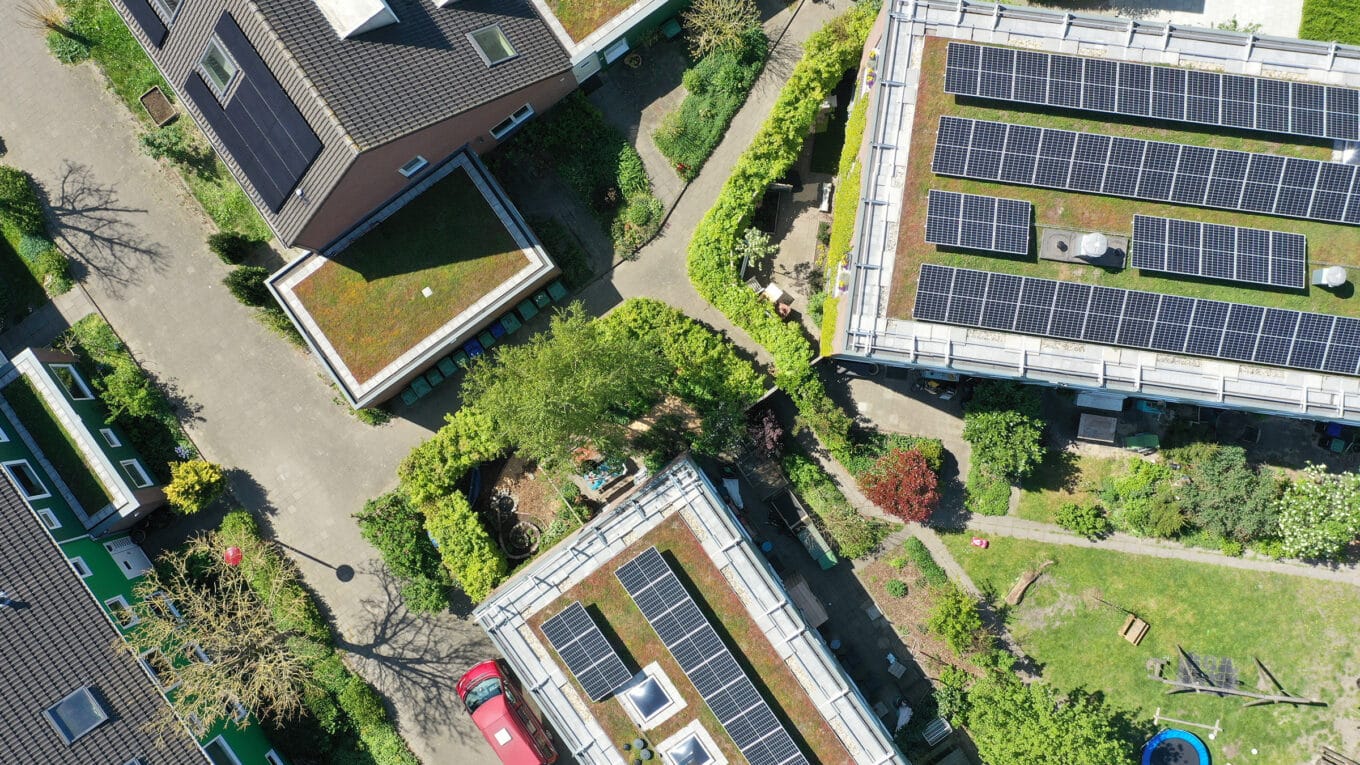
The city of Basel (Switzerland) is very clear about green roofs. Since 2002, under the Building and Construction Law every new and retrofitted building with a flat roof is required to have a green roof. The results are clearly visible in satellite images. With this legislation, the city aims to lower temperatures, save energy, and preserve local biodiversity. In Basel, the estimated number of days with a temperature above 86 °F will increase from 10.5 (1981-2010) to 24.7 by 2035, making this initiative undoubtedly a wise decision. In addition to making the city more livable during heatwaves and enhancing local biodiversity, green roofs contribute to reducing air pollution, greenhouse gases, and flooding.
While most countries and cities have set their net-zero emissions goals for 2050, Bristol (UK) goes a step further by setting theirs for 2030, along with several other ambitious targets. In 2018, the city council declared a climate emergency and immediately began taking appropriate action. Together with Bristol Energy, the city has organized the City Leap project, which aims to deliver a net-zero carbon energy system by the end of this decade. The city also intends to take all possible steps to divest its city assets from fossil fuel companies. Having also declared an ecological emergency, Bristol aims to double the local wildlife by 2030.
And, remarkably, in 2018/2019 Bristol reduced 77% of its carbon emissions [pdf] compared to 2005 with its activities, making net-zero by 2030 seem more realistic by the minute.
In addition to making existing cities more sustainable, entire eco-cities, districts, or villages are being constructed. One such eco-district is The Sustainable City in Dubai, United Arab Emirates. This 114-acre sustainable urban development project was completed in 2015 and consists of 500 villas and 89 apartments. The villas are not inexpensive, but the residents save significantly on energy and water, while enjoying many benefits that The Sustainable City offers.
Drawing inspiration from other green projects worldwide, The Sustainable City was designed with environmental, economic, and social sustainability in mind. The parking lots and buildings are equipped with solar panels, which supply 60% of the needed energy. The waste system ensures that 100% of waste and water is recycled. The area is a car-free zone, promoting walking and biking. A park with 11 biodome greenhouses, covering over 32,000 square feet for urban farming, runs through the center of the district. One way the social aspect is addressed is through the construction of Sanad Village, which is specifically designed for individuals on the autism spectrum and their families.
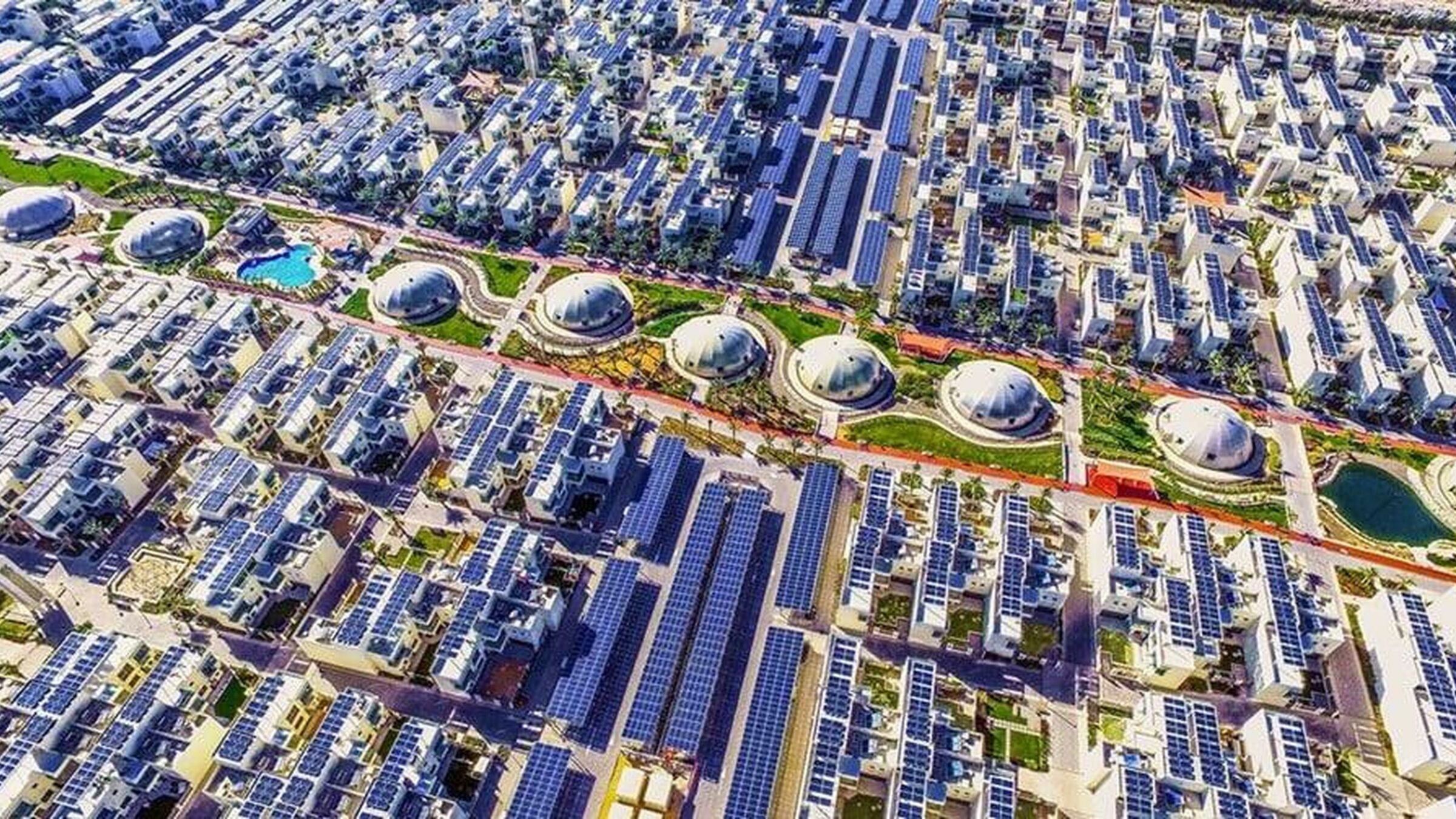
Helicopter view of The Sustainable City in Dubai – source
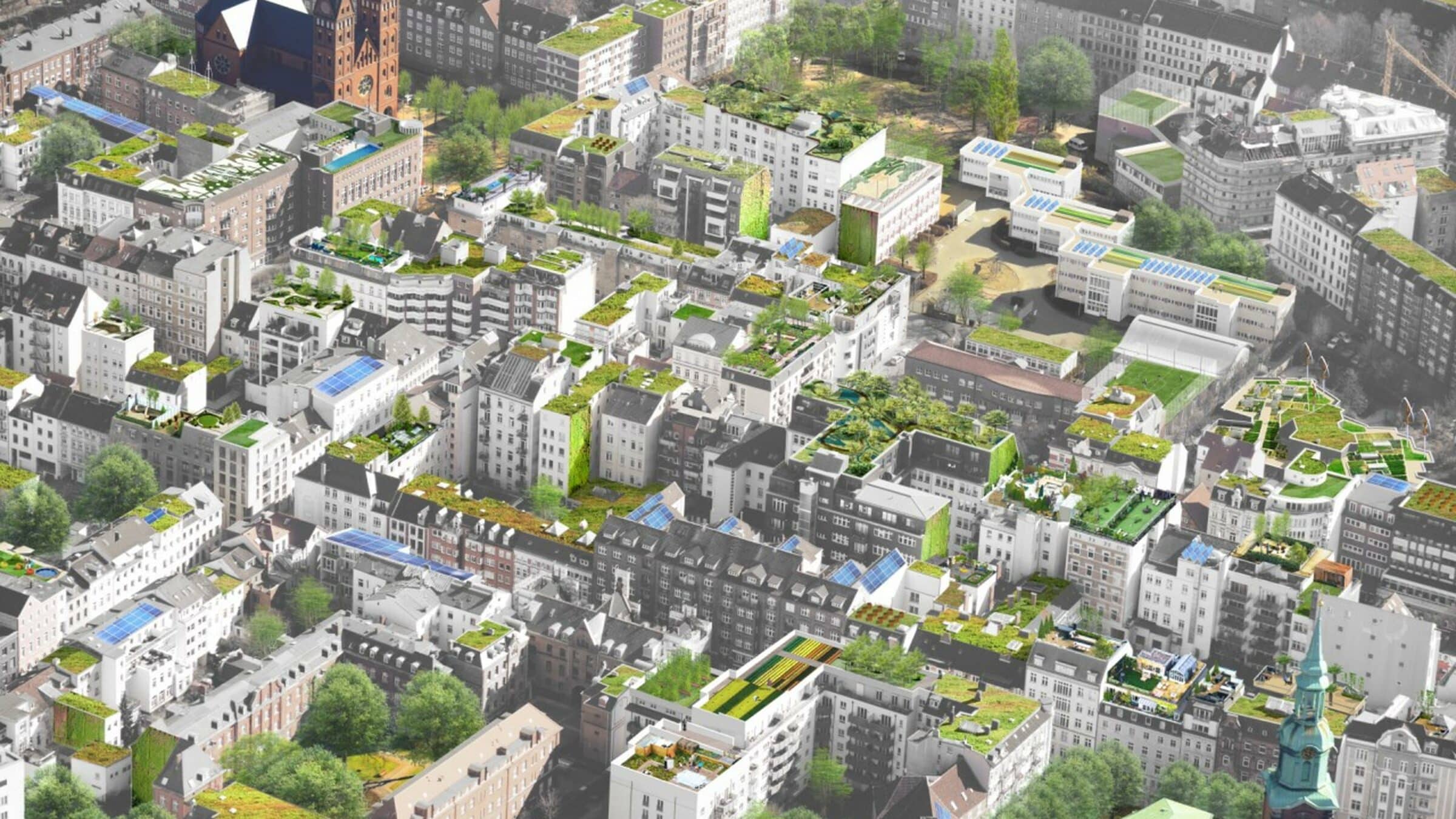
Hamburg (Germany) is diligently working towards becoming a sustainable, climate-adaptive city. A primary focus of its green initiatives has been flood prevention for some time. To combat this specific consequence of climate change, the city has implemented the RainInfraStructure Adaptation strategy (RISA). Through this strategy, local government officials collaborate closely with businesses and scientists to devise sustainable and future-proof rainwater management solutions.
Are you interested in learning more about flood protection measures that your city can implement? (Re)watch our webinar Innovation for future-proof cities
Essentially, the city must transform into a sponge, ensuring that vast quantities of rainwater are not immediately lost to the sewer system, but are temporarily retained and eventually released through evaporation or controlled discharge. One method Hamburg is employing to achieve this is through its Green Roof Strategy. Green roofs serve as water buffers, absorbing rainwater and delaying its flow into the sewage system. Since the strategy’s implementation, the city has already established over 140 hectares of green roofs and aims to install at least 100 more. Through at least 2025, the city is offering subsidies for the installation of green roofs, providing owners with up to 100,000 Euros for the greening of their roofs, ensuring the continuation of this incentive.
Helsingborg has been ranked as the number one Swedish municipality in sustainability for four years in a row. Not surprising, as in the run-up to its city expo H22 Helsingborg, together with businesses, organizations and people from its community, has initiated 200 innovative projects. One of these projects is the new circular three pipe sewer system which has already been implemented in 2000 homes in the recently built sustainable Oceanhamnen district in Helsingborg.
With this system organic waste and wastewater is sorted at the source, using three sewage pipes instead of one. One pipe transports blackwater from the (vacuum) toilet, one transports greywater from bath, shower, and washing machine, and finally a special pipe that collects food waste via a kitchen waste grinder. All this waste is transported to a new waste treatment plant where it is turned into biogas, which fuels the local buses, fertilizer pellets, and clean water. This way the plant makes the most efficient use of the waste and, at the same time, reduces greenhouse emissions by over 50% compared to the traditional system.
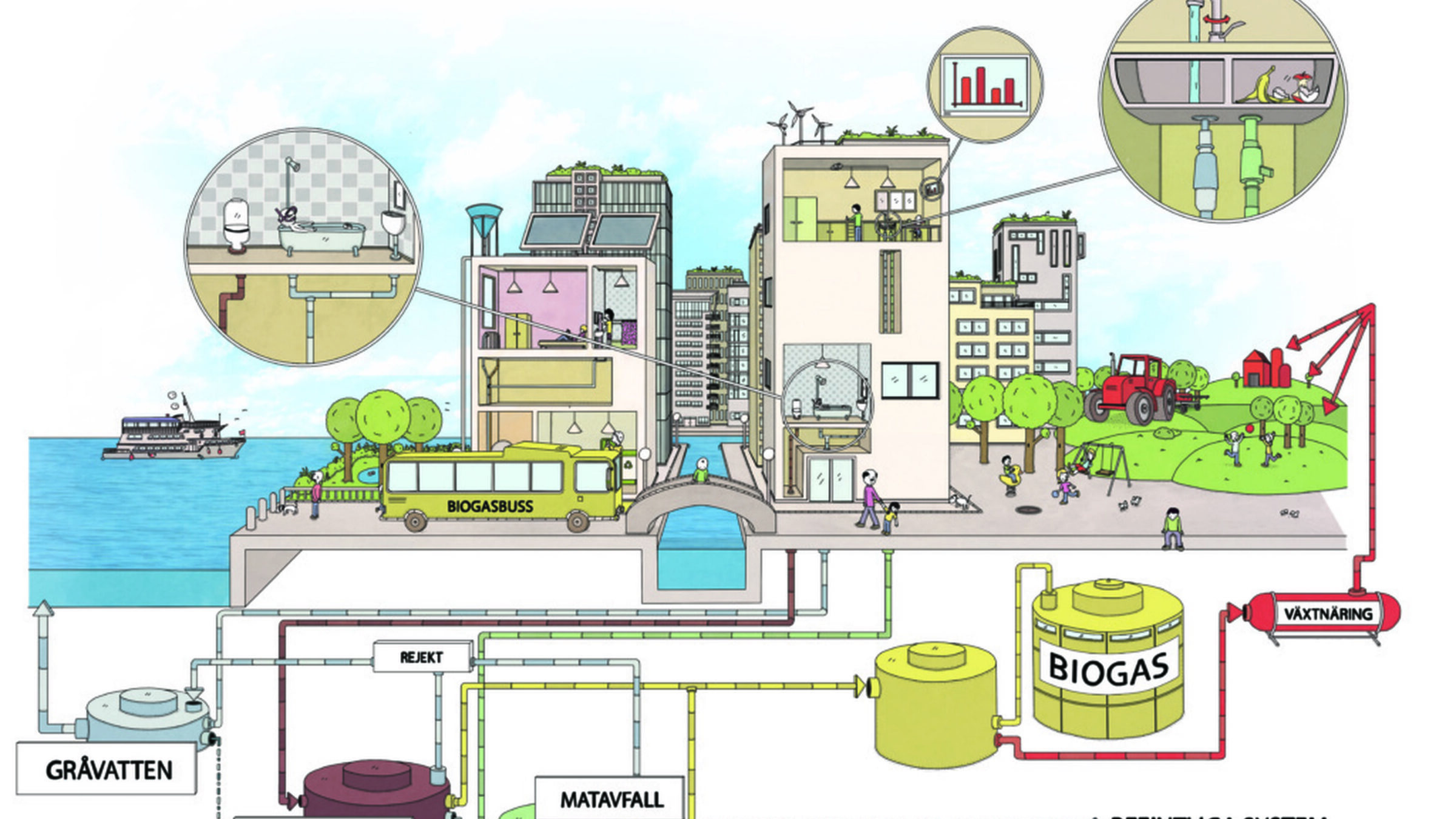
This is how the new 3-pipe sewage system in Helsingborg works – source
After overcoming its notorious reputation as one of the most dangerous cities in the world through social advancements, Medellín (Colombia) now aims to transform into an eco-city. The city has already incorporated 69 electric buses and boasts an extensive network of bike lanes. Another notable sustainable initiative undertaken by Medellín is the establishment of 30 green corridors throughout the city.
For this initiative, Medellín focused on the most polluted streets and areas. The rationale is that the more polluted an area, the greater the environmental benefit following the implementation of green strategies. Since their inception in 2016, the corridors have yielded positive outcomes. The city has become more habitable. The urban heat island effect has been reduced by 2°C, and a single corridor is estimated to absorb 160,787 kg of CO2 annually during the initial phase of the plants’ lives. Moreover, to install and maintain the green corridors, 75 local residents from less advantaged backgrounds were trained as city gardeners and planting technicians, securing them full-time employment.
Accept marketing cookies to view this video.
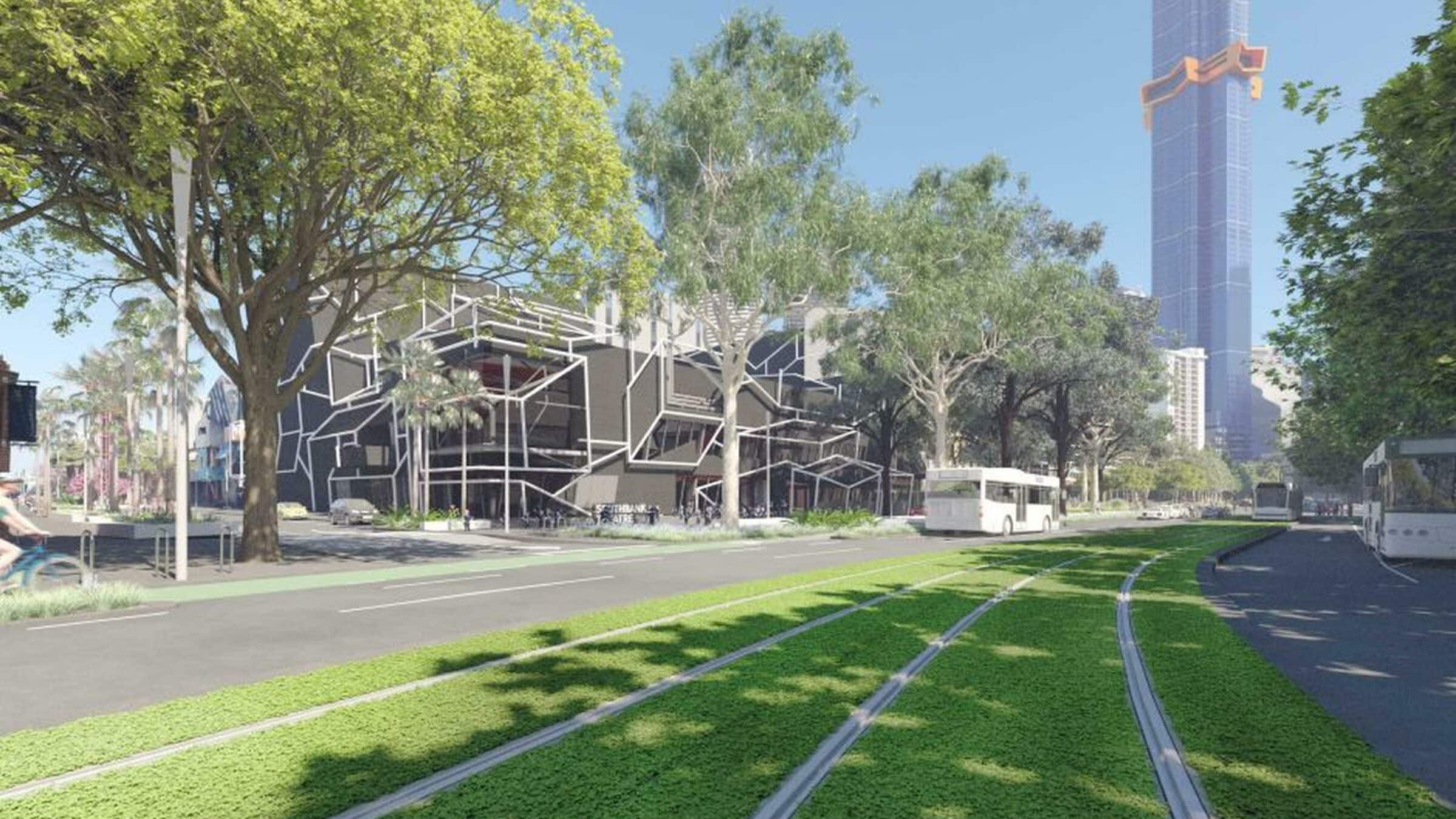
According to Plan Melbourne 2017-2050, Melbourne (Australia) aims to become a sustainable and resilient city. A key initiative in this plan is the mitigation of the Urban Heat Island effect through the greening of urban areas such as buildings, transport corridors, and the creation of additional open spaces for forestation. This effort will not only reduce the city’s temperature but also enhance water retention, which is beneficial during drought conditions.
To accomplish this, Melbourne plans to establish five new regional parks and four new conservation reserves in the Metropolitan urban area, increasing the total number from 4 to 13. The distribution of open spaces must be equitable and address the needs of all community members. Furthermore, the local government is exploring options for greening through landscaping, green roofs, and green walls to raise the percentage of permeable site areas in developments. Individuals interested in initiating a greening project can apply for a greening grant through Melbourne’s Urban Forest Fund.
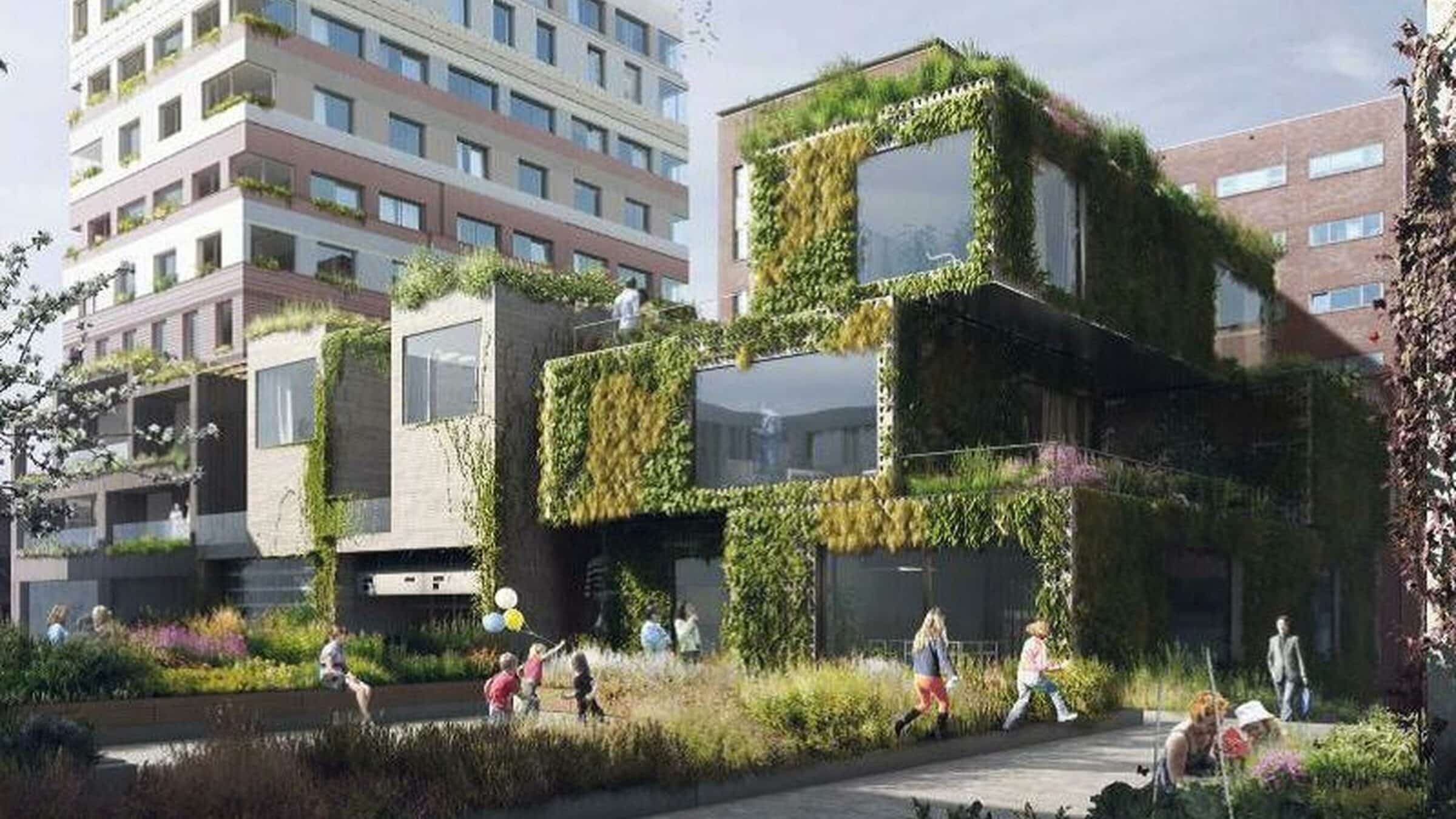
In 2019, The Hague became the first city in the Netherlands to introduce a point system to encourage the construction of green and nature-inclusive buildings. Architects and developers are mandated by the municipality to incorporate greenery and nature into their building designs. This is achieved through a point system. Each building project must accumulate a certain number of green points. Developers can select from a list of measures they can implement. This list also shows how many points each measure is worth. For instance, a biodiverse green roof earns you 3 points, a green facade 2 points, and a birdhouse 1 point. The larger or more complex the green initiatives, the quicker your project accumulates all the necessary points. Alternatively, you can opt for numerous smaller measures to gather points in that manner. Homeowners can also use the point list as inspiration to add green features to their homes.
The Hague is embarking on its journey to become a green city. The green points system is an effective method to promote the construction of nature-inclusive and climate-adaptive buildings, aligning with the climate goals set for 2030 and 2050.
Washington is one of the most sustainable cities in the USA. It was the first city in the world to receive a platinum LEED certification for cities. For example, the Department of Energy & Environment provides financial incentives through the RiverSmart program for property owners who install green roofs, rain gardens, and other green infrastructure to help reduce stormwater runoff.
But another important sustainable aspect the city is working on is the food. As one of its goals, DC wants to make healthy, fresh food available and affordable for all District residents, so that it helps improve their health and well-being. Because of this, more and more residents in the area get their food from urban farms and community gardens, making healthy and fresh food more readily available. Not only individual residents but also restaurants and hotels think that sustainability is an important aspect of their cuisine, and acquire their mostly ecological ingredients from local farms. This way DC residents don’t only get fed, but can also enjoy healthy, locally sourced food.
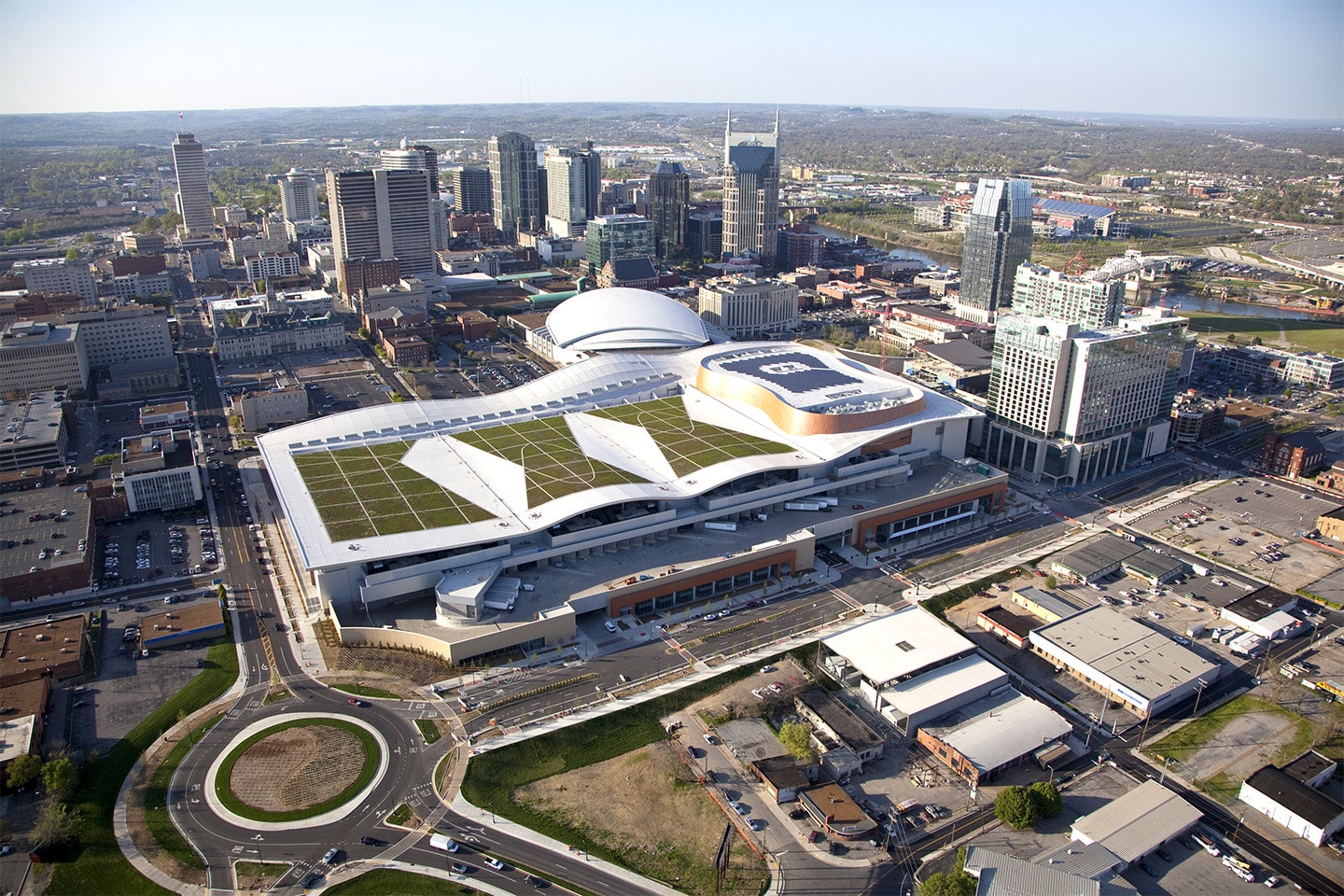
As you can see, there are a lot of different ways in which you can make your city sustainable and green. Urban greening by adding green roofs, living walls, and green spaces can make a huge impact on the city. It counters a lot of negative effects of climate change – such as urban heating and flooding – purifies the air, and improves the health and well-being of your residents. To stimulate green infrastructure and nature-inclusive buildings, point systems could be a good way to encourage architects and developers to start designing with nature in mind.
These measures can go hand in hand with other effective ways of sustainable urban planning, such as introducing superblocks, green transport, and car-free zones, turning your back on fossil fuels, and recycling 100% of your city’s waste and water. These are just a handful of future green cities from across the world that had wonderful ideas which have been proven effective or are being tested as we speak. Just imagine what would happen if you combine these solutions and many other green ideas into the sustainability plan for your city. Maybe then your city will become one of the world’s greenest cities.
Ready to make a difference? At Sempergreen, we believe in building a greener future, one step at a time. Our innovative solutions are designed to help you decrease your footprint and contribute to a more sustainable world. Join us in replanting the planet!