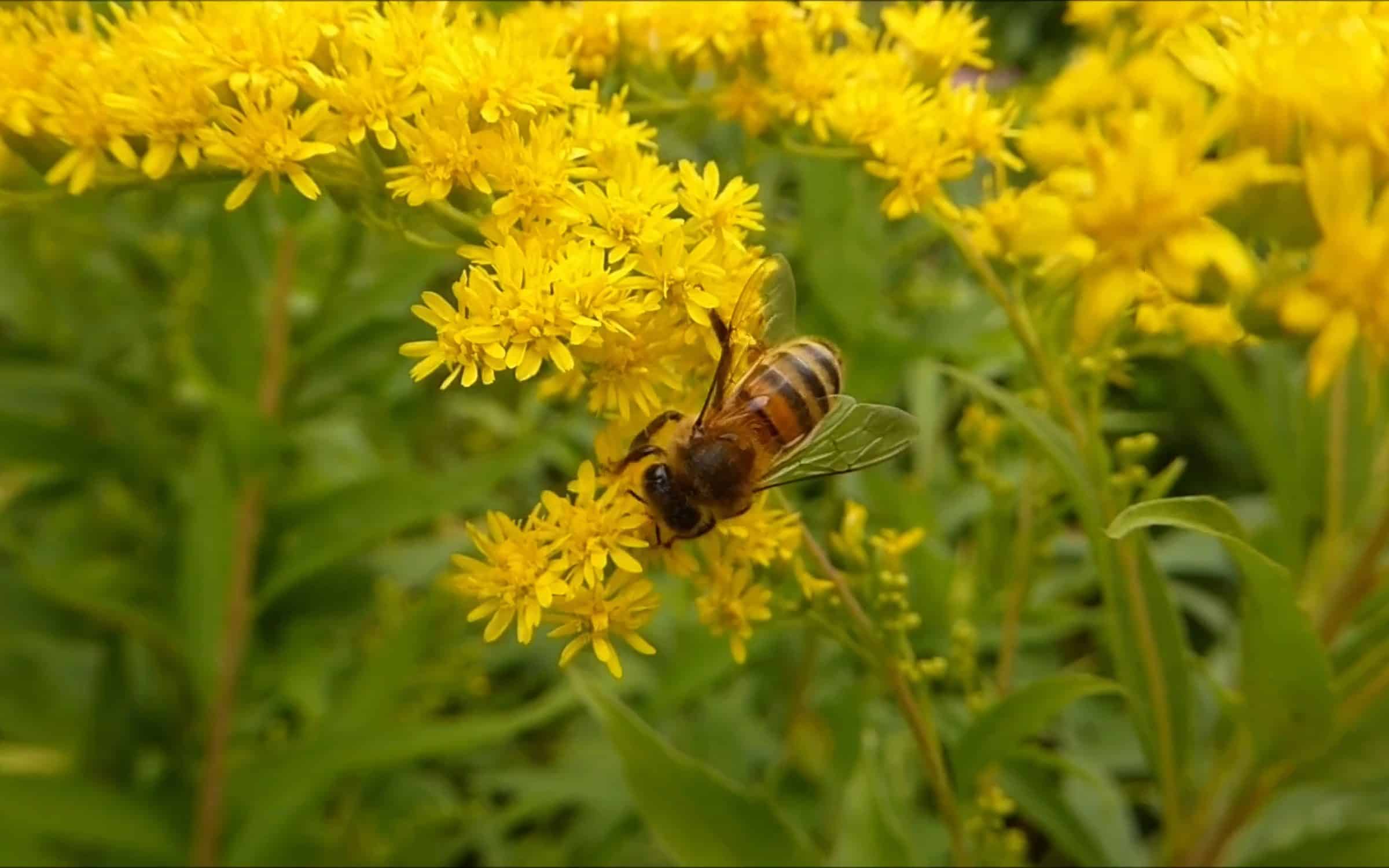
The Added Value of a Biodiversity Package on a Sedum Roof
Biodiversity is in poor condition all over the world. At this point in time, approximately 1 million animal and plant species are threatened with extinction. Many will die out within decades, more than ever before in human history. This will have a significant impact on all our lives. One of the solutions to improve biodiversity is the installation of green roofs in urban environments and intensively used agricultural areas.
The green roof: a favorable living environment
Green roofs are always better for the local biodiversity, compared to a gray roof. Especially within urban and agricultural areas, a green roof provides a favorable living environment for animals such as birds, butterflies, and bees. Here they find food and/or reproduction opportunities that are otherwise not available in the immediate vicinity.
Sempergreen’s biodiverse roofs
Sempergreen supplies green roofs with various types of plantings: Sedum roofs and biodiverse roofs. A biodiverse roof consists of a drainage layer, roof garden substrate, and a vegetation blanket planted with wildflowers or host and nectar plants. The roof garden substrate in this green roof structure is 15 centimeters (6 inches) thick, so that caterpillars and other insects have sufficient space to pupate.
View system structure biodiverse roof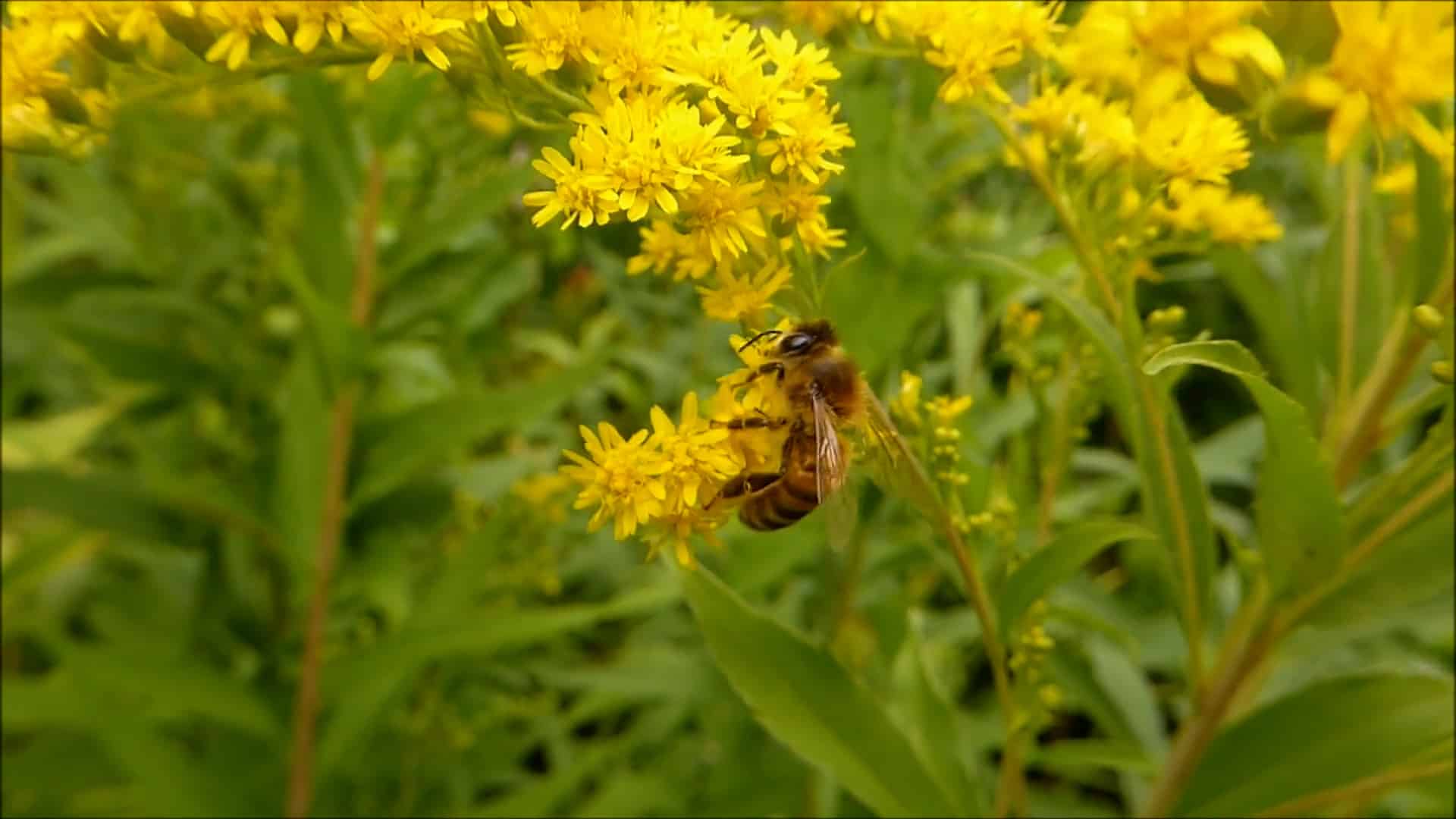
Biodiverse roof with host and nectar plants
Biodiversity on a Sedum Roof
Due to their thicker substrate layer, biodiverse roofs are quite heavy (220-225 kg/m2 when water-saturated) and are not suitable for every roof. If your roof cannot support this weight and you would still like it to contribute to biodiversity, you may consider a lightweight Sedum roof combined with a Sempergreen Biodiversity Package. The compact size of the Biodiversity Package does not negatively affect the structure and significantly enhances the living environment for birds, bees, butterflies, and other insects.
Download Fact Sheet Download Construction Guidelines
The Importance of Green Roofs for Biodiversity
In 2015, Sempergreen conducted research on biodiversity on green roofs in cooperation with the Dutch Butterfly Conservation. This research demonstrated that Sempergreen’s Sedum roofs can significantly contribute to biodiversity: they are a source of nectar for insects from May to September. Conversely, Sedum only requires a thin layer of roof garden substrate or, in the case of a lightweight green roof, a layer of mineral wool. Consequently, insects are unable to pupate in the substrate layer. However, with the addition of a biodiversity package, it becomes possible for the entire life cycle of butterflies and other insects to occur on a Sedum roof.
Read more about biodiversity and green roofs in the white paper ‘Building for Biodiversity’.
Download White Paper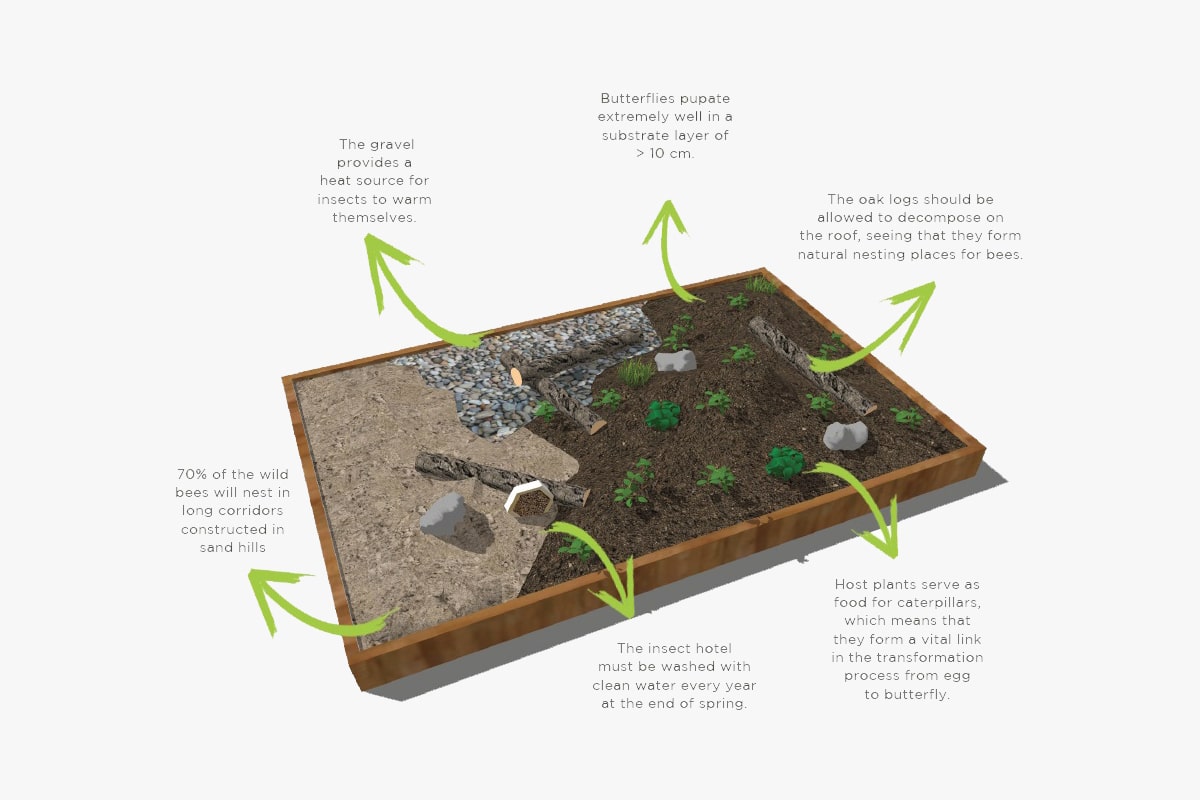
The added value of a Sempergreen Biodiversity Package on a Sedum roof
Increase the ecological value of a Sedum roof with a Biodiversity Package
The Sempergreen Biodiversity Package has been compiled in cooperation with the Dutch Butterfly Conservation. With the addition of a Biodiversity Package, a Sedum roof not only provides nectar but also nesting opportunities, shelter, and food for bees, butterflies, and other insects. The Biodiversity Package includes sand in which bees can dig burrows, a thick layer of substrate for pupation, oak tree trunks, and an insect hotel in which insects can lay their eggs or hibernate. In addition, the package also contains host plants so that butterflies can lay their eggs on the green roof, and caterpillars can subsequently survive there. In short, the ideal package for promoting biodiversity on a Sedum roof.